New Driveways in Ashburton: What Works for a South Devon Market Town Property
Ashburton is a compact market town on the southern edge of Dartmoor National Park, and its residential character is different from the larger Devon coastal towns. The housing is a mixture of older stone-fronted town properties in the historic centre, Victorian terrace housing in the surrounding streets, and more modern estates towards the edges of the town. New driveway installations in Ashburton require careful thought about both the physical conditions and the planning context: the town sits on the edge of the National Park, parts of the historic centre are conservation area, and the Devon climate - particularly the higher rainfall and temperature range that comes with proximity to Dartmoor - creates specific demands on any surface material. Devon receives an average of around 1,000mm of rainfall per year, with Ashburton's location near the Dart catchment making it one of the wetter market towns in the county. A driveway surface that can't handle sustained Devon rain without waterlogging or surface damage is the wrong choice from the start.
What Driveway Options Work in Ashburton
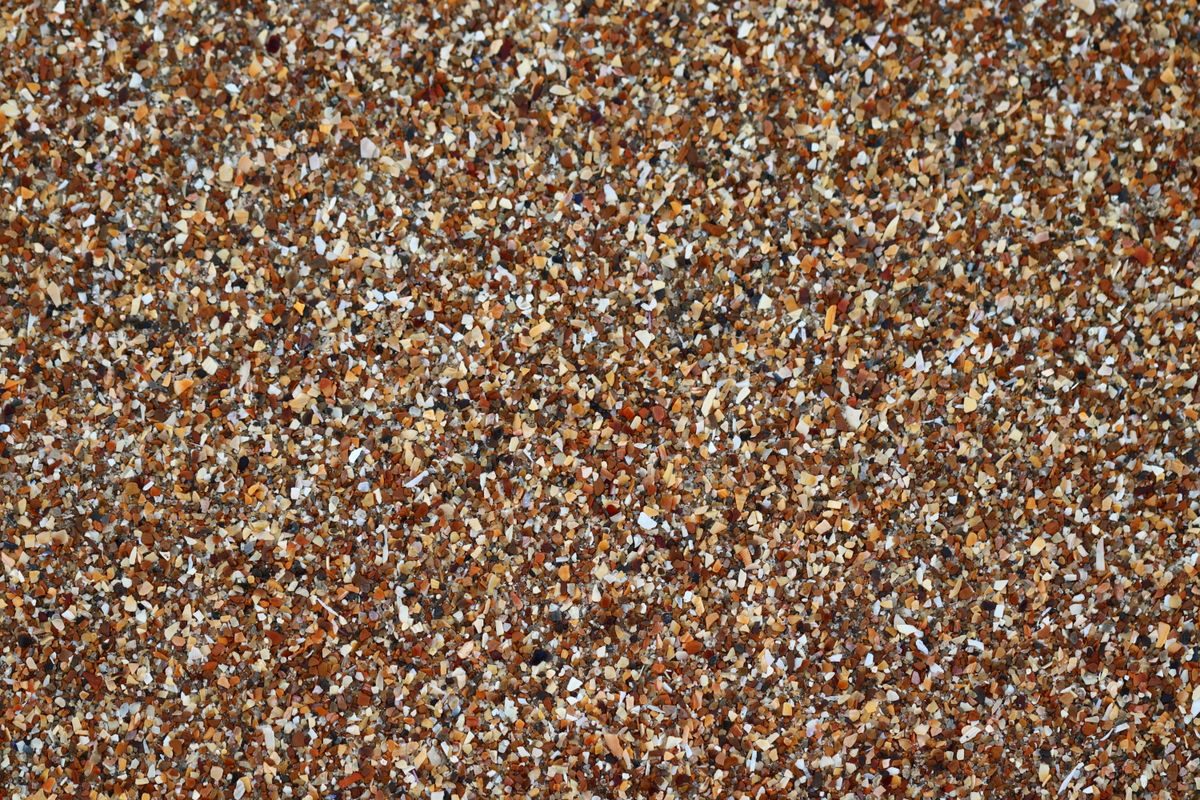
Resin bound aggregate is the dominant choice for new driveways across Ashburton and the wider Dartmoor fringe area. The reasons are practical: it's genuinely permeable, satisfying planning requirements for front garden surfaces without additional drainage works; it handles Devon's rainfall well; it's low maintenance; and the range of natural stone aggregates suits the landscape and architectural character of both the historic core and the surrounding residential streets.
Block paving remains popular, particularly for more traditional property styles where the joint pattern is considered more sympathetic to the architecture. It works well on level or gently sloped Ashburton plots, though steep driveways require careful attention to drainage. Block paving is impermeable in its standard form, which means drainage solutions are needed for front garden installations.
Granite setts suit the vernacular architecture of Ashburton's historic centre well. Granite is quarried locally on Dartmoor and sett paving using Dartmoor stone has a long tradition in this part of Devon. More expensive than most alternatives, but the right choice for period town properties in conservation-sensitive settings.
Tarmac remains the lowest cost option for a sound all-weather surface. Impermeable and relatively featureless visually, but durable. In rural and edge-of-town locations where appearance is less critical, it remains a sensible choice.
Gravel suits properties with space for a longer, wider driveway where loose stone isn't problematic. Self-binding gravel - a compacted bound surface using gravel and fines - gives more stability than loose gravel while retaining the natural appearance.
West County Driveways installs driveways across Ashburton and the wider South Devon area, including other Dartmoor-fringe towns and villages.
Planning and Drainage Rules for Ashburton Driveways
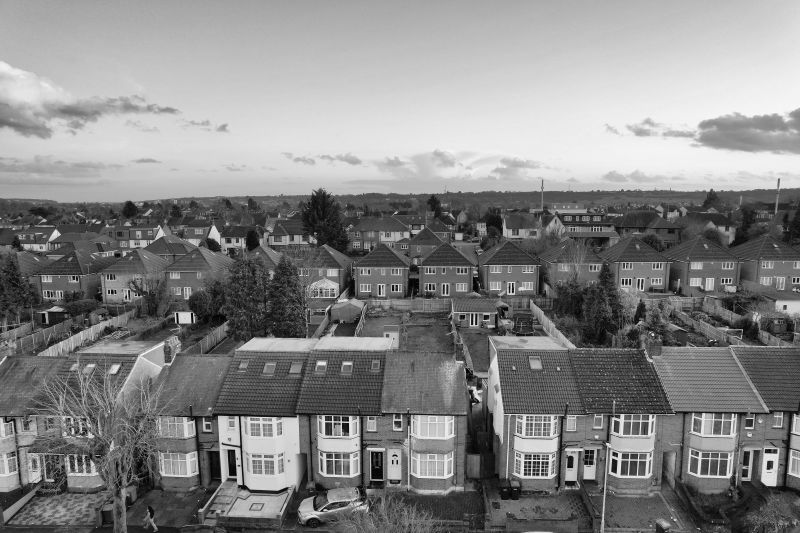
Front garden driveway surfaces are subject to planning rules that particularly matter in Ashburton's context:
The 5m² rule applies across England: any new or replacement front garden surface larger than 5m² must be permeable or direct runoff to a lawn, border, or soakaway rather than the highway. Impermeable surfaces over this size need planning permission from Teignbridge District Council.
Parts of Ashburton's historic centre are designated conservation area. While drainage and surface material choices are usually within permitted development, any works that affect the appearance of the property from the public highway may need Conservation Area Consent. Teignbridge can confirm whether your specific property requires this before starting.
Properties on the edge of or within the Dartmoor National Park boundary face additional planning considerations. The Dartmoor National Park Authority controls development within the park boundary; Teignbridge controls properties outside it. Most Ashburton residential properties fall within Teignbridge, but it's worth confirming for properties on the town fringe.
Resin bound surfacing on a permeable sub-base satisfies the 5m² drainage rule automatically, which is a practical reason for its dominance in the South Devon market. We've covered how this works in practice in our Dawlish new driveway guide, which discusses similar permeable surface rules in another Devon coastal and historic town context.
Why Base Preparation Matters More in Devon
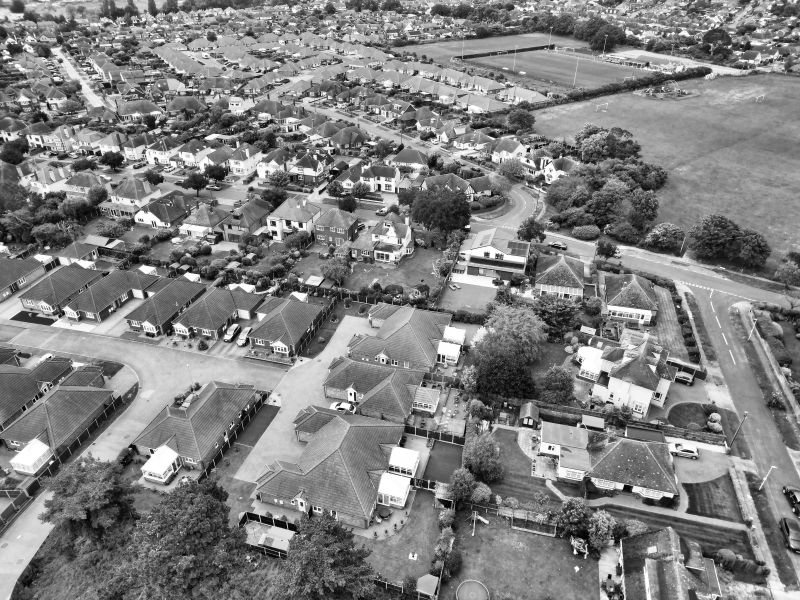
Devon's geology - particularly around Ashburton where you're transitioning from the Dartmoor granite upland to the softer sedimentary geology of the Dart valley - creates variable ground conditions across relatively small distances. Clay soils are common in the valley floor areas of the town and surrounding countryside, and clay creates specific challenges for driveway bases:
Clay expands when wet and contracts when dry, creating ground movement that translates into surface movement. A driveway base on clay without adequate drainage beneath it will heave and sink with moisture changes. The Devon wet season (October to March typically delivers the highest rainfall) means clay soils regularly reach their maximum moisture content, and a poorly based driveway shows this clearly in cracking and uneven settling.
The correct specification for clay ground in the Ashburton area is typically:
- 200-250mm of compacted MOT Type 1 sub-base, with geotextile membrane below
- SuDS-compliant drainage layer for permeable surfaces
- Or adequate channel drainage for impermeable surfaces
Cutting corners on sub-base depth is the most common cause of driveway failure in this part of Devon, and it's where the difference between a good and a poor installation is clearest 5 years after completion.
The Government's SuDS guidance is relevant reading for anyone installing a new front driveway in Ashburton and wanting to understand the drainage requirements that apply.
Choosing an Aggregate for a Resin Driveway in Ashburton
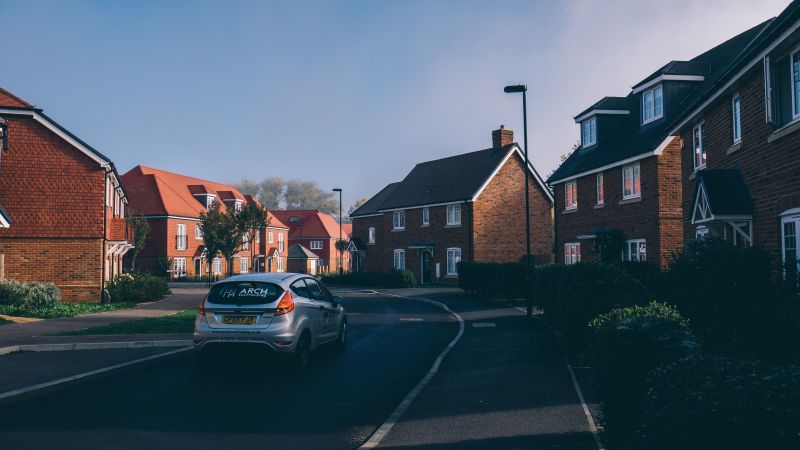
For homeowners opting for resin bound surfacing in Ashburton, aggregate selection should reflect the local architectural palette:
Warm natural tones - buff, honey, and golden aggregates - complement the local stone and render colours found across Ashburton's housing stock. These are the most common choice in this area.
Granite aggregates in grey and grey-brown tones suit properties in and around the conservation area and are available from local quarry suppliers. They reinforce the sense of local material character.
Mixed natural aggregates combining quartz and natural stone in neutral tones give a balanced, understated appearance that suits a wide range of property types.
Larger aggregate sizes (6-10mm) give a more textured, rural feel that suits Ashburton's market town character. Finer aggregates (3-5mm) give a smoother, more urban finish.
What a New Driveway Costs in Ashburton
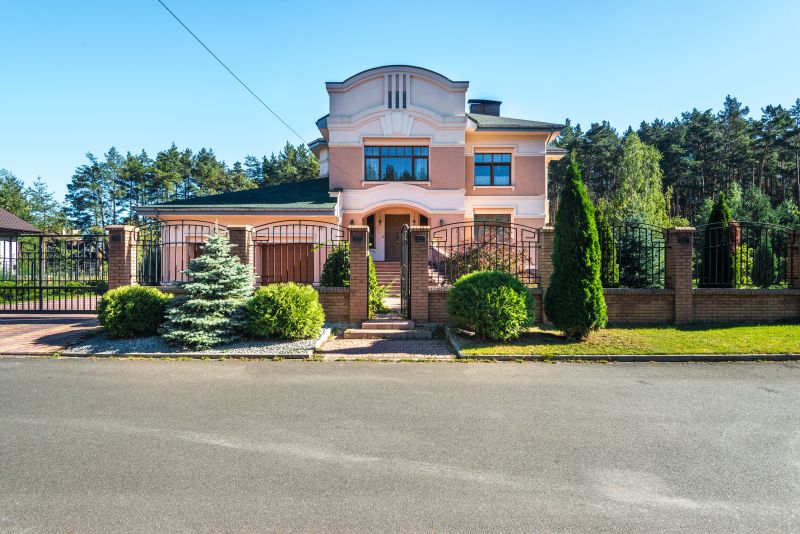
Resin bound, 20-40m², on existing sound base: £1,800 - £3,500.
Resin bound, same area, new permeable sub-base included: £2,500 - £4,500.
Block paving, 20-40m², standard residential: £2,000 - £4,000.
Granite setts, 20-40m²: £3,500 - £7,000 (higher material and labour cost than standard block).
New tarmac, 20-40m²: £1,200 - £2,500.
Channel drain installation (front garden drainage): £300 - £600.
Dropped kerb where needed: Contact Devon County Council highways for the application process. Typically £800 - £2,000 for the highway work, separate from the driveway installation cost.
Ashburton prices are broadly in line with the wider South Devon market. Access and parking for contractor vehicles varies across the town, and more constrained access can add marginally to the labour cost.
FAQ
Q: Do I need planning permission for a new driveway in Ashburton?
Front garden surfaces over 5m² need either a permeable surface or drainage to a soakaway/border rather than the highway, or they require planning permission from Teignbridge District Council. If your property is in the Ashburton conservation area, check with the council before starting work. Resin bound on a permeable sub-base satisfies the drainage requirement automatically.
Q: What's the best driveway surface for a historic Ashburton property?
Granite setts are the most authentic choice for properties in and around the conservation area. Resin bound with a local granite or natural stone aggregate is a good mid-ground that suits the character without the full cost of sett paving. Block paving works well on properties outside the historic core. Tarmac is practical but plain.
Q: How does Dartmoor's weather affect driveway choice in Ashburton?
Ashburton's proximity to Dartmoor means higher rainfall than most Devon towns, and cooler winters with more frost events than the coast. Resin bound is well-suited: it's permeable (handles the rainfall), frost-resistant when properly installed, and the aggregate holds up well in the temperature range. Block paving needs good drainage on sloped plots. Any surface needs a well-compacted sub-base to handle the Devon wet season.
Q: Can I get a dropped kerb for a new driveway in Ashburton?
Yes, but you need approval from Devon County Council's highways team for the kerb work on the public highway. This is separate from the driveway installation itself and has its own application process. Your driveway installer can advise on timing, but the highway application needs to go through the council directly.
Q: What aggregate colours work best for a resin driveway in Ashburton?
Warm buff, honey, and golden aggregates suit the local stone and render palette and are the most common choice in this area. Local granite aggregates in grey-brown tones are particularly appropriate for conservation area or character properties. Discuss with your installer and ask to see samples in outdoor conditions before deciding.
You might also like
West County Driveways