New Driveways in Dartmouth: What Works on a Coastal South Devon Property
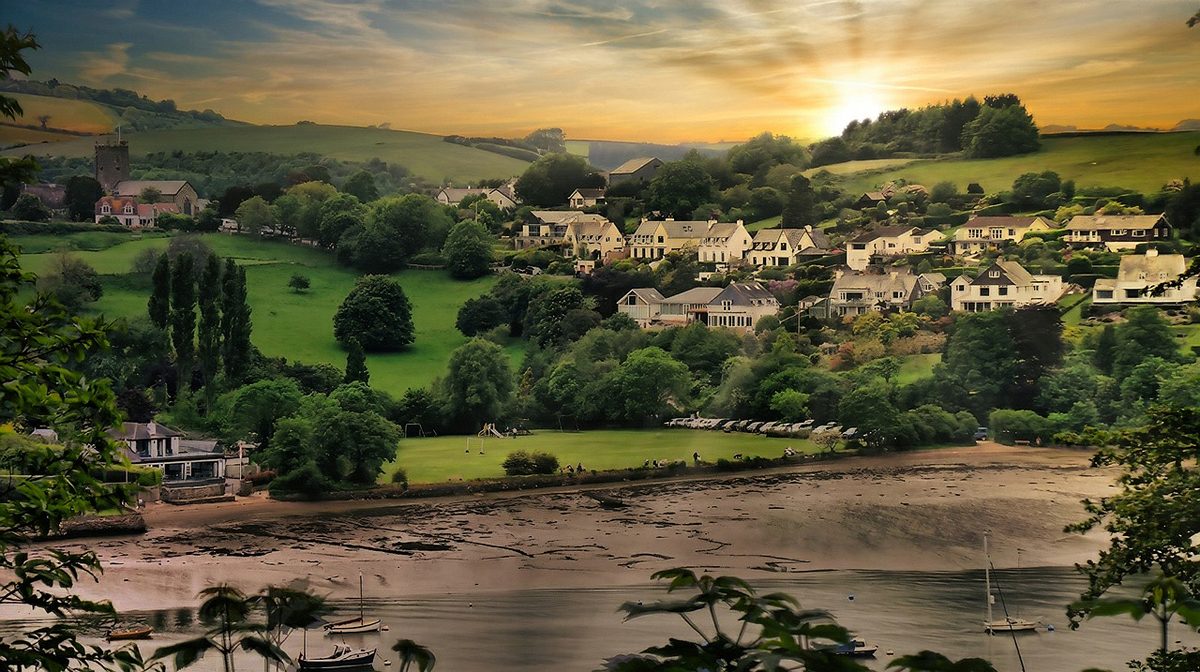
Dartmouth is one of the more demanding environments in south Devon for driveway installation. The town's position on the steep western bank of the Dart estuary means that many properties have sloped driveways - sometimes significantly sloped - that require careful design to handle drainage without washing material down towards the road or neighbouring properties. The coastal salt air adds UV exposure and moisture load. And Dartmouth's character as a protected historic town means planning considerations that don't apply in less sensitive parts of south Devon can come into play for properties near the waterfront or within the town's conservation area. Getting a driveway right here requires more thought than a standard suburban installation.
Slope: The Most Important Variable in Dartmouth
Most Dartmouth driveways have a slope - anywhere from a gentle gradient to something genuinely steep. The key questions for any surface on a sloped Dartmouth driveway are: how does water run off without channelling destructively? Does the surface provide adequate traction in wet or icy conditions? Will the sub-base remain stable on a gradient?
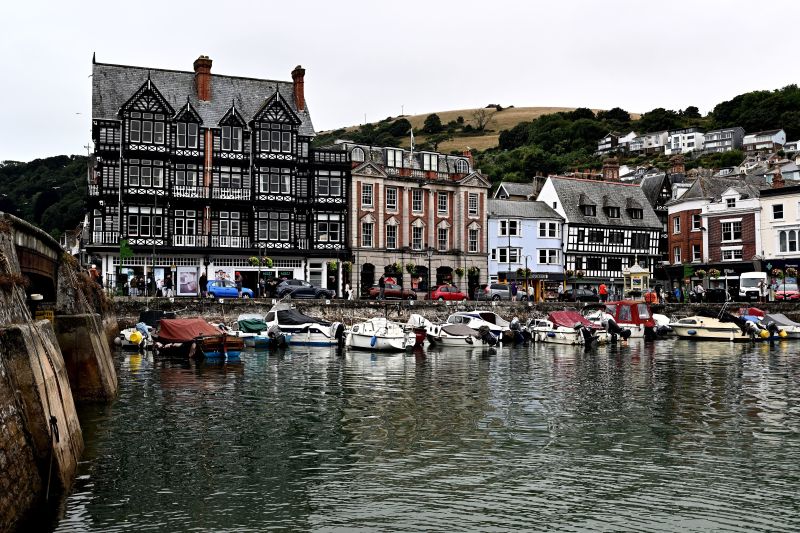
Steep driveways (above roughly 1:8 gradient) present specific challenges for all surface types. Block paving on a significant slope requires careful attention to the bedding sand specification and edge restraints - both to prevent blocks moving over time and to prevent bedding sand washing down the slope. Tarmac is typically the most stable option on steep gradients because it's a continuous bonded surface with no joints or loose material. Resin-bound surfacing on a steep slope is viable but needs a textured aggregate specification for grip and a properly bonded base.
Resin, Tarmac, and Block Paving on Dartmouth Driveways
West County Driveways installs driveways across Dartmouth and the south Devon area, and the surface choice recommendations depend on the specific property characteristics.
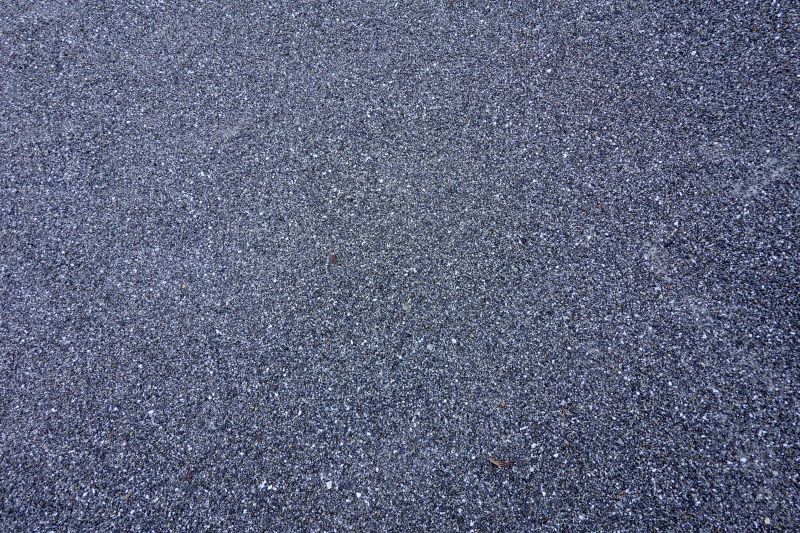
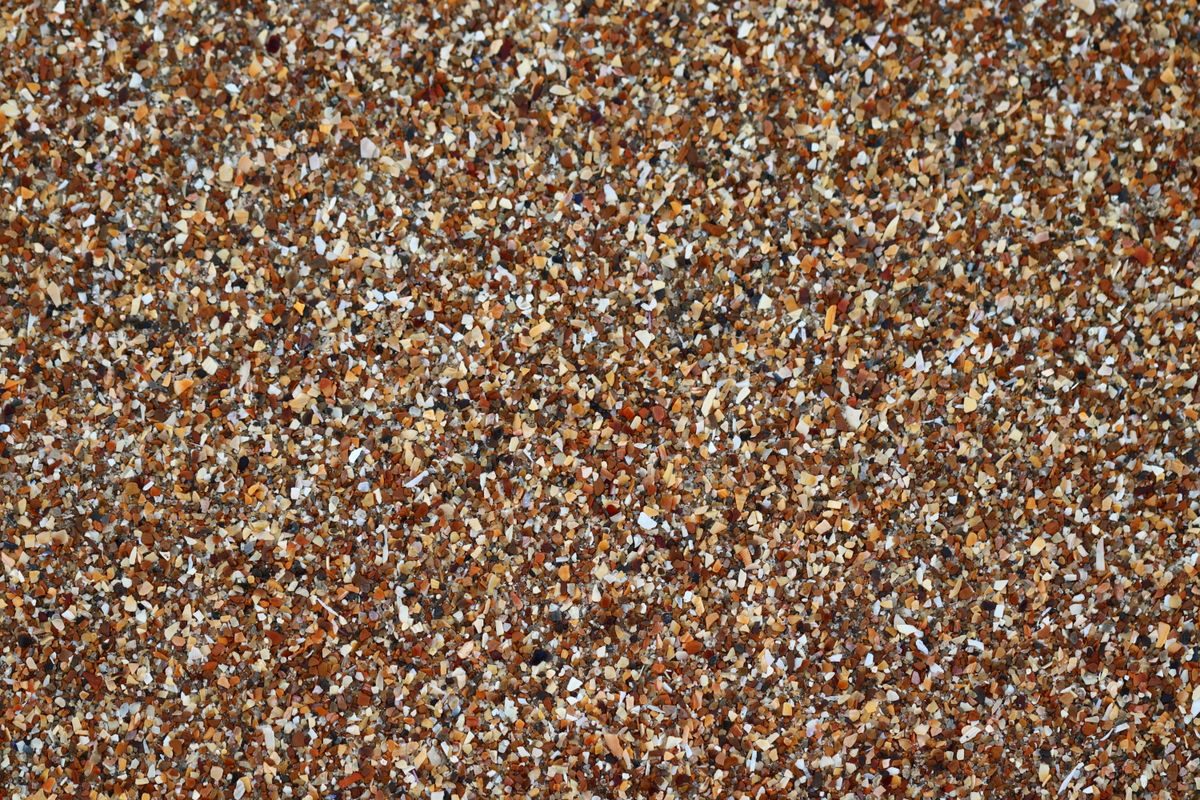
Resin-bound surfacing works well on Dartmouth driveways where the gradient is moderate (up to roughly 1:10) and where the permeable nature of the surface suits the drainage context. For sloped coastal driveways, a coarser aggregate (3-6mm) gives better traction than fine aggregate.
Tarmac is the most robust choice for steeper Dartmouth driveways. It's continuous and bonded, handles gradient without the block migration risk of paving, and can be graded to direct surface water to the side channels. The limitation is appearance - tarmac is functional but doesn't suit all Dartmouth property styles.
Block paving on flatter Dartmouth driveways looks excellent and suits the character of older properties. On steeper gradients, it requires more careful engineering and maintenance attention over time.
Conservation Area and Planning Considerations in Dartmouth
Dartmouth town centre and much of the immediate waterfront area falls within a conservation area where changes to the character of properties can require planning permission even if they'd be permitted development elsewhere. Replacing a traditional gravel or stone driveway with tarmac or block paving might require consent; using materials that are in keeping with the character of the conservation area (traditional gravel, buff or natural stone aggregate resin) may be more straightforward.
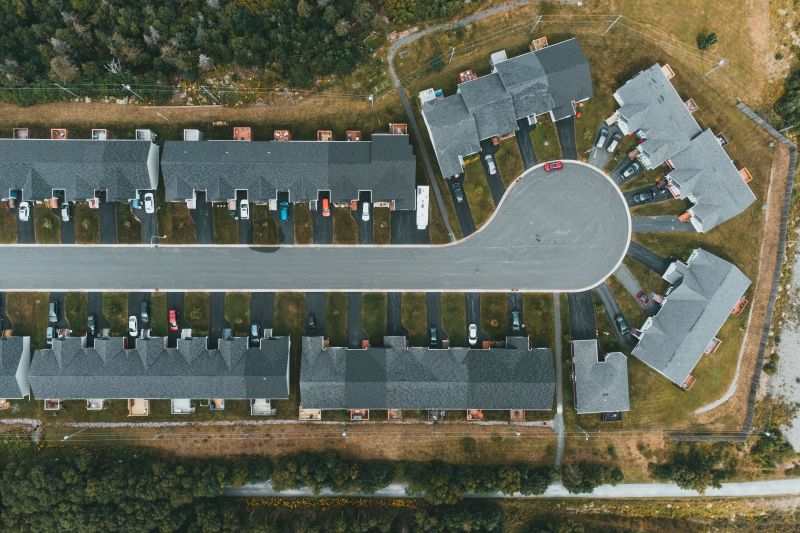
Before committing to a surface choice on a Dartmouth property in or near the conservation area, it's worth a quick conversation with South Hams District Council's planning team. The permitted development position for front driveways also applies (permeable surfaces generally exempt), but conservation area Article 4 directives can remove these standard permitted development rights.
We've covered how to handle sloped driveways across south Devon and Dartmouth presents similar challenges to Totnes - steeply terraced streets with varied frontage widths and properties at different levels to the road.
What Drainage Needs Thinking About
Dartmouth's rainfall and gradients mean surface water management is a real design consideration, not an afterthought. A new driveway in Dartmouth needs a clear route for surface water - whether that's permeable surface (resin or permeable block paving) that absorbs it, or drainage channels that collect and redirect it away from the property and towards appropriate drainage.
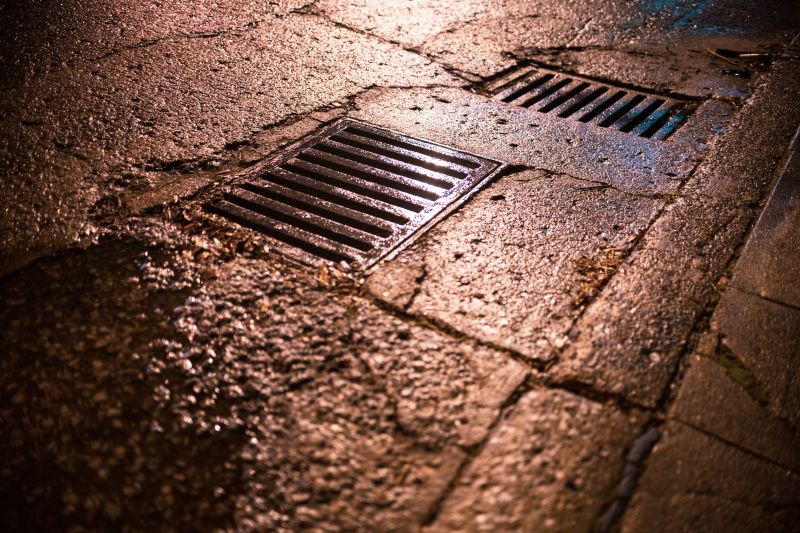
Installing an impermeable surface that causes water to sheet off onto the road or neighbouring property can create legal issues and may require remediation. Confirming the drainage approach at the design stage is important here.
What a Dartmouth Driveway Costs
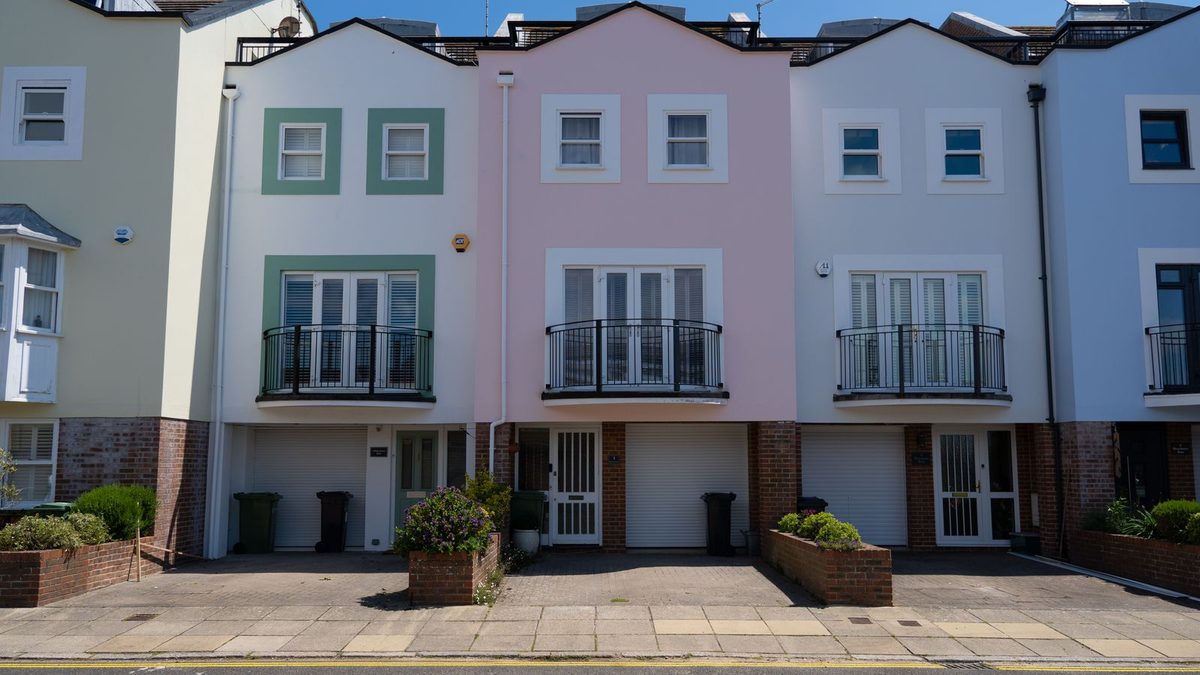
Given Dartmouth's location (roughly 30 miles from major supply centres), access challenges for some properties, and the design considerations above, driveway costs are typically at the upper end of the south Devon range:
- Resin-bound (new installation, moderate slope): £120-£180 per square metre supply and fit
- Tarmac (new installation): £80-£130 per square metre
- Block paving (flat to gentle slope): £120-£170 per square metre
Significantly sloped driveways, properties with access challenges (narrow lanes, no turning area for vehicles), and conservation area material requirements all add to these figures.
FAQ
Q: What's the best driveway surface for a steep Dartmouth property?

Tarmac is the most reliable choice for steep gradients - it's continuous and bonded with no risk of block migration or material washing. Resin-bound surfacing works on moderate gradients with a coarser aggregate for grip. Block paving requires more careful engineering on steep slopes.
Q: Does a new driveway in Dartmouth need planning permission?
Permeable surfaces (resin-bound, permeable block paving) generally don't require planning permission under permitted development rules. In Dartmouth's conservation area, check with South Hams District Council - Article 4 directives can remove standard permitted development rights, and material choice may need to be in keeping with local character.
Q: How does Dartmouth's coastal climate affect driveway choice?
Salt air can accelerate surface corrosion on some materials and increases UV exposure. Resin-bound surfacing with UV-stable resin handles this well. Tarmac is resilient in coastal conditions. Block paving sealants can degrade faster in high-UV coastal environments - unsealed block paving weathers more gracefully.
Q: Is gravel a good option for a Dartmouth driveway?
Traditional gravel suits some Dartmouth properties aesthetically and is straightforward in conservation areas. The practical challenges on sloped Dartmouth driveways are migration (gravel washes down slopes) and the loose surface underfoot. Self-binding gravel or hoggin is more stable than loose shingle.
Q: How do I handle drainage on a sloped Dartmouth driveway?
The drainage approach needs to be confirmed at the design stage. Permeable surfaces absorb water directly. Impermeable surfaces need drainage channels to collect surface water and direct it to appropriate drainage rather than onto the road or neighbouring property.
Q: What does a new driveway cost in Dartmouth?
Typically at the upper end of south Devon ranges due to location and access: resin-bound £120-£180/m², tarmac £80-£130/m², block paving £120-£170/m². Steep gradients and access challenges increase these figures.
You might also like
West County Driveways