Resin Driveway Repairs Newton Abbot: Common Faults and 2026 Repair Costs
Resin driveway repairs in Newton Abbot usually come down to one question: is the fault in the surface, or underneath it? Get that wrong and you pay to patch the same crack twice. A properly laid resin bound drive should last 15-25 years, but a fair share of the drives we're asked to look at are under five years old, and the cause is nearly always the base or the weather on the day it went down. Newton Abbot gets roughly 1,000mm of rain a year, and the Dartmoor-edge towns like Ashburton see 1,300mm or more, against a UK average of around 1,160mm. Add humid, mild winters and clay soils along the Teign valley, and resin gets tested harder here than on a drive in the Midlands. This guide covers the faults we see most, what causes each one and what the repair costs in 2026.
Resin Driveway Repairs in Newton Abbot: Start With the Base
Before anyone quotes, they should work out whether the resin has failed or is just showing a problem from below. Resin bound surfacing is only 15-18mm thick and has no structural strength of its own. If what's underneath moves, the resin moves with it.
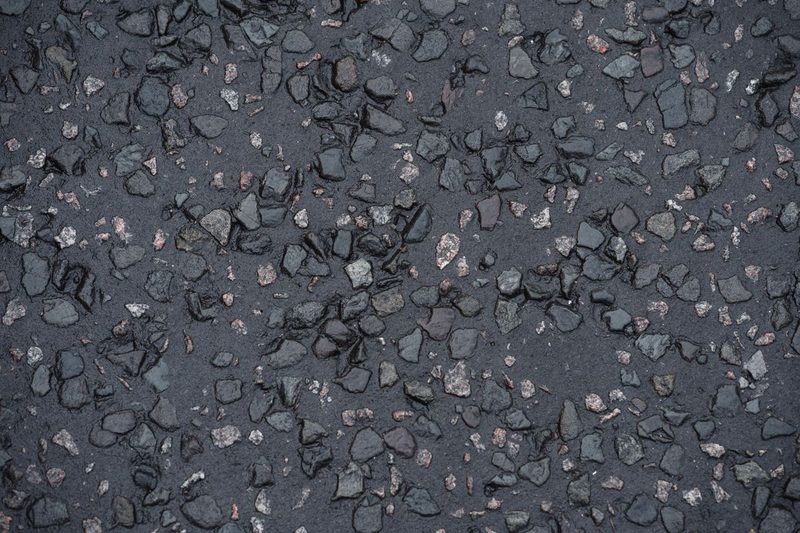
In our experience around 60-70% of serious resin faults trace back to the base. The resin gets blamed, but it's rarely the culprit. The usual story is resin laid over old, already-cracked concrete or tarmac to save £15-£25 per square metre, with every old crack coming back through within one to three winters.
If you're not sure which you've got, West County Driveways can take a look and tell you honestly whether it's a surface repair or a groundwork problem, before you spend anything.
Why Teign valley clay makes this worse
Much of the ground between Newton Abbot, Kingsteignton and the Teign estuary is clay or alluvial silt. Clay swells when wet and shrinks in a dry summer, by 10-20mm on a poorly prepared site, and a thin sub-base over it will flex until the resin cracks along the weakest line.
Cracks in a Resin Driveway: Reflective vs Surface Cracking
Reflective cracks are copied up from the layer below, often following old slab joints. Hairline surface cracks usually come from a mix that was too thin in one spot or a car turning hard on a fresh surface.
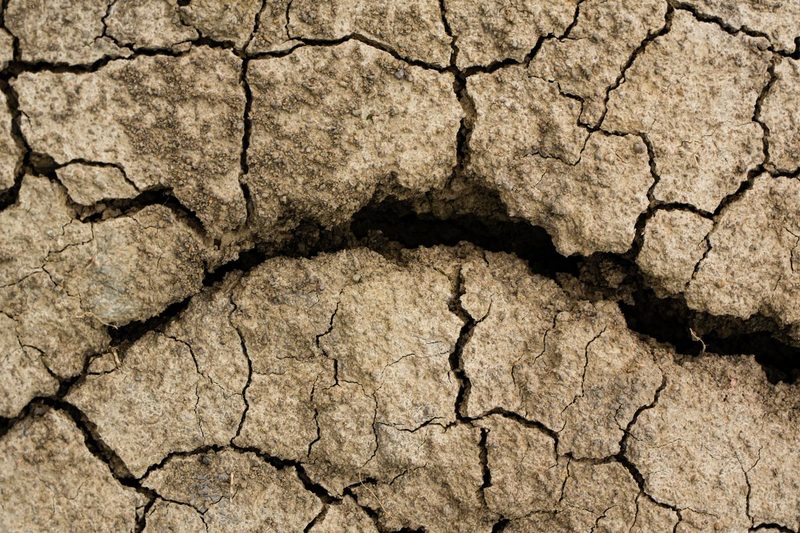
Hairline surface cracks under 2-3mm wide can often be cut out and refilled with a matching mix. Expect £150-£350, as most contractors have a minimum charge of £150-£250 because resin is mixed in batches. Reflective cracks are another matter. Fill one and you'll usually get one or two winters out of it before the line opens again.
The proper fix for reflective cracking is to cut out a strip, repair or replace the failed base underneath, then relay the resin over that section. For a 1-2 metre run that's commonly £300-£700. If the cracks run across the whole drive, the honest answer is often that the old base needs lifting.
Loose Stones and Fretting
If you're sweeping up loose aggregate every week, that's fretting. A handful of loose stones in the first month is normal. Constant shedding after that isn't.
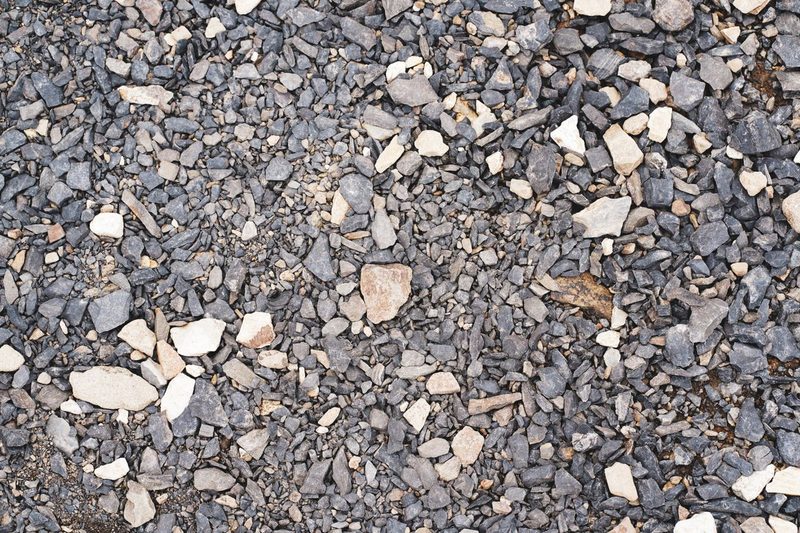
The usual causes are an under-mixed batch, or a drive laid in damp or cold conditions. Most polyurethane resins need the surface dry and the air above about 5°C. South Devon's damp autumn and winter mornings make that a real risk outside roughly April to October.
Can fretting be fixed?
Small areas, under a square metre or so, can be cut out and relaid for £150-£400. Light, widespread fretting can sometimes be slowed with a resin top coat or binder at around £8-£15 per square metre. If more than about 20-30% of the surface is shedding, relaying usually works out cheaper over five years than repeated patching.
Bald Patches and Wheel-Turn Scuffing
Bald patches appear where cars turn on the spot, usually at the entrance or in front of the garage. Turning the wheel on a stationary car twists the tyre into the surface, and a few hundred turns can grind out a bare patch.
It's worse on steep sites, and there are plenty of those around Newton Abbot, Totnes and Dartmouth, where drives of 1-in-8 or steeper are normal. Tyres scrub harder on a wet slope. A 6mm aggregate rather than 3mm, or an 18mm layer in turning areas, helps when the drive is first laid.
A turning-area patch repair is typically £200-£500 depending on size. The cheapest long-term fix is behavioural: roll the car a few inches while you turn the wheel.
UV Yellowing and Discolouration
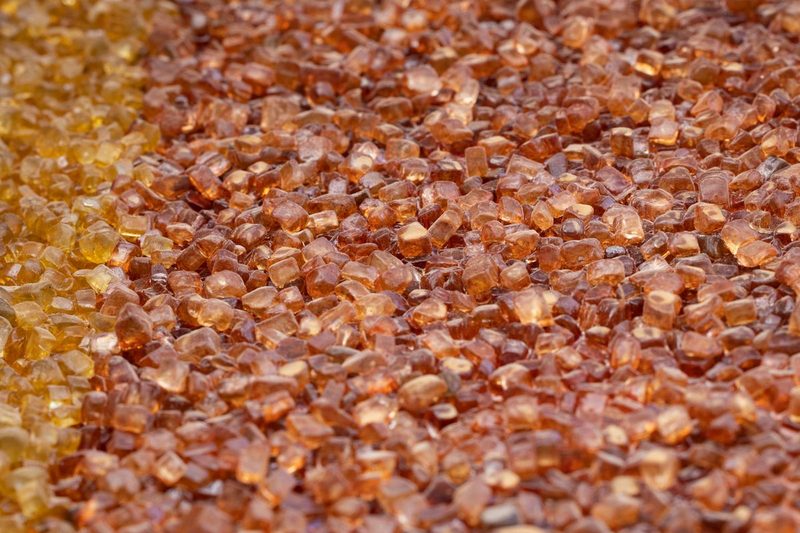
Resin bound driveways use either aromatic or aliphatic polyurethane resin. Aromatic resin is cheaper and fine for darker aggregates, but it isn't UV stable, and light stone colours laid with it can turn yellow or amber within 12-24 months in full sun. Aliphatic, UV-stable resin costs more, often adding £5-£10 per square metre, but holds its colour.
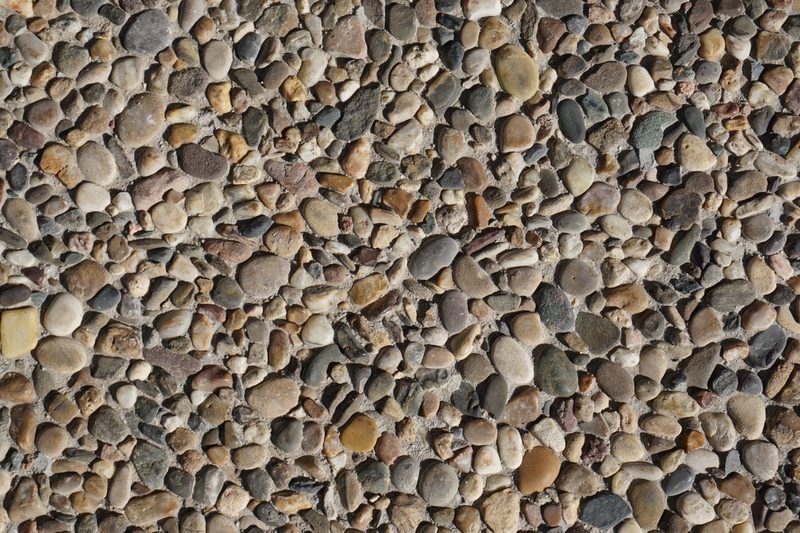
The coast around Teignmouth, Paignton and Brixham is one of the sunnier stretches of England, at roughly 1,600-1,700 hours a year (you can check the station nearest you in the Met Office UK climate averages). A south-facing drive with a light silver or white mix will show yellowing quickly on the wrong resin.
Yellowing can't be cleaned off, because the colour change is in the resin itself. The options are a UV-stable top coat over the existing surface (around £10-£20 per square metre) or living with it.
Moss, Algae, Oil and Tyre Marks
Shaded drives in South Devon go green easily. Our mild, wet winters mean algae and moss rarely get a proper frost to knock them back, and drives under trees or on the north side of a house in Kingsteignton or Ashburton can show a green film within two or three years.
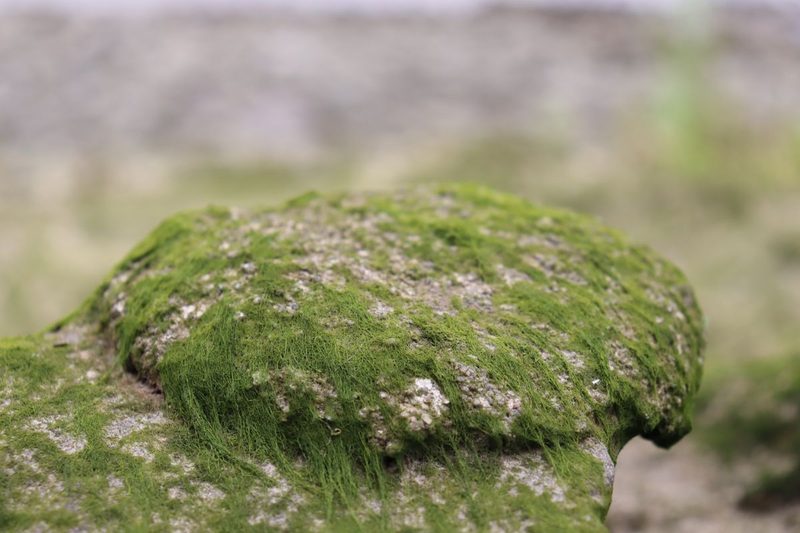
Algae and moss usually come off with a stiff brush and a biocide wash, or a low-pressure wash with a wide fan nozzle. A professional clean costs around £2-£4 per square metre. We've gone into the routine side of this, and how a drive's lifespan depends on it, in our guide to how long a resin driveway lasts in Newton Abbot and South Devon.
Oil and fuel are worse, because petrol and diesel can soften the resin itself. Blot spills straight away. Old, soaked-in oil stains often need the affected patch cut out and replaced, at £150-£350. Black tyre marks on a new drive usually fade within the first year.
Utility Dig-Ups and Colour-Matching Patch Repairs
When a water, gas or broadband company digs through a drive, they often leave a square of tarmac or concrete behind. Ask them in writing, before work starts, to cover a proper resin reinstatement.
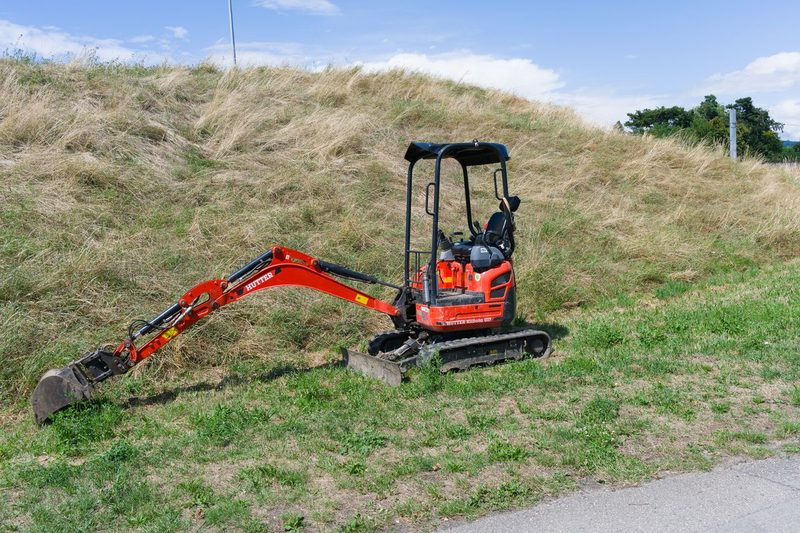
Even a properly cut and relaid patch rarely matches perfectly at first. New resin looks brighter than surface that's had a few years of weathering, though most patches blend in within 6-12 months.
A typical utility reinstatement in resin costs £250-£600 for a 1-2 square metre trench. Keep a note of your original aggregate blend - it makes matching far easier.
When a Resin Drive Is Repairable and When It Needs Relaying
As a rough rule, a drive is worth repairing if the faults cover less than about 20-25% of the surface and the base underneath is sound. Repairs at that scale usually cost £150-£800 in total.
It's time to think about relaying when cracks run across the whole drive, stones are shedding everywhere, or water sits on the surface after rain, which suggests the base has failed or was never permeable. Full relaying in 2026 typically costs £70-£110 per square metre including a new base, so a 40 square metre drive comes to roughly £2,800-£4,400. Resin over a sound existing base can be cheaper, around £50-£75 per square metre.
Planning rules if you relay the front
If the drive is in front of the house and over 5 square metres, relaying it needs to be permeable or drain to a lawn or border, or you'll need planning permission. The government guidance on permeable surfacing of front gardens sets out what's allowed. Resin bound over a permeable base qualifies, but resin over solid concrete doesn't.
Finding someone to do the work
Skilled resin installers are thinner on the ground in South Devon than in bigger cities, and between May and September the good ones are often booked four to eight weeks ahead. Checking that a firm is registered with a government-endorsed scheme such as TrustMark is a sensible first filter.
Frequently Asked Questions About Resin Driveway Repairs in Newton Abbot
How much do resin driveway repairs cost in Newton Abbot?
Small patch repairs usually cost £150-£400, with most contractors charging a minimum of £150-£250. Repairing reflective cracks with base work is typically £300-£700 per section. Full relaying with a new base runs at around £70-£110 per square metre in 2026.
Why is my resin driveway losing stones?
Constant stone loss after the first month usually means the resin was under-mixed or the drive was laid in damp or cold conditions, which weakens the bond. Small areas can be cut out and relaid, but widespread fretting often means relaying.
Can you repair cracks in a resin driveway?
Hairline surface cracks can be cut out and refilled. Cracks copied up from old concrete or tarmac underneath will usually return unless the base under that section is repaired first.
Will a resin patch repair match the rest of my drive?
Not perfectly at first. New resin looks brighter than weathered surface, but most patches blend in within 6-12 months, especially if the same aggregate blend is used.
What's the best time of year to repair a resin drive in South Devon?
Roughly April to October, on dry days above about 5°C. Damp mornings and wet weeks outside that window make a good cure much harder to guarantee.
You might also like
West County Driveways