Resin Driveways Teignmouth and Block Paving Teignmouth: 2026 Guide
Most homeowners we speak to about resin driveways in Teignmouth are weighing them up against block paving, and the town makes that choice harder than it is inland. Teignmouth sits right on the coast at the mouth of the Teign, so sea spray and wind-blown salt reach well beyond the seafront, and a south-facing frontage can take over 1,500 hours of sunshine a year. Rainfall averages roughly 850-950mm a year, below the UK figure of about 1,160mm, but much of it lands in heavy autumn and winter bursts that the clay-rich red soils struggle to absorb. A typical resin bound drive here costs £70-£110 per square metre in 2026, and block paving £75-£125. Add steep streets, narrow Victorian terrace frontages and on-street parking that fills up every summer, and the right surface depends far more on your plot than on the brochure. Below is how each one copes with Teignmouth, and which homes suit which.
Why Teignmouth Is a Tricky Town for a New Driveway
On paper Teignmouth is easy. The rainfall is lower than most of Devon and frost is rare - coastal South Devon usually gets fewer than 20 air frosts a year, against 40-50 in parts of inland England. The trouble is the combination of things that rarely turn up together: salt in the air, strong sun, sloping ground, small frontages and soil that drains slowly.
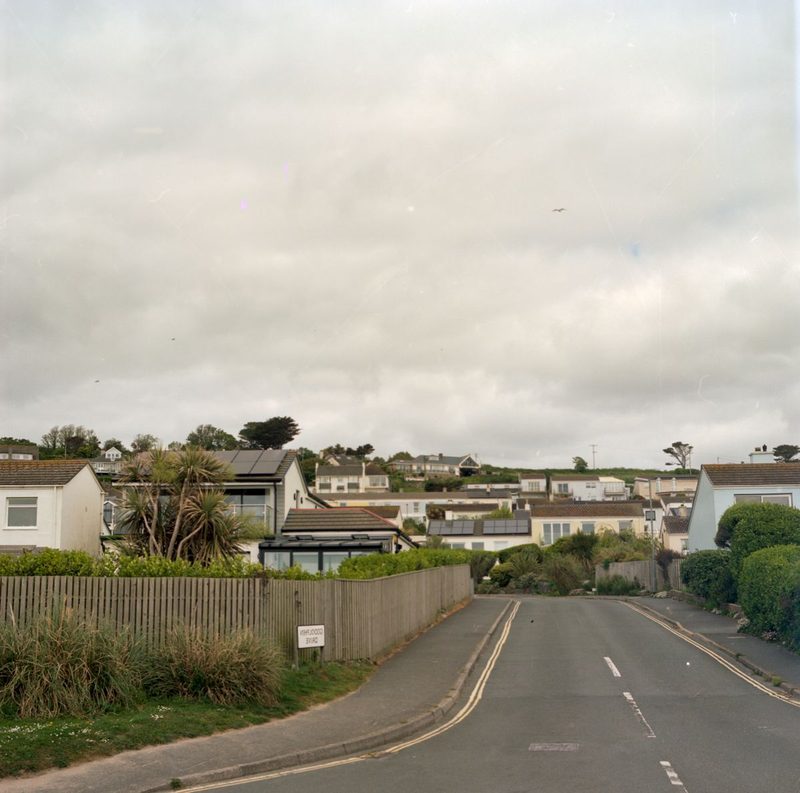
Strong UV favours some resins and fades others. Slopes favour surfaces with grip and a solid edge restraint. Small frontages make every square metre of drainage count, because there is little garden left for water to soak into. If you'd like someone to look at your own frontage and tell you honestly what works, you can get in touch through the West County Driveways homepage and we'll arrange a visit.
There's also the question of who does the work. Teignmouth has fewer specialist resin installers than the bigger towns along the coast, and many local firms are general landscapers who lay block paving most of the time and resin only occasionally. In spring and early summer, lead times of 6-10 weeks are normal, so it pays to book before the busy season.
Salt Air and Sun: How Coastal Exposure Affects Resin and Block Paving
Salt is the first thing to plan around on any coastal drive. On a resin bound surface the salt itself does little harm, but the sun does. Cheaper aromatic resins yellow and darken under UV, often noticeably within 2-3 years on a sunny frontage. The answer is a UV-stable aliphatic resin, which costs around 10-15% more but keeps its colour. On a sea-facing or south-facing Teignmouth property, we wouldn't lay anything else.
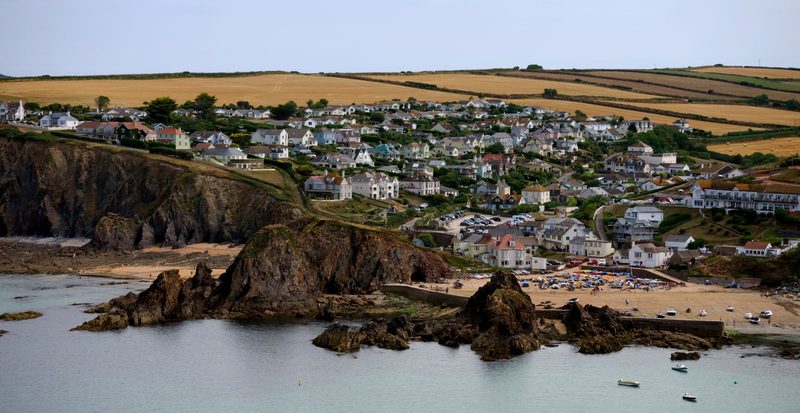
What salt does to block paving
Block paving copes with salt better than most people expect, as long as the blocks are good quality concrete or clay. The weak points are the joints and the sub-base. Wind-blown salt and sand settle in the joints, weeds and moss take hold in the sheltered corners, and white efflorescence can show up on concrete blocks in the first year or two. A rinse with fresh water a few times a year, plus re-sanding the joints every 3-5 years, keeps it under control.
Metal fittings are the other casualty. Drainage channel grates, manhole covers and galvanised edging all corrode faster within a mile or so of the sea. Ask for composite or stainless grates near the coast - it adds perhaps £10-£20 per metre of channel but saves replacing rusted grates in 5-8 years.
Resin Driveways Teignmouth: Steep Streets and Sloped Plots
A lot of Teignmouth is built on the hillsides that rise behind the seafront, and drives with a gradient of 1 in 10 or steeper are common. Resin bound surfaces can go on slopes, but there are limits. Because the mix is trowelled, it can slump slightly on gradients above roughly 1 in 8 before it sets, and installers then need a stiffer mix, smaller batches and a quick crew. Expect to pay 10-20% more on a properly steep drive.
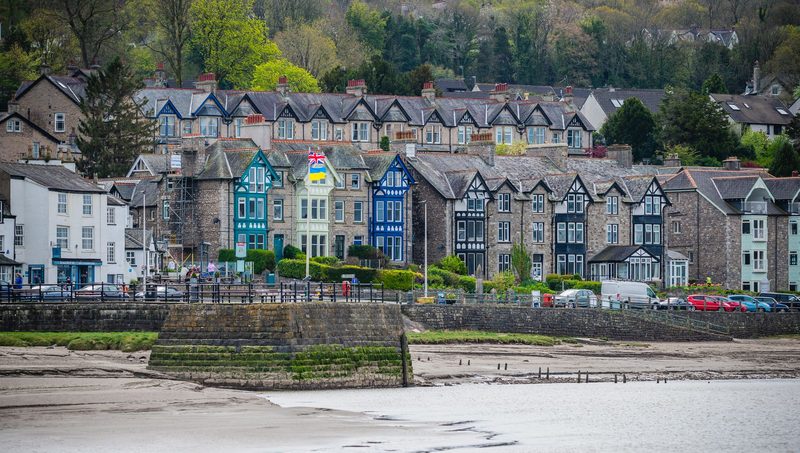
Then there's grip. Resin bound aggregate gives reasonable traction when dry, and adding a fine anti-slip grit to the surface helps in the wet. For gradients steeper than about 1 in 6, we'd usually steer people towards block paving or a split design with a textured section on the steepest part.
How block paving handles a slope
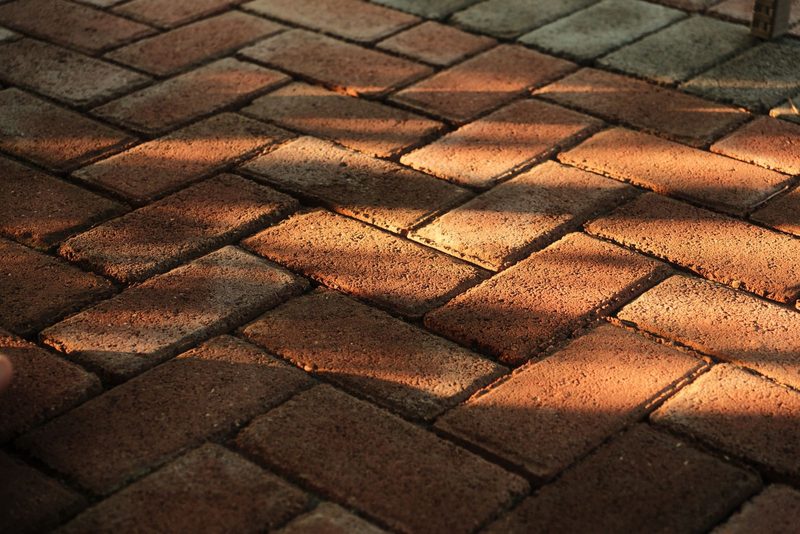
Block paving is often the safer choice on a hill. The blocks interlock, the edge restraints stop the whole surface creeping downhill, and a herringbone pattern resists the braking and turning forces from a car better than other laying patterns. We'd always use herringbone on a slope, with concrete-haunched edging at the bottom where the load is highest.
Small Terrace Frontages and On-Street Parking Pressure
Large parts of Teignmouth are Victorian and Edwardian terraces with front gardens of 15-30 square metres, or even less. In summer, when visitors fill the streets, an off-road space becomes worth a lot to the household. Converting a small frontage can still fit one car if the plot is at least 4.8 metres deep, which is the standard minimum for a parking space.
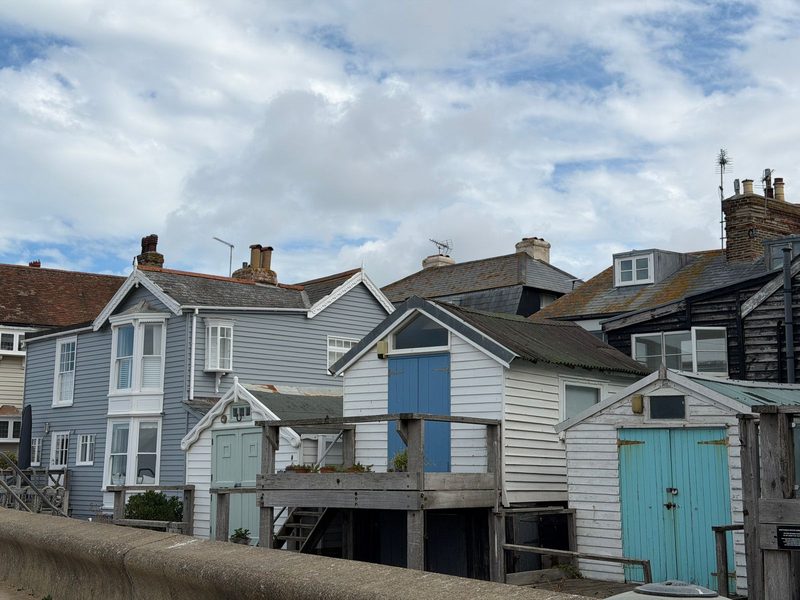
Small areas change the maths. Both resin and block paving carry fixed costs for excavation, skip hire and setting out, so a 20 square metre drive often works out at £100-£140 per square metre once those are spread across a small area.
We've covered the wider pros and cons in more detail in our resin vs block paving comparison for Newton Abbot, which is worth reading alongside this one if you're torn between the two.
Drainage on Red Devon Soils and the SuDS Rules
The red soils around Teignmouth sit on sandstones and breccias that weather into a sticky, clay-rich ground. When it rains hard, water soaks in slowly, and runoff from a solid drive tends to head straight for the pavement or the house. This is why drainage is a planning issue as well as a practical one.
Under national permitted development rules, a new or replacement front driveway over 5 square metres needs planning permission unless it is permeable or drains to a lawn or border within your own property. The government's guidance on permeable surfacing of front gardens sets out the options. Teignbridge District Council applies these rules like every other English planning authority, and it is stricter in conservation areas, which cover parts of the older town.
How each surface meets the rules
Resin bound surfaces are permeable by design, letting water pass through at several hundred litres per square metre per minute, provided they go onto an open-graded sub-base rather than solid concrete. Standard block paving is not permeable, so it needs either a channel draining to a soakaway in your garden or a switch to permeable block paving, which has wider joints filled with grit. On red clay a soakaway often needs testing first, and percolation can be poor enough that an attenuation crate costs an extra £600-£1,500. Devon County Council's flood risk management pages explain why surface water is taken seriously in the county.
Dropped Kerbs Through Devon County Council
If you're turning a front garden into a parking space, you'll almost certainly need a dropped kerb. In Teignmouth these are handled by Devon County Council as the highway authority, not by Teignbridge. You apply through the council's vehicle crossing and dropped kerb request page, and the work itself must be done by an approved contractor.
Budget roughly £1,500-£3,500 for a typical dropped kerb in 2026, depending on its width and whether utilities run under the pavement. The council checks visibility, distance from junctions and whether the space is deep enough, and approval can take 8-12 weeks. On a busy road or a classified route, planning permission may be needed as well.
Get the dropped kerb agreed before committing to the driveway. We've seen people lay a new frontage first and then get refused the crossing. Don't be one of them.
Block Paving Teignmouth and Resin: 2026 Costs Compared
Here are typical 2026 prices for Teignmouth, including excavation, a new sub-base and edging on a standard 40-60 square metre drive:
- Resin bound with aliphatic (UV-stable) resin: £75-£115 per square metre
- Resin bound overlay on sound existing tarmac or concrete: £50-£75 per square metre
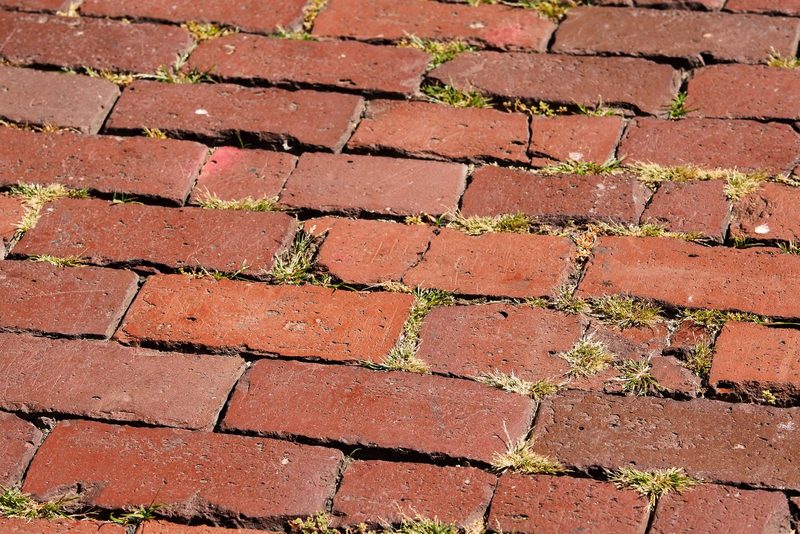
- Concrete block paving: £75-£110 per square metre
- Permeable block paving: £90-£125 per square metre
- Clay pavers: £100-£150 per square metre
For a 50 square metre drive, that puts a new resin bound surface at about £3,750-£5,750 and concrete block paving at £3,750-£5,500. Steep slopes add 10-20%, difficult access can add £300-£800, and a soakaway or channel drain adds £400-£1,500. Resin lasts 15-25 years if laid well, block paving 25 years or more.
Which Surface Suits Which Teignmouth Property
- Seafront and sea-facing homes: resin bound with aliphatic resin, for a smooth, salt-tolerant finish with no joints to collect sand and weeds.
- Steep hillside drives over about 1 in 6: herringbone block paving with strong edge restraints.
- Small terrace frontages: resin bound, which looks tidy on a small area and is permeable without extra drainage work.
- Conservation area properties: clay pavers or a muted natural gravel resin blend, which tend to sit better with older buildings.
If you're still unsure, ask for a quote on both surfaces for the same layout. A good installer will tell you honestly which one suits your plot rather than pushing whatever they lay most often.
Frequently Asked Questions About Resin Driveways and Block Paving in Teignmouth
Does salt air damage resin driveways in Teignmouth?
Salt itself does little harm to a resin bound surface. The bigger risk near the coast is UV, which yellows cheaper aromatic resins. Choose a UV-stable aliphatic resin and rinse the surface with fresh water a couple of times a year.
How much does a block paving driveway cost in Teignmouth in 2026?
Expect £75-£110 per square metre for concrete block paving and £90-£125 for permeable block paving, including groundwork. A 50 square metre drive usually costs £3,750-£6,250 before extras such as drainage or a dropped kerb.
Do I need planning permission for a new driveway in Teignmouth?
Not if the surface is permeable or drains onto your own garden. A non-permeable front drive over 5 square metres that drains onto the road needs permission from Teignbridge District Council, and conservation areas carry extra checks.
Can you lay a resin driveway on a steep slope?
Yes, up to about 1 in 6 with the right mix and a skilled crew, though it costs 10-20% more. On steeper gradients, block paving laid in herringbone is usually the safer and grippier choice.
You might also like
West County Driveways