Pattern Imprinted Concrete Driveways in Newton Abbot: 2026 Costs and Lifespan
A pattern imprinted concrete driveway in Newton Abbot will usually cost somewhere between £75 and £115 per square metre in 2026, so a typical 40 square metre drive comes to roughly £3,000-£4,600. For that you get a surface that looks like block paving, slate or cobbles but is actually one solid slab of coloured concrete. Done well, it lasts 20-25 years or more. Done badly, it cracks within two winters. The difference comes down to the base, the joints and the sealer, and South Devon tests all three. Newton Abbot gets around 1,000mm of rain a year, the Dartmoor-edge villages towards Ashburton get closer to 1,300mm, and much of the Teign valley sits on clay that swells and shrinks with the seasons. This guide covers what imprinted concrete costs here, how it's laid, why it cracks, how often it needs resealing and whether it beats block paving or resin for your house.
Pattern Imprinted Concrete Driveway Costs in Newton Abbot for 2026
Most quotes for imprinted concrete in the Newton Abbot area land between £75 and £115 per square metre, including digging out, a new sub-base and the concrete itself. Where the price falls depends mainly on how much has to come out first, how awkward the access is and how fussy the pattern is.
Rough 2026 figures for a drive that needs a full dig-out:
- 25 square metres (a small single drive): £2,200-£3,200
- 40 square metres (a standard two-car drive): £3,000-£4,600
- 60 square metres (a larger drive with turning space): £4,300-£6,500
- Removing an old concrete or tarmac drive first: add £15-£25 per square metre
- A channel drain and soakaway to meet front-garden rules: add £400-£900
- Anti-slip additive in the sealer for a sloping drive: add £1-£2 per square metre
Plain patterns like ashlar slab or running bond sit at the lower end. Multi-colour finishes, contrasting borders and fan or cobble patterns push it up by 10-15%. If you'd like a price for your own drive, West County Driveways can come out, measure up and talk you through which finish suits the house.
Why quotes vary so much
A quote 30% below the rest is usually missing something. The most common gaps are a thinner sub-base, no steel mesh, too few joints, or a single coat of sealer instead of two. You won't see any of that on the day. You'll see all of it by year three.
How a Pattern Imprinted Concrete Drive Is Laid, From Sub-Base to Stamp
The ground is dug out to around 200-250mm and a sub-base of compacted MOT Type 1 stone goes down, usually 100-150mm deep. On soft clay that figure should go up, and some installers add a geotextile membrane underneath to stop the stone sinking into the clay over time.
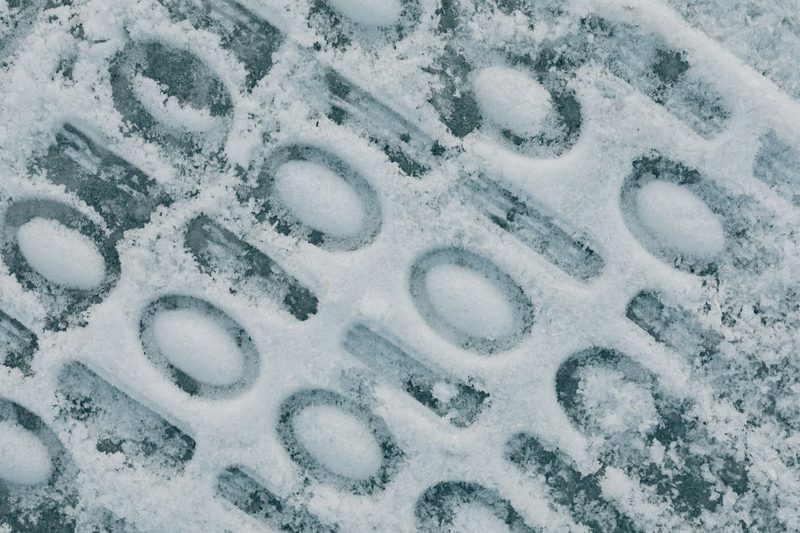
Next comes the concrete, normally 100mm thick, often with A142 steel mesh in the middle and fibres mixed in. A coloured hardener is spread over the wet surface, then a release agent in a second colour, and the installers press the pattern in with rubber mats while the concrete is still soft. That window is often only 1-2 hours, so a crew of three or four is normal even on a modest drive.
After 24-48 hours the release agent is washed off, which leaves the darker tone in the grooves and gives the pattern its depth. Then the joints are cut, and once the slab has dried the sealer goes on. You can usually walk on it after a day and drive on it after 5-7 days, though concrete only reaches full strength at about 28 days.
Weather on the day matters
Concrete can't be poured if frost is forecast, and heavy rain on fresh coloured hardener can wash it patchy. In South Devon that's less of a winter problem than in most of the UK - Torbay and the Teign estuary see far fewer air frosts than the national average - but our wet autumns cause more delays than cold snaps do.
Cracking on Teign Valley Clay and Sloping South Devon Drives
Every concrete slab shrinks as it cures, by around 0.5mm per metre. Cracking is how concrete relieves that stress, and the whole point of cut joints is to make sure it cracks neatly along a line you planned, not across the middle of your drive. The usual guide is a joint every 3-4 metres, with each panel kept under about 12-15 square metres and roughly square in shape.
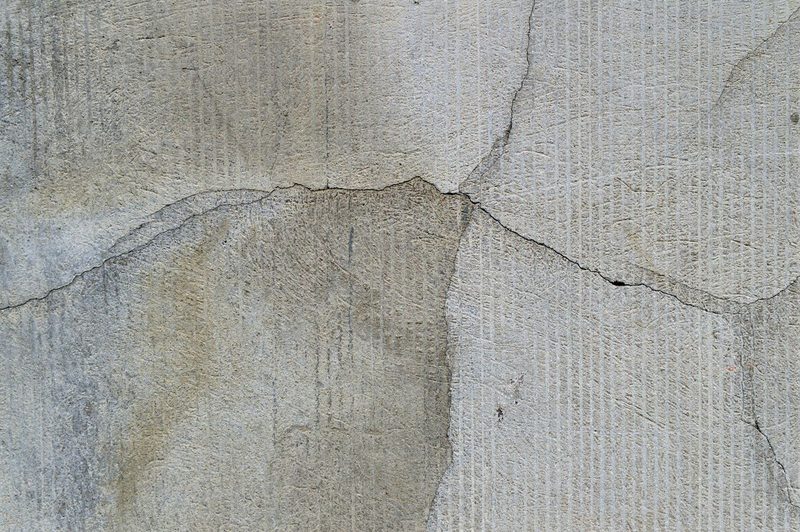
Clay adds a second problem. Much of the ground between Newton Abbot, Kingsteignton and the estuary is clay or alluvial silt, and clay can move 10-20mm between a wet winter and a dry summer. The British Geological Survey's work on shallow geohazards maps shrink-swell clay across the country, and it's worth a look if you're not sure what's under your drive. A rigid slab on moving ground needs a deeper sub-base and closer joints, or it will find its own weak line.
Slopes and retaining edges
Newton Abbot, Totnes and Dartmouth have a lot of drives at 1-in-8 or steeper. On a slope, concrete wants to creep downhill, so the bottom edge needs a proper restraint and the joints need to be closer together. Imprinted concrete also gets slippery when wet or icy, especially once algae gets a hold, which is why we'd always add an anti-slip grit to the sealer on anything steeper than about 1-in-12.
Resealing Imprinted Concrete Every 2-3 Years in a Devon Climate
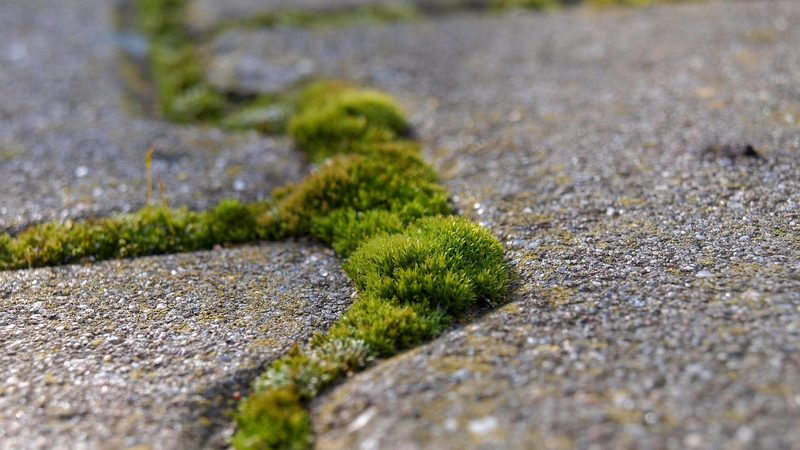
The sealer keeps the colour bright and stops water, oil and algae soaking into the surface. In a dry climate a good acrylic sealer lasts 3-4 years. In South Devon, with rain on around 150-170 days a year and mild winters that let moss and algae grow almost all year, expect 2-3 years before it starts looking dull and patchy.
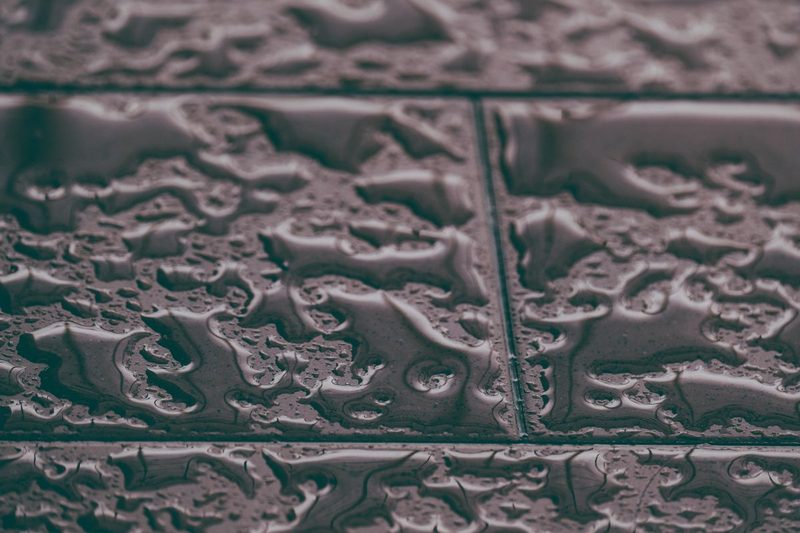
A professional clean and reseal usually costs £8-£14 per square metre, so £320-£560 for a 40 square metre drive. That includes a pressure clean, a biocide treatment if it's gone green, and one or two coats of sealer. Skip it for five or six years and the colour fades, water gets under the old sealer and you can see white, milky patches that are harder to fix.
We've gone into the products and methods for cleaning concrete, block and other surfaces in our guide to driveway cleaning and sealing in Newton Abbot.
Doing it yourself
You can reseal a drive yourself with a solvent-based acrylic sealer, which costs roughly £60-£120 in materials for 40 square metres. The catch is weather. You need two or three dry days in a row and the surface completely dry first, which in a Devon autumn can take a while to arrive.
How Long Does a Pattern Imprinted Concrete Driveway Last?
A properly laid imprinted concrete drive should last 20-25 years, and the concrete itself can go on longer than that. What wears out first is the look - the colour fades and the pattern loses its contrast long before the slab gives up.
The main things that shorten its life here are:
- A thin or poorly compacted sub-base on clay, which leads to cracking and sinking in the first 1-5 years
- Too few joints, which leads to random cracks across panels
- Missed resealing, which leads to fading, algae and surface flaking
- Heavy vehicles such as skip lorries or oil tankers on a drive built for cars
Repairs are the weak spot. Because the drive is one solid slab, a crack or a utility dig-up can't be lifted and relaid the way block paving can. Patch repairs cost £200-£600 and almost never match the colour exactly.
Imprinted Concrete vs Block Paving vs Resin in Newton Abbot
All three cost about the same to install around here, so the choice usually comes down to looks, upkeep and how you feel about repairs.
- Pattern imprinted concrete: £75-£115 per square metre, 20-25 years, reseal every 2-3 years, hard to patch invisibly, not permeable
- Block paving: £80-£130 per square metre, 20-30 years, re-sand joints and clean every few years, individual blocks lift and relay easily, permeable versions available
- Resin bound: £70-£110 per square metre with a new base, 15-25 years, very low upkeep, permeable on the right base, can fret or crack if the base is poor
Imprinted concrete suits people who want a block-paved look without weeds coming up between the joints, and who are happy to reseal every few years. Block paving is easier to live with if you expect dig-ups or want to repair bits over time. Resin wins on drainage and low maintenance. And be honest with yourself about the resealing - a shaded drive under a tree in Kingsteignton will want it closer to every two years than every three.
Our earlier comparison
If you're torn between the two most popular options here, we compared them side by side in our guide to resin vs block paving driveways in Newton Abbot, including which one copes better with Devon's wet winters.
Drainage, Planning and Dropped Kerbs for an Imprinted Concrete Drive
Imprinted concrete is not permeable. Since 2008, any new or replaced front driveway over 5 square metres in England has to either use a permeable surface or drain water onto a lawn, border or soakaway on your own land, or it needs planning permission. The government guidance on permeable surfacing of front gardens sets out the options.
In practice most imprinted drives in Newton Abbot get a channel drain across the bottom, feeding a soakaway. That typically adds £400-£900. On heavy clay a soakaway drains slowly, so it may need to be bigger, or the water may be better directed to a planted border. If your house is listed or in a conservation area, check with Teignbridge District Council before you start, as the rules can be tighter.
Finding an installer
Imprinted concrete needs a specialist crew and the right timing, and fewer South Devon firms do it now than 15 years ago, when it was at the height of its popularity. Between May and September good installers are often booked 4-8 weeks ahead. Checking that a firm is registered with TrustMark, the government-endorsed quality scheme, is a sensible first step. Then ask to see a drive they laid five or more years ago, because a new one always looks good. A dropped kerb, if you need one, is a separate application to Devon County Council as the highway authority.
Frequently Asked Questions About Pattern Imprinted Concrete Driveways in Newton Abbot
How much does a pattern imprinted concrete driveway cost in Newton Abbot?
Most 2026 quotes fall between £75 and £115 per square metre including dig-out and sub-base. A 40 square metre drive typically costs £3,000-£4,600, plus £400-£900 if it needs a channel drain and soakaway.
How often does imprinted concrete need resealing?
In South Devon's wet, mild climate, every 2-3 years. A professional clean and reseal costs around £8-£14 per square metre.
Why has my imprinted concrete driveway cracked?
Usually because there weren't enough cut joints, the sub-base was too thin for the ground, or clay underneath has moved. Fine cracks along joint lines are expected; cracks across panels point to a base or jointing problem.
Is pattern imprinted concrete slippery?
It can be when wet, icy or covered in algae. An anti-slip grit added to the sealer helps a lot, and is worth it on any drive steeper than about 1-in-12.
Do I need planning permission for an imprinted concrete drive?
Not if it's under 5 square metres, or if the water drains to a lawn, border or soakaway on your land. A front drive over 5 square metres draining onto the road needs planning permission.
You might also like
West County Driveways