Resin vs Block Paving Driveways in Newton Abbot: 2026 Costs and Which to Choose
Resin vs block paving is the choice most Newton Abbot homeowners end up stuck on once tarmac and gravel are off the list. On paper the two look close. In 2026 a full resin bound driveway costs roughly £75 to £110 per m2 here, and standard concrete block paving £85 to £115, so on a typical 50m2 South Devon drive the gap is often less than £500. Where they really differ is how they age. Newton Abbot gets around 900 to 1,000mm of rain a year, Ashburton on the edge of Dartmoor 1,400mm or more, and the coast at Teignmouth and Brixham adds salt and wind to the mix. Block paving has joints that grow weeds and can be lifted and relaid. Resin has no joints, but a repair is hard to hide. This guide sets the two side by side for local homes - prices, weather, slopes, moss, planning, repairs and value - and ends with a straight answer for the most common situations we see.
Resin vs Block Paving in Newton Abbot: The Short Answer
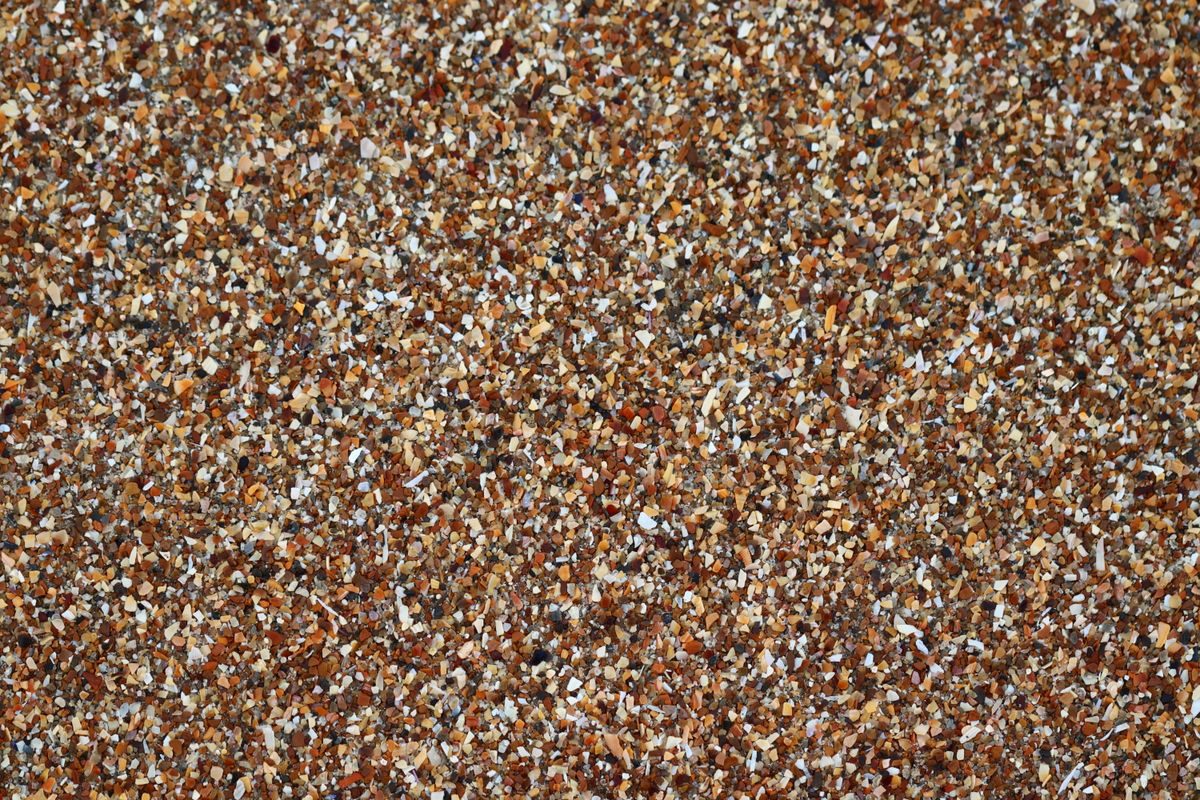
Resin bound suits flat or gently sloping drives, homeowners who want a smooth, low-upkeep finish and anyone short on space for drainage, because it's permeable as standard when laid on the right base. Block paving suits steeper plots, drives that take heavy vans or a motorhome, homes where services under the drive may need digging up, and people who'd rather be able to fix one corner without it showing. For most people the plot decides it, not a preference for one look over the other.
Either one will fail on a poor base. In clay-heavy parts of Kingsteignton and Newton Abbot, the 200 to 250mm of stone underneath does more for your drive than the choice of surface on top. If you're unsure which way your own drive leans, the team at West County Driveways can look at the site, measure the fall and price both options so you're comparing like with like.
One thing to rule out early: resin bonded (stones scattered onto a resin coat) is a different, cheaper product from resin bound, and it isn't permeable. Everything below refers to resin bound.
2026 Resin vs Block Paving Prices for a 40-60m2 South Devon Drive
Most front drives in Newton Abbot, Kingsteignton and Paignton fall between 40 and 60m2, enough for two cars. These are typical installed prices in 2026, including excavation, sub-base and edging on a straightforward site:
- Resin bound on a new porous asphalt base: £75 to £110 per m2, so £3,000 to £4,400 for 40m2 and £4,500 to £6,600 for 60m2
- Resin bound laid over existing sound tarmac or concrete: £50 to £70 per m2, so £2,000 to £2,800 for 40m2 and £3,000 to £4,200 for 60m2
- Standard concrete block paving: £85 to £115 per m2, so £3,400 to £4,600 for 40m2 and £5,100 to £6,900 for 60m2
- Permeable concrete block paving: £105 to £145 per m2, so £4,200 to £5,800 for 40m2 and £6,300 to £8,700 for 60m2
- Clay pavers: £120 to £180 per m2, so £4,800 to £7,200 for 40m2 and £7,200 to £10,800 for 60m2
Removing an old surface adds £15 to £30 per m2 to either option, and awkward access - steep lanes, no room for a grab lorry - can add 10 to 20%.
Cost over 20 years, not just on day one
The quote is only part of it. Block paving usually needs re-sanding every 3 to 5 years (around £3 to £5 per m2 if you pay someone) and many owners seal it at £8 to £15 per m2 on a similar cycle. Over 20 years that can add £1,500 to £2,500 on a 50m2 drive. Resin mainly needs a jet wash once or twice a year, which most people do themselves. On the other hand, a well-laid block drive will often still be going at 30 years, while resin typically needs replacing or overlaying somewhere between 15 and 25. Over a 30-year view, the totals end up much closer than the day-one prices suggest.
Both prices assume the groundwork is done properly. We've explained exactly what goes into that layer in our guide to driveway sub-base and groundwork in Newton Abbot, and it's worth reading before comparing quotes, because that's where the cheapest prices usually cut corners.
How Resin and Block Paving Cope With Devon Rain, Moorland Weather and Sea Air
South Devon has a mild but wet climate. Winters are short and gentle by UK standards - lowland Teignbridge typically sees fewer than 30 air frosts a year, against more than 50 in much of inland England - but the wet season runs from October to March and the rain can be heavy. The Met Office's UK climate averages show how sharply rainfall climbs as you head from the Teign estuary towards the moor.
Newton Abbot and Kingsteignton: rain on clay
Here the problem is water sitting in the ground rather than freezing. Resin bound drains straight through at well over 800 litres per m2 per minute when new, so puddles are rare. Standard block paving sheds water across its surface to a drain or border, and on clay that border can stay saturated for weeks. Permeable blocks get around this but cost about £20 to £30 per m2 more.
Ashburton and the Dartmoor edge
At 1,400mm or more of rain and more frequent frosts, freeze-thaw becomes a real factor. Resin copes well if water can drain away below it, but a resin surface over a base that holds water can lift or craze after a few hard winters. Block paving is more forgiving here, because individual blocks move slightly with the ground rather than cracking.
Teignmouth, Brixham and Dartmouth: salt and sun
On the coast, the bigger enemies are UV and salt-laden wind. Cheaper aromatic resins can yellow within 2 to 3 years in strong sun, so insist on a UV-stable (aliphatic) resin, which usually adds 5 to 10% to the price. Concrete blocks can lose a little surface colour and texture over 10 to 15 years in salty air, while clay pavers hardly change at all.
Drainage, SuDS and the 5m2 Planning Rule
Since 2008, paving more than 5m2 of a front garden with a surface that lets water run onto the road has needed planning permission. The government's guidance on permeable surfacing of front gardens sets out what counts as permeable, and it's the reason this choice matters more than it used to.
Resin bound on a porous base meets the rule without any extra work, which is why it's popular on tight Newton Abbot frontages where there's no lawn left to drain onto. Standard block paving only meets it if it's laid to fall onto a soakaway, rain garden or permeable border on your own land - easy on a wide plot, hard on a terrace with a 6m front. The alternative is permeable block paving with wider joints over an open-graded stone base.
Planning applications in Newton Abbot go to Teignbridge District Council, while Devon County Council is the lead flood authority and handles dropped kerbs. With parts of the town close to the Lemon and Teign, both councils take surface water seriously, and Devon County Council's flood risk management pages explain why. On a small front garden, assume the drive will need to be permeable and price it that way from the start.
Weeds, Moss and Everyday Upkeep
This is where the two feel most different to live with. A square metre of standard 200 x 100mm blocks has around 15 metres of joint in it, and in a damp South Devon climate those joints collect windblown seeds and moss. Expect to deal with weeds every spring and autumn unless you pay £8 to £16 per m2 extra for polymeric or resin jointing sand, which stops most of it.

Resin has no joints, so weeds can only get in at the edges or where the surface has worn thin. The weak spot is shade. Under trees or on a north-facing drive, moss and algae can form a green film in 1 to 2 winters, and leaf litter clogs the pores so water drains more slowly. A twice-yearly jet wash on a low setting, plus clearing leaves in October and November, usually keeps it at bay.
On lifespan, a properly installed resin bound drive lasts 15 to 25 years here, and block paving 25 to 30 years or more, with individual clay pavers lasting far longer than that. Concrete blocks can fade by 20 to 30% in colour over 10 years, while resin keeps its colour well if the right resin was used.
When Things Go Wrong: Lifting Blocks vs Patching Resin
Sooner or later something happens to every drive: a skip lorry, an oil leak, a burst pipe underneath. Block paving wins this one easily. An installer can lift a section, fix the base or the pipe, and relay the same blocks for around £300 to £600 on a small area. Stained blocks can be swapped for spares, so it's worth keeping 5% of the original order in the garage.
Resin is harder. A new batch of stone and resin almost never matches a surface that's been weathered for a few years, so a patch of 1 or 2m2 tends to show as a lighter square. Small repairs usually cost £200 to £500, but if the patch bothers you, the fix is often a full overlay of the whole area. Cracks in resin also tend to mirror cracks in the base below it, so they come back unless the base is dealt with.
If you know a utility company, a new EV cable or drainage work is likely in the next 10 years, that alone can tip the decision towards blocks.
Slopes, Period Terraces and New Builds: Which Suits Your Home
Newton Abbot's older streets are full of Victorian and Edwardian terraces and semis, while estates in Kingsteignton, Kingskerswell and on the edges of Paignton are mostly built since the 1980s. What looks right on one rarely looks right on the other.
Sloping drives
A lot of drives in Totnes, Dartmouth and Brixham are steep. Resin bound is usually fine up to a gradient of about 1 in 12 (around 8%), but on steeper slopes the mix can slump while it cures and the surface can be slippery in wet leaves. Block paving, laid in a herringbone pattern with a strong edge restraint, handles gradients of 1 in 8 or steeper and gives better grip.
Period homes and conservation areas
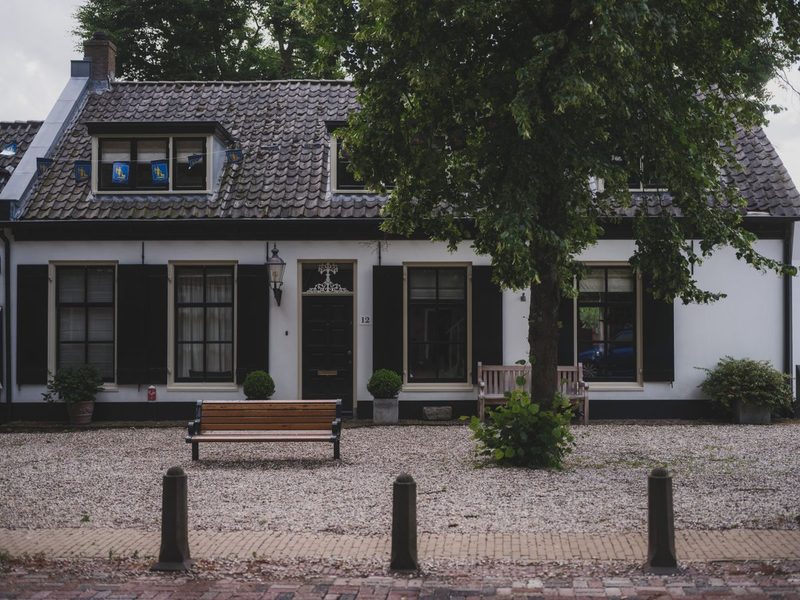
On older stone or rendered houses, tumbled clay pavers or a natural-coloured resin in a buff or Cotswold-type blend tend to sit best. Bright, uniform concrete blocks can look out of place. If your home is in a conservation area, check with Teignbridge before choosing anything, as some areas expect more traditional materials.
New-build estates
On modern estates, grey or charcoal block paving often matches the house builder's own paving, which makes extensions and widening easier. Resin can look sharp here too, particularly in silver or grey blends against modern brick.
Which Adds More Value, and Which Should You Choose?
Neither surface adds a fixed sum to a house price. Anyone quoting an exact figure is guessing. Estate agents generally say a tidy, well-built drive helps a home sell faster and can add a few percent in areas where parking is short, which includes much of central Newton Abbot and Teignmouth. A tired, weedy or patchy drive does more damage than either surface does good. Choosing an installer through a scheme like TrustMark also gives a buyer more confidence that the guarantee is worth something.
Choose resin bound if...
- Your drive is flat or gently sloped, under about 1 in 12
- You have a small front garden and need a permeable surface to meet the 5m2 rule
- You want minimal weeding and a smooth finish for buggies, wheelchairs or bikes
- There's an existing sound tarmac or concrete base you can lay over to save £1,000 or more
Choose block paving if...
- The drive is steep or regularly takes vans, a caravan or a motorhome
- You expect pipe, cable or drainage work under the drive in the next decade
- You want a surface that can be partly repaired without a visible patch
- You're on a new-build estate where matching existing paving matters
For many 40 to 60m2 drives in Newton Abbot, the honest answer is that both will work, and the deciding factor is which you'd rather maintain: joints that need weeding, or a seamless surface that's harder to repair.
Resin vs Block Paving Driveways in Newton Abbot: Common Questions
Is resin cheaper than block paving in Newton Abbot?
Usually a little. A new resin bound drive costs about £75 to £110 per m2 in 2026, and standard block paving about £85 to £115. If resin can go over an existing sound base, it drops to around £50 to £70 per m2, which makes it noticeably cheaper.

Which lasts longer in South Devon's climate?
Block paving generally lasts longer, often 25 to 30 years or more, compared with 15 to 25 years for resin bound. Resin's lifespan depends heavily on a free-draining base and a UV-stable resin, especially near the coast.
Do I need planning permission for resin or block paving?
Not if the surface is permeable or drains onto your own land. Resin bound on a porous base is permeable, and so is permeable block paving. Standard block paving over 5m2 in a front garden needs planning permission unless water drains to a soakaway or border.
Which is better for a sloping drive?
Block paving is normally the safer choice for drives steeper than about 1 in 12. It gives better grip and doesn't risk slumping during installation the way resin can.
You might also like
West County Driveways