Tree Roots and Driveways in Newton Abbot: Hedgebanks, TPOs and Repair Costs
Tree roots and driveways don't get on, and in Newton Abbot they meet more often than in most towns. South Devon is full of old Devon hedgebanks, many of them a few hundred years old, and plenty of homes in Kingsteignton, Totnes and Ashburton sit within 10 metres of a mature oak, ash or sycamore. A big oak's roots can spread two to three times wider than its canopy, and around 90% of them sit in the top 600mm of soil - right where your drive is. Add Newton Abbot's 900 to 1,000mm of rain a year, roughly 10 to 15% above the England average, and the trees grow fast and the ground stays soft. The result is lifted blocks, cracked tarmac and ridges you trip over on the way to the car. This guide covers why roots lift drives, which surfaces cope best, what Teignbridge's tree rules mean for you, and what a fix costs.
Why Tree Roots Lift Driveways in Newton Abbot
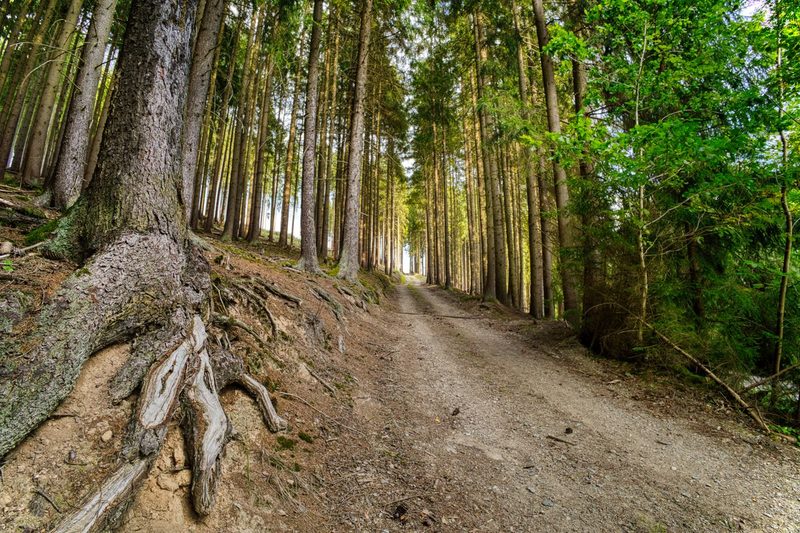
Roots don't punch through a drive from below. They grow where the conditions suit them, and the gap under a driveway suits them very well. Rainwater collects under the surface, condensation forms on the underside of tarmac, and the sub-base has air pockets that roots like. A root that starts as thick as a pencil can reach 150mm across within 15 to 20 years, and as it thickens it pushes up whatever is above it. That's what lifts kerbs and cracks tarmac in a straight line.
The opposite problem also happens. On the clay around Kingsteignton and the lower parts of Newton Abbot, a big thirsty tree can draw so much water out of the ground in a dry summer that the clay shrinks and the drive sinks. A mature oak can take up several hundred litres of water a day in midsummer. That's why some drives near trees bulge on one side and dip on the other. If you're not sure which you're dealing with, West County Driveways can come and look at the drive and the trees near it before you spend anything.
Devon Hedgebanks, Oaks and Sycamores on South Devon Plots
The Devon hedgebank is a stone-faced or earth bank with shrubs and trees on top. Devon has around 33,000 miles of hedges, more than any other county, and many rural and edge-of-town plots around Ashburton, Totnes and the lanes outside Newton Abbot have one running along the boundary or beside the drive. The trees growing out of them, usually oak, ash, sycamore, hazel and beech, root into the field or garden on either side, including under your drive.
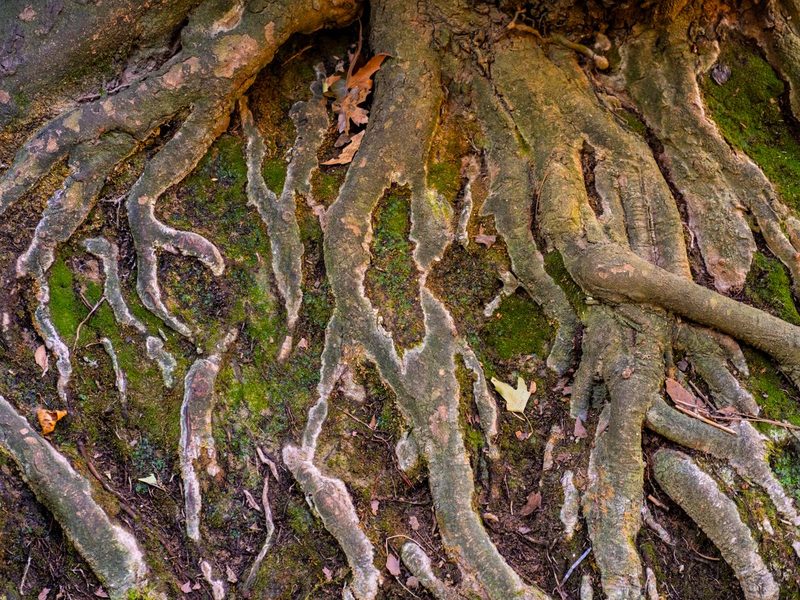
The trees that cause the most trouble
Sycamore and ash are the usual culprits on older drives in Teignmouth and Kingsteignton. Both grow quickly and send out shallow, spreading roots. Oak is slower but gets bigger and lives far longer, so its roots keep thickening for decades. Willow and poplar take a lot of water and are best kept at least 20 to 30 metres from a drive on clay.
Hedgebanks you can't just remove
Removing a countryside hedgerow can need permission from the council under the Hedgerows Regulations 1997, which cover most hedges over 20 metres long that border farmland, woodland or a lane. The government's guidance on countryside hedgerow rules explains when a removal notice is needed. Garden hedges are generally exempt, but on a rural plot it's worth checking before anyone takes a digger to the bank.
Which Driveway Surfaces Cope Best With Tree Roots?
No surface stops a determined root. Some just deal with the movement better than others.
Block paving: easiest to fix
Block paving is the most forgiving surface near trees. When roots lift a section, you can take up the blocks, deal with the root or regrade the base, and relay the same blocks. Blocks also let a little water through the joints, which keeps roots less desperate to head for the surface.
Tarmac: flexes but cracks along the root
Tarmac is flexible, so it copes with small movement for a while. Once a root gets to around 50 to 75mm thick under it, you'll see a raised ridge and then a crack running along the line of the root.
Resin bound: cracks and is hard to repair invisibly
Resin bound is laid as a thin rigid layer of 15 to 18mm over a solid base. When roots lift that base, the resin cracks, and patching it without a visible join is difficult because the stone mix and colour fade over time. It's usually the wrong choice within the root zone of a big tree unless the base is built specially for it.
Gravel and grid systems: the most root-friendly
Gravel laid in a plastic cellular grid is the most tolerant surface of all. It lets almost all rainwater through, air reaches the soil, and if a root moves the grid a little you just rake the gravel back. Under a big tree, it's often the first thing an arborist suggests.
Tree Preservation Orders and Conservation Areas in Teignbridge
Before anyone cuts a root or a branch, check whether the tree is protected. Teignbridge District Council has Tree Preservation Orders across Newton Abbot, Kingsteignton, Teignmouth and Ashburton, and conservation areas cover parts of all of those towns, plus Totnes under South Hams District Council. Cutting roots of a protected tree without consent is an offence, and fines for destroying one can be unlimited in the magistrates' court.
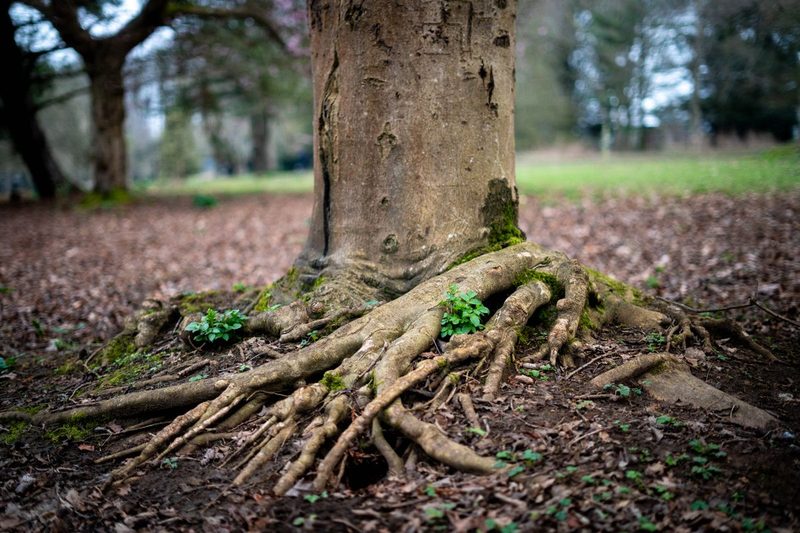
What the rules mean for driveways
A TPO protects the roots as well as the trunk and branches - and if you're unsure whether one applies, ask Teignbridge's tree officer before work starts. Cutting its roots or digging within its root protection area needs consent first, whatever the size of the root. In a conservation area, any tree with a trunk over 75mm across, measured 1.5 metres above the ground, needs six weeks' notice to the council before work. The government guidance on tree preservation orders and trees in conservation areas sets out how applications work. Decisions usually take up to eight weeks, so start early if you're planning a new drive in spring.
Root Barriers, No-Dig Builds and Permeable Surfaces Near Trees
You can block the roots, build over them without cutting any, or keep the soil healthy so they stay deep. Often it's a mix.
Root barriers
A root barrier is a tough plastic or fabric sheet set vertically in a trench, usually 600mm to 1 metre deep, between the tree and the drive. It steers roots down and away from the drive. Barriers suit younger trees and situations where the drive is a fair distance from the trunk. An arborist should check first that cutting the roots along the trench line won't harm the tree.
No-dig cellular confinement
Near a protected or valuable tree, the standard method is a no-dig build. Instead of digging 250mm out, a geotextile goes straight onto the existing ground, a 100 to 200mm plastic honeycomb grid goes on top and is filled with clean angular stone, then the surface goes over that. The grid spreads the load of a car so the soil underneath isn't squashed, and roots keep getting air and water. It's the approach set out in British Standard BS 5837 for building near trees. We explain how a standard sub-base differs in our guide to driveway sub-base and groundwork in Newton Abbot, which is worth reading alongside this.
Permeable surfaces
Roots head for the surface because that's where the water and air are trapped. A permeable drive lets rainwater soak through evenly, so roots have less reason to crowd directly under the paving. For a qualified opinion on a specific tree, the Arboricultural Association's directory of approved arborists is a good place to find someone independent.
Tree Root Driveway Repair vs Relay: Costs in 2026
Whether to repair or rebuild depends on how much of the drive is affected and whether the root can be dealt with. These are typical prices around Newton Abbot, Kingsteignton and Teignmouth in 2026:
- Lift and relay a lifted patch of block paving (3 to 6m2): £400 to £900
- Cut out and patch a root ridge in tarmac: £300 to £700
- Arborist root survey and report: £250 to £600
- Root barrier installation: £30 to £60 per linear metre
- No-dig cellular confinement base: £45 to £80 per m2 before the surface
- Full relay of a 50m2 drive near trees with a no-dig base and gravel or block: £4,500 to £8,500
If less than about 20% of the drive is affected and the tree can be managed, a repair usually makes sense. If roots run under most of the drive, or the drive is resin or old tarmac that will never match a patch, a full relay with a root-friendly base is better value over 15 to 20 years. Good groundworkers who are used to working around trees are in short supply across Teignbridge and the South Hams. In spring and summer they're often booked six to eight weeks ahead, so book well before you need the drive done.
Who Pays When a Neighbour's or Council Tree Damages Your Driveway?
The owner of the tree is normally responsible for damage its roots cause, as long as the damage was reasonably foreseeable. You're also allowed to cut roots back to your boundary, provided the tree isn't protected and the cutting doesn't kill or destabilise it.
Neighbour trees
Start with a friendly conversation and photos of the damage. If that doesn't work, a letter setting out the damage, the likely cause and a request to put it right is the next step, then your home insurance. Most buildings policies cover subsidence caused by tree roots, but many exclude driveways and paths unless the house itself is affected. The government guide to resolving neighbour disputes explains mediation and other steps before court.
Council street trees
For a street tree or a tree on a verge, report it to Devon County Council, which looks after highway trees, or Teignbridge if the tree is on council land. Send dated photos and keep a record. Councils will investigate, but claims are often refused unless there's clear evidence the root came from their tree, so an arborist's report linking the root to their tree helps.
Common Questions About Tree Roots and Driveways in Newton Abbot
Can I cut tree roots under my driveway?
If the tree isn't protected and the roots are on your side of the boundary, usually yes, but cutting large roots over 25mm across can harm or destabilise the tree. If the tree has a TPO or stands in a conservation area in Newton Abbot, Teignmouth or Ashburton, you need consent from Teignbridge District Council first.
What's the best driveway surface near trees?
Gravel in a cellular grid is the most root-friendly, followed by block paving because it can be lifted and relaid. Tarmac copes with small movement but cracks along roots. Resin bound is the hardest to repair invisibly and is generally best avoided in the root zone of large trees.
How much does it cost to fix a driveway lifted by tree roots?
Small block-paving repairs usually cost £400 to £900 and tarmac patches £300 to £700 in 2026. A full relay of a 50m2 drive near trees with a no-dig base typically costs £4,500 to £8,500, depending on access and surface.
Is my neighbour responsible if their tree roots damage my drive?
Normally the tree owner is responsible if the damage was foreseeable. Start by talking to them with photos, then put it in writing, and check your home insurance. For street trees, contact Devon County Council with dated evidence.
You might also like
West County Driveways