Driveway Size Newton Abbot: How Big for One, Two or Three Cars?
Getting the driveway size right in Newton Abbot matters more than most people expect. The old UK parking bay of 2.4m x 4.8m was drawn up for family hatchbacks, and today's best-selling cars are around 10-15% bigger - a Kia Sportage is about 4.5m long and roughly 2.1m wide with its mirrors out. Add a door that needs 0.7m to swing open, a wheelie bin or three and an EV charger on the wall, and a "two-car" drive can quietly become a one-and-a-half-car drive. Newton Abbot also gets something like 950-1,050mm of rain a year, close to the UK average of about 1,160mm and much less than the moor just up the road, and plenty of its streets climb steeply out of the Teign and Lemon valleys. This guide gives you the measurements that actually work, how size changes the price per m2 in 2026, and where the council rules come in.
Driveway Size in Newton Abbot for a Single Car
For one car, plan on 3.0m wide by 5.5m deep as a working minimum. That's 16.5m2. It gives a mid-sized SUV around 0.45m of clearance on each side and leaves enough length to walk past the bumper without squeezing against a garage door or front wall.
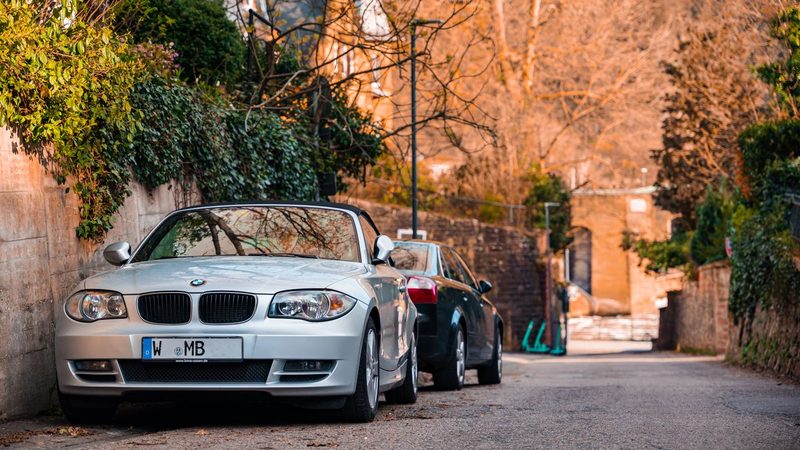
Can you go smaller? Yes, but you'll feel it. At 2.5m wide, which still shows up on a lot of older plans, a family car leaves about 0.2m each side once the mirrors are out. If there's a wall or fence on one side, you won't get the driver's door open far enough to climb out comfortably, and kids' car seats become a daily wrestle.
If you're unsure whether your frontage gives you that 3.0m clear width once gateposts and pillars are measured in, West County Driveways can measure up and tell you straight what will fit before you commit to anything.
Allowing for door opening space
Most car doors need 0.7-0.9m to open far enough to get out without contortions. Rear doors on bigger SUVs can need nearly 1m. So the rule we use is simple: if one side of the parking space is a wall, hedge or fence, add 0.6m to the width. If both sides are hemmed in, add 1.0-1.2m. Open lawn or a low kerb on one side doesn't count as a barrier, because you can step out over it.
Two-Car Driveway Sizes: Side by Side or Nose to Tail
Side by side, two cars need about 5.5-6.0m of width and 5.5m of depth, which works out at 30-33m2. That allows a strip of roughly 0.8m between the cars so both inside doors can open at once. Squeeze the width to 4.8m and you'll be opening doors in turns, which gets old fast on a wet Monday morning.
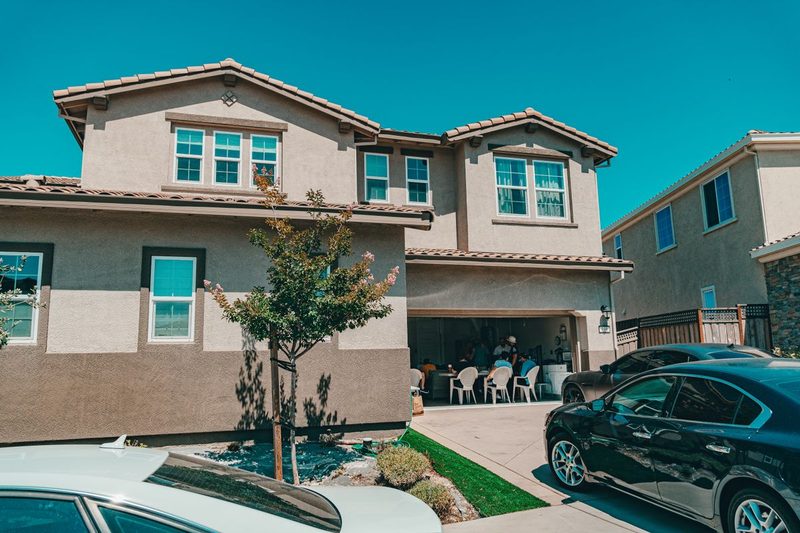
Tandem parking, one car behind the other, needs around 3.0m wide by 10.5-11m deep. It's common on newer estates around Kingsteignton, where plots are narrow but long. It uses less frontage but means shuffling cars, and plenty of tandem households end up leaving one car on the road anyway.
We've written separately about turning a front garden into a driveway in Newton Abbot, which is worth reading if getting to two spaces means losing the lawn.
Three Cars, Big SUVs and Vans on One Drive
Three cars side by side need about 8.5-9.0m of width by 5.5m deep, or roughly 47-50m2. That's a wide frontage by Newton Abbot standards, and most homes that manage three spaces do it as two side by side plus one in tandem, which comes in at about 6.0m x 11m, or 66m2 once you allow a strip down the side.
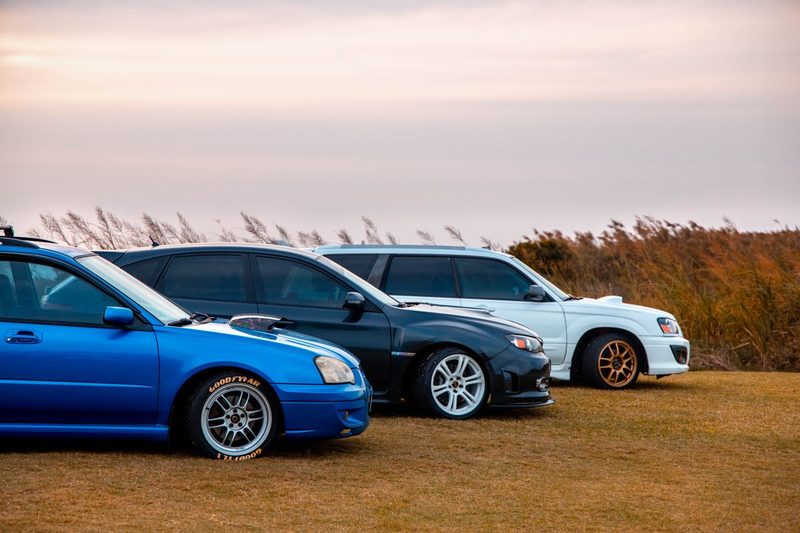
Bigger vehicles change the sums. A large SUV or pick-up can be 5.0-5.4m long, and a medium panel van like a Transit Custom is about 5.0m long and well over 2.0m wide with mirrors. For anything that size, add at least 0.5m to the depth so the rear doesn't overhang the pavement. That matters legally too, because a car hanging over the footway can still get you a parking ticket on your own drive.
EV Chargers, Bin Stores and the Bits People Forget
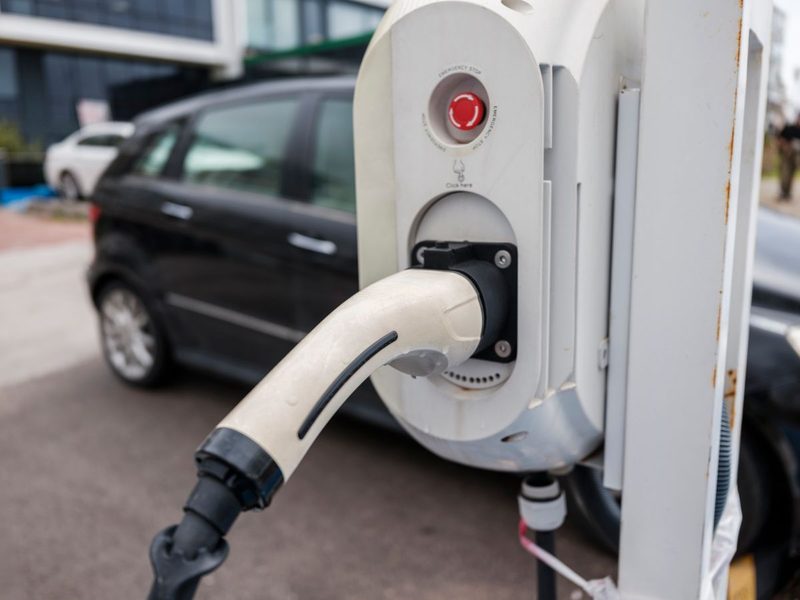
A wall charger itself takes up almost nothing, but you need a clear path to reach it. Leave a 0.6m walkway between the car and the wall where the unit is mounted, and position the charger within about 1m of where the charging port will sit on the car. Most leads are 5m or 7.5m long, so a charger at the far end of a 6m-wide drive can leave a cable trailing across the second space.
Bins are the other one. Teignbridge households typically have a black wheelie bin, a recycling box or bin and a food caddy, plus a garden waste bin for many. A neat bin store for two or three wheelie bins needs about 1.5-2.0m x 0.8m of floor space. If it isn't on the drawing, the bins end up parked in the gap between the cars, and the 0.8m door strip disappears.
A quick checklist before you settle on dimensions:
- Measure your largest car with mirrors out, not the brochure width
- Mark the door-swing zone on any side with a wall
- Decide where the bins live and add that area
- Allow a 0.6m walkway to the front door and the charger
Turning Space vs Reversing Out Onto a Busy Road
On a quiet cul-de-sac, reversing out is normal and nobody worries. On a main road through Newton Abbot, or a busy route into Teignmouth, backing blind across a pavement and into traffic is a different matter. A turning head inside the drive, so you can leave in forward gear, takes a lot more space than people think: a simple hammerhead usually needs an extra spur around 3.0m wide by 5.0-6.0m long off the main parking area, adding 15-18m2.
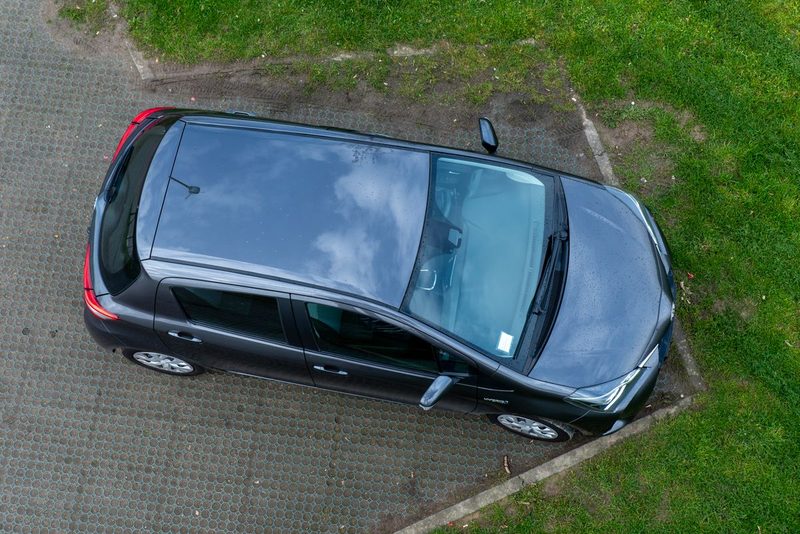
Planning permission is usually needed for a new access onto a classified A, B or C road, and Devon County Council, as highway authority, will often want to see turning space on those applications so cars can leave in forward gear. On unclassified residential streets it's generally your choice.
When turning space is worth the extra cost
If you've got the room and you're on a road with a 30mph limit or higher, it's worth it. At around £70-£110 per m2 for the extra area, a 16m2 turning spur adds roughly £1,100-£1,800 to a job. Against the risk of reversing into a cyclist you didn't see over a hedge, that's not much.
Narrow Devon Plots and Steep Slopes
A lot of Newton Abbot's Victorian and Edwardian terraces have frontages of 4.0-5.0m, and the hillside streets above the town centre can have gradients that make 5.5m of level depth hard to find. Teignmouth has the same problem, only tighter. On a narrow frontage the honest answer is usually one car parked well, not two parked badly.
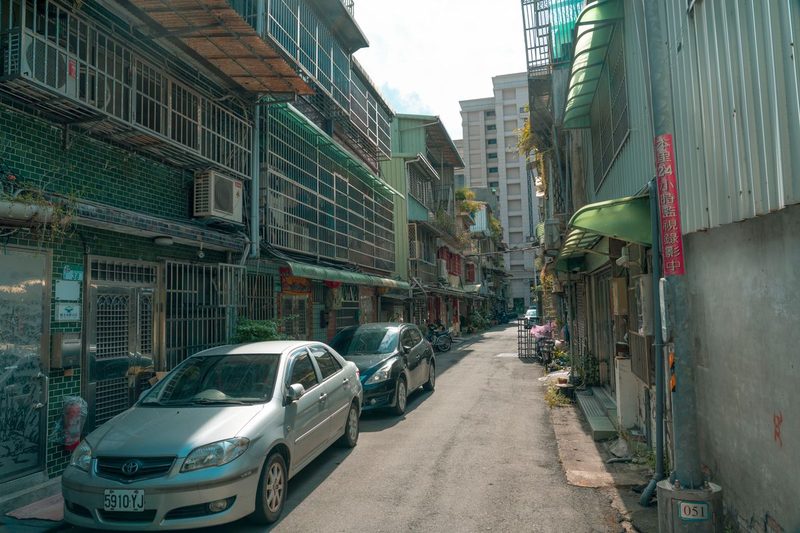
Slope eats into usable size in two ways. First, a car parked on a steep drive needs more length, because you'll want a flatter landing at the top so doors don't swing shut on you. Second, the first 2-3m from the pavement needs a gentle transition, ideally no steeper than about 1 in 12, so low-slung cars don't scrape at the kerb. Most installers aim to keep the main parking area no steeper than around 1 in 8. Steeper than that, and you're into retaining walls or stepped levels, which can add £2,000-£6,000.
Rain makes it worse. The South West sees around 150-160 wet days a year, and a sloping drive sheds that water straight towards the house or the road unless it's caught by a channel drain. Budget £40-£80 per linear metre for one across the bottom.
Driveway Size in Newton Abbot and the Cost per m2 in 2026
Size drives the price, but not in a straight line. Every job has fixed costs - getting a crew and plant to site, skip hire, edging setup, the dropped kerb paperwork - that come to around £600-£1,200 whatever the area. Spread across a small drive, that bumps up the price per m2. Across a big one, it barely registers.
Typical 2026 prices around Newton Abbot, including dig-out and a new sub-base:
- Tarmac: £85-£110 per m2 on a small drive (15-20m2), £65-£85 on a two-car drive (30-35m2), £55-£70 on a large drive (50m2+)
- Block paving: £110-£145 per m2 small, £85-£115 two-car, £75-£100 large
- Resin bound: £120-£160 per m2 small, £90-£120 two-car, £80-£105 large
So a single-car tarmac drive at 16.5m2 might cost £1,400-£1,800, while a 33m2 two-car version comes in around £2,150-£2,800. Double the area, roughly 1.5x the price. Local supply plays a part too: there are fewer driveway firms in Teignbridge than in bigger towns, and spring and summer lead times often run to 4-8 weeks, so quotes rarely come in cheap in May.
Dropped Kerbs and the 5m2 Permeable Rule
Your drive can be any size you like on your own land, but getting a car onto it means crossing the pavement legally. Devon County Council is the highway authority, and its guidance on applying for a dropped kerb sets out the rules. The space behind the crossing needs a clear minimum of 5m depth and 2.7m width for a standard car, and the council won't take the size of your own vehicle into account. There's no fixed maximum crossing width, but each site is assessed for safety and the effect on street parking, and only one crossing per home is allowed. A contractor applies for the licence on your behalf (£568), and the works themselves usually cost £1,500-£3,000. You'll also need to be at least 10m from a junction with a minor road, or 15m from an A, B or C road.
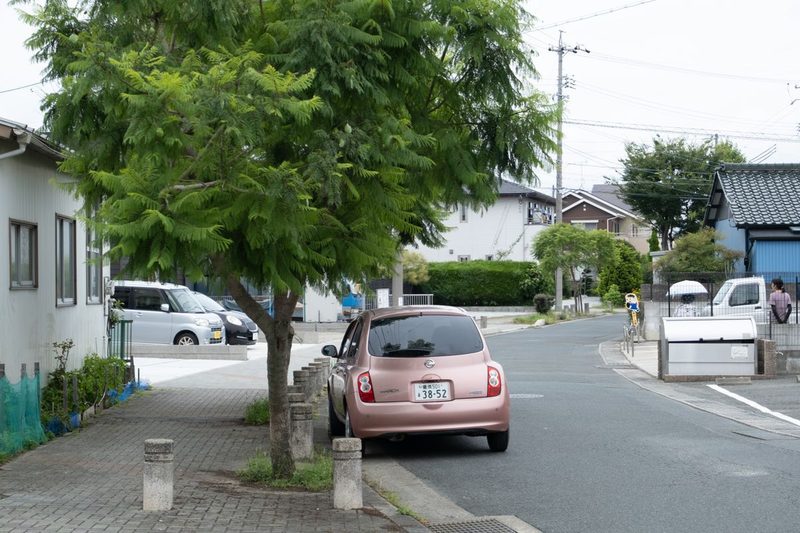
The 5m2 rule catches people out with bigger drives. If you're paving more than 5m2 of a front garden with a surface that doesn't let water through, and the water isn't directed to a lawn, border or soakaway on your property, you need planning permission. The government's guidance on permeable surfacing of front gardens explains what counts. Resin bound, permeable block paving and porous tarmac all get around it, and so does standard tarmac laid to fall into a drained border. It only applies to the front garden, not a drive at the side or back.
The Planning Portal's page on paving your front garden is a useful second check if you're on a corner plot or in a conservation area, where the rules tighten.
Frequently Asked Questions About Driveway Size in Newton Abbot
What is the minimum driveway size for one car in Newton Abbot?
Devon County Council wants a clear area of at least 5m deep by 2.7m wide behind any new dropped kerb. In practice, 3.0m x 5.5m (16.5m2) is a more comfortable minimum for a modern family car, and you'll need more width if there's a wall on one side.
How wide does a driveway need to be for two cars side by side?
Aim for 5.5-6.0m wide by 5.5m deep, which is about 30-33m2. At 4.8m wide the cars will fit, but you won't be able to open both inside doors at once.
Do I need planning permission for a large driveway in Newton Abbot?
Not usually for size alone. You need it if you pave more than 5m2 of a front garden with an impermeable surface that drains onto the road, if the access joins a classified A, B or C road, or if the property is listed or in a conservation area.
Is a bigger driveway cheaper per square metre?
Yes. Fixed costs of around £600-£1,200 per job are spread over more area, so a 50m2 tarmac drive might cost £55-£70 per m2 while a 16m2 one costs £85-£110 per m2.
You might also like
West County Driveways