Turning a Front Garden into a Driveway in Newton Abbot: Rules, Dropped Kerbs and Costs
Turning a front garden into a driveway in Newton Abbot is one of the most useful jobs you can do to a house, and one of the easiest to get wrong. The paving is the simple bit. What catches people out is everything around it: the kerb outside, the wall at the front, the slope, and the rules about where rainwater goes. Devon County Council won't approve a vehicle crossing unless there's room for a parking space at least 2.7 metres wide and 5 metres deep, or 6 metres if you plan to fit gates. Plenty of Victorian terraces in the middle of town fall short of that by half a metre. On top of that, any front garden paved over 5m2 with a sealed surface needs planning permission unless the water soaks away on your own land. And with roughly 900 to 1,000mm of rain a year here, drainage gets taken seriously. This guide walks through the whole conversion in the order it actually happens, with 2026 costs for South Devon.
Is Your Front Garden Big Enough to Become a Driveway?
Start with a tape measure, not a quote. Devon's guidance for vehicle crossings sets out minimum parking space sizes, and these decide whether the project is possible at all. For a car parked nose-in, you need at least 2.7m by 5m inside your boundary, rising to 6m long if gates are going in. If the car would sit side-on to the road, the space needs to be 6.5m long. The point of the rule is simple: a parked car must not hang over the pavement.
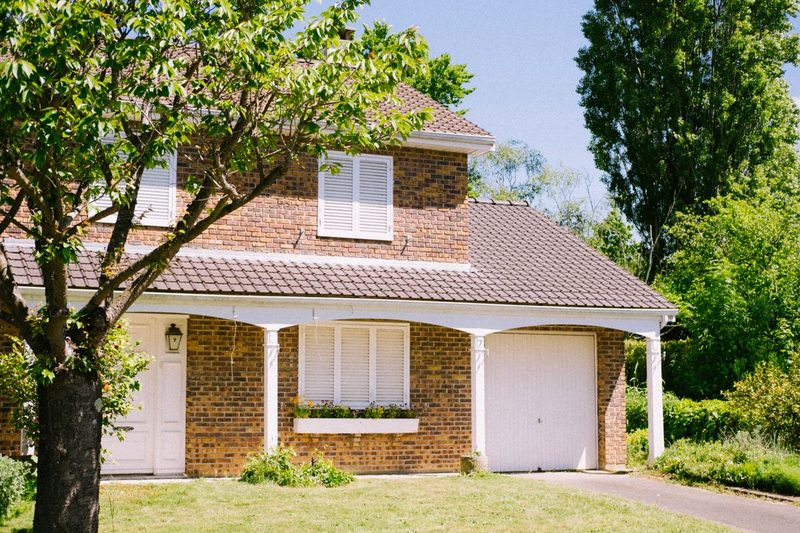
In practice, most semi-detached and detached houses around Kingsteignton, Ogwell and the newer estates in Newton Abbot pass easily. The tighter cases are the older terraced streets and some of the town houses in Teignmouth, where front gardens can be as shallow as 3 to 4 metres. If yours is close to the line, measure from the back of the pavement to the front wall of the house, not from the garden wall, because the old wall is usually coming out anyway. If you'd rather someone else did the measuring, the team at West County Driveways will check the frontage and tell you honestly whether a car will fit before you pay for any design work.
Width matters too. Devon allows a dropped kerb of 2.7m to 3.6m for a single nose-in space. Two cars side by side usually means two bays, each meeting the same sizes, so a frontage under about 5.5m wide will normally only take one car.
Permitted Development Rules for Turning a Front Garden into a Driveway
Most houses can turn a front garden into a driveway without a planning application. Three things can change that.
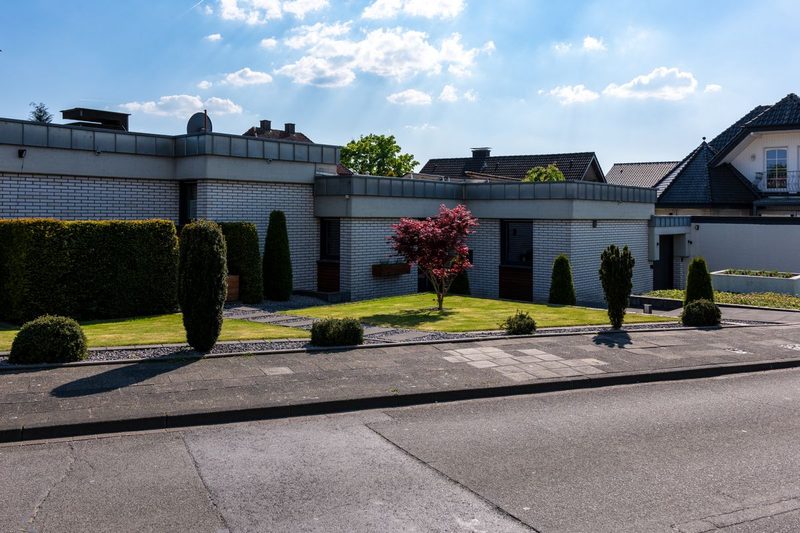
The first is drainage. Since October 2008, covering more than 5m2 of a house's front garden with a non-permeable surface that drains onto the road needs planning permission. Use a permeable surface, or slope a sealed one so water runs into a lawn, border or soakaway inside the boundary, and you're fine. The government's permeable surfacing guidance for front gardens explains what qualifies.
The second is the road. If your house fronts an A, B or C road, creating a new access needs planning permission from the district council before Devon will even look at the crossing. Around Newton Abbot that catches homes along the A381 and A383, and some of the older through routes in Kingskerswell.
The third is the property type. Flats and maisonettes don't have householder permitted development rights, and listed buildings or homes in a conservation area come with extra limits, especially on walls (more on that below). The government's permitted development technical guidance for householders is the document planners themselves refer to.
More on surfaces that pass the 5m2 rule
We went through each permeable option, along with how clay and shale ground around Teignbridge affects drainage, in our recent guide to permeable driveways and SuDS rules in Newton Abbot. If you're stuck between resin and block paving for a converted garden, read that next.
Getting a Dropped Kerb Through Devon County Council
A driveway you can't legally drive onto is just a very expensive patio. In most of Teignbridge and the South Hams, Devon County Council is the highway authority, and it handles every dropped kerb. Paignton and Brixham are different: Torbay Council is its own highway authority, so the rules and fees there come from Torbay instead.
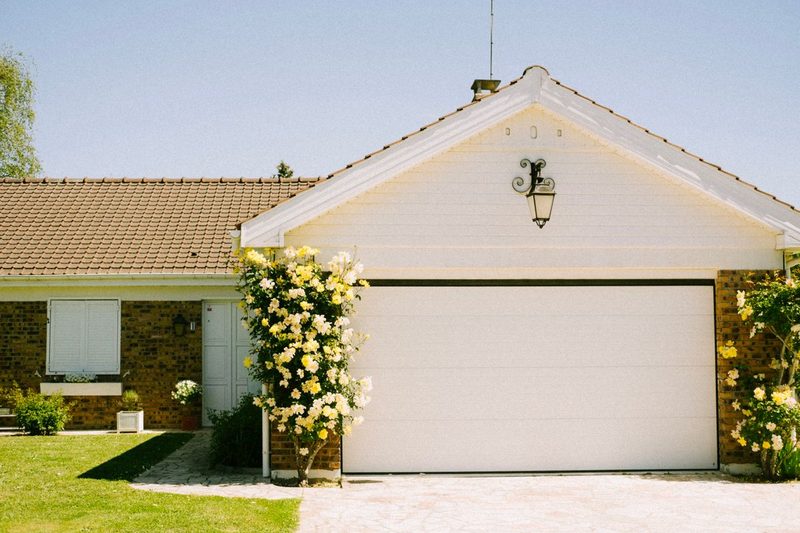
Here's what surprises most people. In Devon, the homeowner doesn't apply. The contractor does. Devon's vehicle crossings guidance makes the applicant the licensed contractor, who must hold street works accreditation and at least £5 million of public liability insurance. The council wants 20 working days' notice, carries out a site visit, and inspects the work three times: during the build, after 6 months and after 2 years. Only once it passes that 2-year check does the council take the crossing over.
What Devon checks on site
- Distance from junctions: no crossing within 15m of a junction, or 10m on minor roads
- Visibility: on a 30mph road, a driver pulling out needs a clear view of 43m each way, between 0.6m and 2m above the ground
- Street furniture within 1m of the crossing, such as lamp posts or utility covers, which may need moving at your cost
- Drainage: water from your driveway must not run onto the highway, and channel drains must connect to your own drainage
- Gravel: loose surfaces need a gravel trap so stones don't end up on the pavement
- Gates: they must open inwards
If a crossing would mean changing parking restrictions on the street, a Traffic Regulation Order is needed. Devon puts the typical cost at around £3,000 and the timescale at 9 to 12 months, which is enough to stop most projects.
Sloped Frontages Around Newton Abbot, Teignmouth and Dartmouth
South Devon is not flat, and the slope is often what decides the price. Plenty of houses in Highweek, Wolborough, the upper parts of Teignmouth and almost all of Dartmouth sit above or below the road.
Gardens that rise from the road
When the garden climbs away from the pavement, the usual answer is to dig it down to a workable gradient and hold back the ground at the sides with retaining walls. Most cars cope with about 1 in 8 at the most, and a short level stretch at the entrance stops the underside scraping where the drive meets the pavement. The digging adds up quickly. Taking a 30m2 garden down by an average of half a metre produces around 15 cubic metres of soil, which bulks up to more like 25 to 30 tonnes once it's dug, and every tonne has to be loaded and taken away.
Gardens that fall away from the road
When the garden drops below the pavement, the job flips. The ground has to be built up with compacted stone, and the downhill edge needs a proper retaining wall. Water is the bigger issue here. Rain from the road and pavement runs straight towards the house, so a channel drain across the entrance is close to essential. Retaining walls taller than about 1.2 to 1.5m generally need an engineer's design, and that's worth paying for on any wall holding back a car.
Walls, Hedges and Gate Pillars Along the Front
Nearly every conversion starts with something coming down. Outside a conservation area, demolishing a front wall is normally permitted development. Inside one, taking down a wall over 1m high next to a road usually needs planning permission. Several of the older parts of Newton Abbot, Totnes, Ashburton and Dartmouth are conservation areas, so check before the stone comes out.
Building new is simpler. A new wall, fence or gate next to a road used by vehicles can be up to 1m high without permission. Anything taller needs planning consent, and remember Devon's visibility rule: a 1.5m pillar right beside the entrance can block the sight line the crossing depends on.
Hedges bring a different rule. Nesting birds are protected under the Wildlife and Countryside Act 1981, and the main nesting season runs from roughly March to August. Rip out a mature hedge in May without checking it and the job can stop dead until the chicks have flown. Old Devon hedge banks, the stone-faced earth banks found along rural frontages around Ashburton and the villages, are also bigger jobs than they look, often 1 to 1.5m thick at the base.
Front Garden to Driveway Conversion Costs in South Devon
These are 2026 guide prices for a typical 30 to 45m2 front garden in the Newton Abbot area. Every site varies, and slopes, access and what's buried under the lawn move the numbers.
- Clearing the garden, digging out and removing spoil on a level plot: £1,200 to £2,500
- Extra dig and spoil removal on a sloping plot: £1,500 to £4,000 on top
- Taking down an existing front wall: £300 to £900, depending on length and material
- New retaining walls: £250 to £500 per linear metre, more where an engineer's design is needed
- Sub-base and surface: around £50 to £75 per m2 for tarmac, £70 to £110 for resin bound, £75 to £120 for block paving
- Channel drain and soakaway: £900 to £3,000
- Dropped kerb, standard single width: £1,100 to £2,200 including Devon's fees
- Moving a lamp post or utility cover in the pavement: £900 to £4,000, sometimes more
Put together, a simple level conversion with a dropped kerb usually lands at £6,000 to £10,000. A sloping or walled frontage with retaining walls tends to run from £10,000 to £18,000. It's money you tend to get back. A usable off-street space commonly adds £5,000 to £15,000 to a house's value depending on the street, and on roads where parking is tight it's often the first thing buyers ask about.
When to Book: South Devon Weather and Trade Diaries
The order matters more than the season. Get the crossing approved before any digging starts, because a refused crossing leaves you with a paved garden and nowhere legal to drive. In practice that means allowing 6 to 10 weeks for the paperwork, longer if planning permission is needed for a classified road.
The weather then shapes the build. South Devon winters are mild, with fewer frosts than most of England, but they're long and wet, and October to January is the wettest stretch. Digging out clay in the Teign valley in December turns the site into a mud bath, and resin can't be laid on a damp base. Spring and early autumn are the best times to dig.
Local groundworkers fill up fast. Experienced crews across Teignbridge and the South Hams are often booked 4 to 8 weeks ahead between April and September, and fewer still are accredited to dig in the highway. Getting your survey done in late winter is the easiest way to land a spring start.
Front Garden Driveway Questions From South Devon Homeowners
Do I need planning permission to turn my front garden into a driveway in Newton Abbot?
Usually not, as long as the surface is permeable or the water drains onto your own land, and your house doesn't front an A, B or C road. Flats, listed buildings and homes in conservation areas should check first, especially if a front wall is coming down.
Who applies for the dropped kerb in Devon?
The contractor. Devon County Council issues the licence to an accredited contractor with at least £5 million of public liability insurance, not to the homeowner. In Paignton and Brixham, Torbay Council handles dropped kerbs instead.
How deep does my front garden need to be for a driveway?
Devon's guidance asks for at least 5m from the boundary for a nose-in parking space, or 6m if you'll have gates, and at least 2.7m wide. Side-on parking needs 6.5m of length.
How much does it cost to turn a front garden into a driveway in South Devon?
A simple level conversion with a dropped kerb usually costs £6,000 to £10,000 in 2026. Sloping plots that need digging out and retaining walls often come to £10,000 to £18,000.
You might also like
West County Driveways