Permeable Driveways in Newton Abbot: SuDS Rules, Surfaces and Costs
If you're planning a permeable driveway in Newton Abbot, the rule that matters most is older than most people expect. Since 1 October 2008, paving more than 5 square metres of a front garden with a hard surface that sheds water onto the road needs planning permission. Plenty of homeowners in Teignbridge have never heard of it, and some contractors still lay sealed tarmac straight to the kerb without mentioning it. The reason behind the rule is easy to see on a wet day in South Devon. Newton Abbot gets roughly 900 to 1,000mm of rain a year, Ashburton on the edge of Dartmoor gets well over that, and when a few hundred front gardens on one street are sealed over, every one of those millimetres ends up in a drain that was sized decades ago. A permeable driveway lets the water soak away where it lands. Pick the right surface and you don't need to apply for anything. This guide covers what the rule says, which surfaces pass, how local soils behave and what each option costs in 2026.
What the Permeable Driveway Rule Says for Newton Abbot Front Gardens
The rule sits in the permitted development rights for houses. You can lay a new hard surface in your front garden without planning permission if one of two things is true. Either the surface itself is permeable, so rain passes through it into the ground, or the water from a non-permeable surface is directed to a lawn, flower border or soakaway inside your own boundary. If neither applies and the area is over 5m2, you need to apply to Teignbridge District Council.

A few details trip people up. The 5m2 limit counts the whole front area being paved, not just the new bit, so adding a second parking bay to an existing sealed driveway can push you over. Flats and maisonettes don't have the same permitted development rights, so any front-garden paving there needs a proper check first. And the rule is about the front of the house. Back gardens are not covered by it, although the same drainage sense applies. If you're not sure where your plans sit, the team at West County Driveways can look at the site and tell you which route you're on before you spend anything.
The government published guidance on permeable surfacing of front gardens when the rule came in, and it's still the clearest explanation of what counts as permeable and why.
Why Rain on Teignbridge Driveways Has to Go Somewhere
Newton Abbot sits low, where the River Lemon meets the Teign, and the town has a long history of flooding when heavy rain on the higher ground funnels down the valleys. Most of the older streets drain into combined sewers, which carry both rainwater and foul water in the same pipe. When those pipes fill during a downpour, the overflow has to go somewhere, and it usually ends up in the river or backing up into low gardens.

The Met Office climate averages show how wet this corner of Devon is. England as a whole averages around 850mm of rain a year. Newton Abbot is a little above that, and the Dartmoor-edge towns such as Ashburton and Buckfastleigh can see 1,400mm or more. Winters here are mild, with fewer frosts than most of England, but they're long and damp, and the wettest stretch typically runs from October to January. A 50m2 sealed driveway in Newton Abbot sheds somewhere around 45,000 to 50,000 litres of water a year. That is a lot of water to push onto the pavement.
A permeable surface holds that water back. It soaks into the sub-base and then into the ground over hours rather than minutes, which takes the peak off the flow. Across a whole street, that's the difference between a drain coping and a drain backing up.
Permeable Driveway Surfaces That Meet SuDS Rules
SuDS stands for sustainable drainage systems. For a single driveway, it just means managing rain on site instead of sending it straight to a drain. Four surfaces do the job. None of them is perfect for every drive.
Resin bound on a permeable base
Resin bound aggregate is porous by nature. The stones are coated in resin and trowelled flat, but small gaps stay open between them, so water drains straight through. Around 30% of the finished layer is void space. The catch is what sits underneath. Resin bound laid on open-graded asphalt or a no-fines concrete base is permeable all the way down. Resin bound laid over old, cracked tarmac or a solid concrete slab is not, because the water reaches the old surface and runs off sideways. If a quote for a "permeable resin driveway" involves overlaying an existing sealed drive, ask where the water goes.
Permeable block paving
Permeable block paving looks almost the same as ordinary block paving. The difference is in the joints and the layers below. The blocks have small spacer nibs that leave 5 to 10mm gaps, filled with fine grit instead of kiln-dried sand, and they sit on a deep bed of clean crushed stone with no fines. Water runs through the joints and is stored in that stone layer before it soaks away. On a well-built system, almost all of the rain falling on the surface goes through.
Gravel with a stabilising grid
Loose gravel on its own is permeable, but on a sloping Devon driveway it migrates downhill and into the road within a year or two. A plastic honeycomb grid fixes that. The cells hold the gravel in place, take the weight of a car and still let water straight through. It's the cheapest permeable option and one of the easiest to keep tidy.
Porous tarmac
Porous asphalt has most of the fine material taken out of the mix, which leaves it full of small connected voids. It looks like a slightly coarser version of normal tarmac. It needs a deep open sub-base and suits larger, flatter drives better than tight sloping ones. It's also less common on domestic jobs, so fewer local crews lay it regularly.
Clay, Shale and Limestone: Will Your Ground Around Newton Abbot Drain?
A permeable surface only works if the ground underneath can take the water. Around Newton Abbot, that varies a lot within a short distance. Parts of Kingsteignton and the Bovey Basin sit on heavy clay, the same deposits that have been dug commercially for ball clay for centuries. Much of the higher ground is Devonian slate and shale, which drains slowly where it's weathered. Pockets of limestone around Ogwell and towards Torbay drain far better. River gravels near the Teign can drain quickly but may sit close to a high water table in winter.
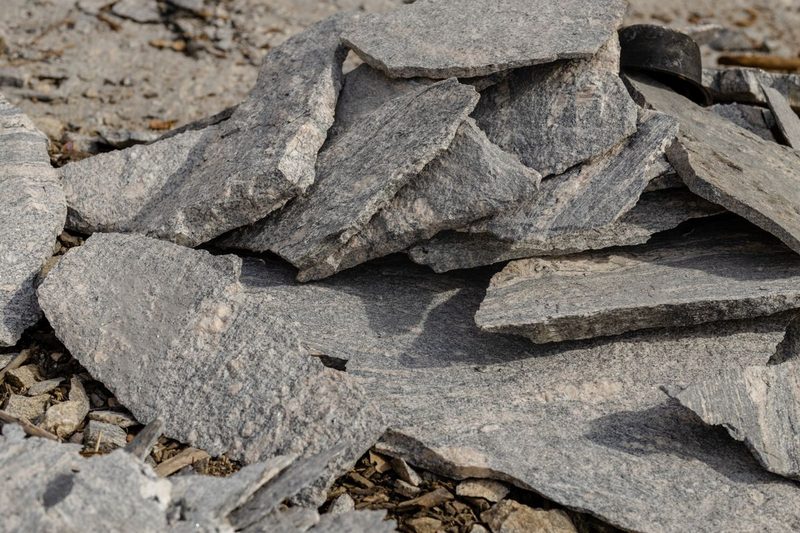
On heavy clay, rain might soak away at only a few millimetres an hour, sometimes less. That doesn't rule out a permeable driveway. It just means the design changes. Instead of relying on full infiltration, the sub-base is made deeper so it can store a downpour, and a slow-release outlet or overflow pipe takes the surplus to a soakaway or a planted border. Installers call this partial infiltration.
You can't tell by looking. A percolation test means digging a trial pit, filling it with water and timing how fast it drops, usually three times over. It adds a few hours to the survey, which is nothing next to the cost of a drive that floods every January.
What we've covered on planning before
We've written about the wider rules in our guide to whether you need planning permission for a tarmac driveway in Newton Abbot, which covers dropped kerbs, conservation areas and listed buildings. If your property sits in one of those, read that first, because the permeable rule is only one piece of the picture.
Soakaways, Rain Gardens and Channel Drains for Non-Permeable Driveways
You can still have standard tarmac, sealed block paving or a concrete drive without planning permission. The water just has to go somewhere inside your boundary that lets it soak in. There are three common ways to do that.
The simplest is to lay the drive with a fall of around 1 in 60 towards a lawn or flower bed, so rain runs off the edge and soaks into soil. This works well on wide plots with a decent strip of garden alongside. A rain garden takes the same idea further: a shallow planted dip filled with free-draining soil that can take more water and still look like part of the garden.
Where there's no space for that, a channel drain (often called an ACO drain) across the bottom of the drive collects the water and pipes it to a soakaway. A soakaway is a buried pit or a set of plastic crates wrapped in membrane that stores water and lets it seep out. Building Regulations guidance says it should sit at least 5 metres from the house, and on clay it needs to be bigger than on free-draining ground. On a steep Teignbridge plot with clay below, it's often simpler and cheaper to switch to a permeable surface than to build a large soakaway.
Permeable Driveway Costs in Newton Abbot and South Devon in 2026
Prices below are guide figures for a straightforward 40 to 60m2 drive in the Newton Abbot area, including excavation and a suitable sub-base. Sloping sites, poor access and extra digging on clay will move them up.

- Gravel with a stabilising grid: £40 to £70 per m2
- Resin bound on a permeable base: £70 to £110 per m2
- Permeable block paving: £75 to £120 per m2
- Porous tarmac: £65 to £95 per m2
- Channel drain across the drive: £60 to £120 per metre fitted
- Crate soakaway for a non-permeable drive: £800 to £2,500 depending on size and ground
For comparison, a householder planning application in England costs £528 in council fees alone, before drawings or a drainage report. Waiting eight weeks for a decision also means losing a chunk of the dry season, which in South Devon is short enough already.
There's a local labour angle too. Experienced groundworkers are in steady demand across Teignbridge and the South Hams, and good crews are often booked several weeks ahead from April to September. Permeable block paving and porous asphalt need specific knowledge of open-graded sub-bases, and not every crew lays them often. Ask any installer how many permeable drives they've done in the last year and where the water goes on each one.
What Happens If a Driveway Breaks the Permeable Rule
Teignbridge District Council can take enforcement action against non-compliant front-garden paving, though in practice most cases come to light through a neighbour complaint or when a house is sold. Buyers' solicitors increasingly ask when a driveway was laid and whether it needed consent. A sealed drive laid after 2008 with water running onto the road can raise awkward questions at exactly the wrong moment.
Then there's the house itself. A sealed drive that sheds water towards the house can push it against walls and doorsteps, and in a heavy Devon downpour that can mean damp patches or worse. Water ponding at the bottom of a sloping drive freezes on the few cold nights South Devon does get, which turns the lowest point into an ice patch.
The fix up front is cheap. In most cases, choosing a permeable surface adds between nothing and about 15% to the price of the equivalent sealed one, and it takes the planning question off the table entirely. The Planning Portal's guide to paving your front garden sets out the same rules in short form if you want to double-check before talking to an installer.
Common Questions About Permeable Driveways in Newton Abbot
Do I need planning permission for a new driveway in Newton Abbot?
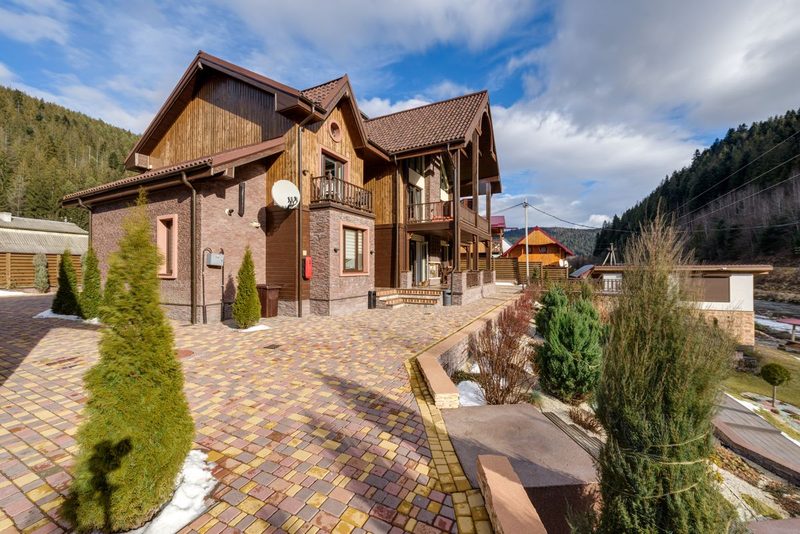
Not if it's permeable, or if rainwater runs off to a lawn, border or soakaway within your property. You only need permission if you're paving more than 5m2 of a house's front garden with a non-permeable surface that drains onto the road or into a drain. Flats and maisonettes should always check first.
Is a resin driveway permeable?
Resin bound is, as long as it's laid on a permeable base such as open-graded asphalt or no-fines concrete. Resin bonded, where stones are scattered onto a resin coat, is not permeable, and neither is resin bound laid over an old sealed tarmac or concrete surface.
Will a permeable driveway work on clay soil around Kingsteignton?
Yes, with the right design. On heavy clay the sub-base is made deeper to store water during a downpour, and an overflow takes any surplus to a soakaway or planted border. A percolation test at the survey stage shows how fast your ground drains.
How much does a permeable driveway cost in South Devon?
Guide prices for 2026 run from about £40 to £70 per m2 for gravel with a grid, up to £75 to £120 per m2 for permeable block paving. Slopes, access and clay ground can push the cost higher.
You might also like
West County Driveways