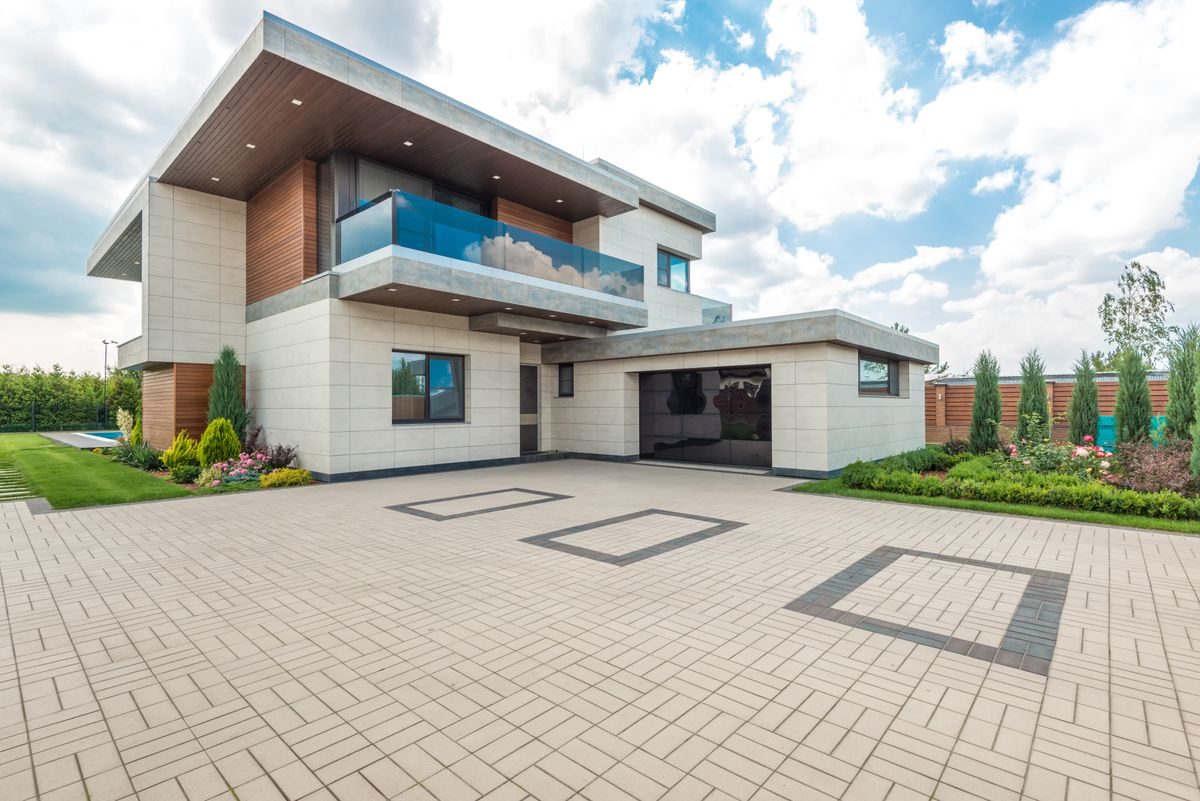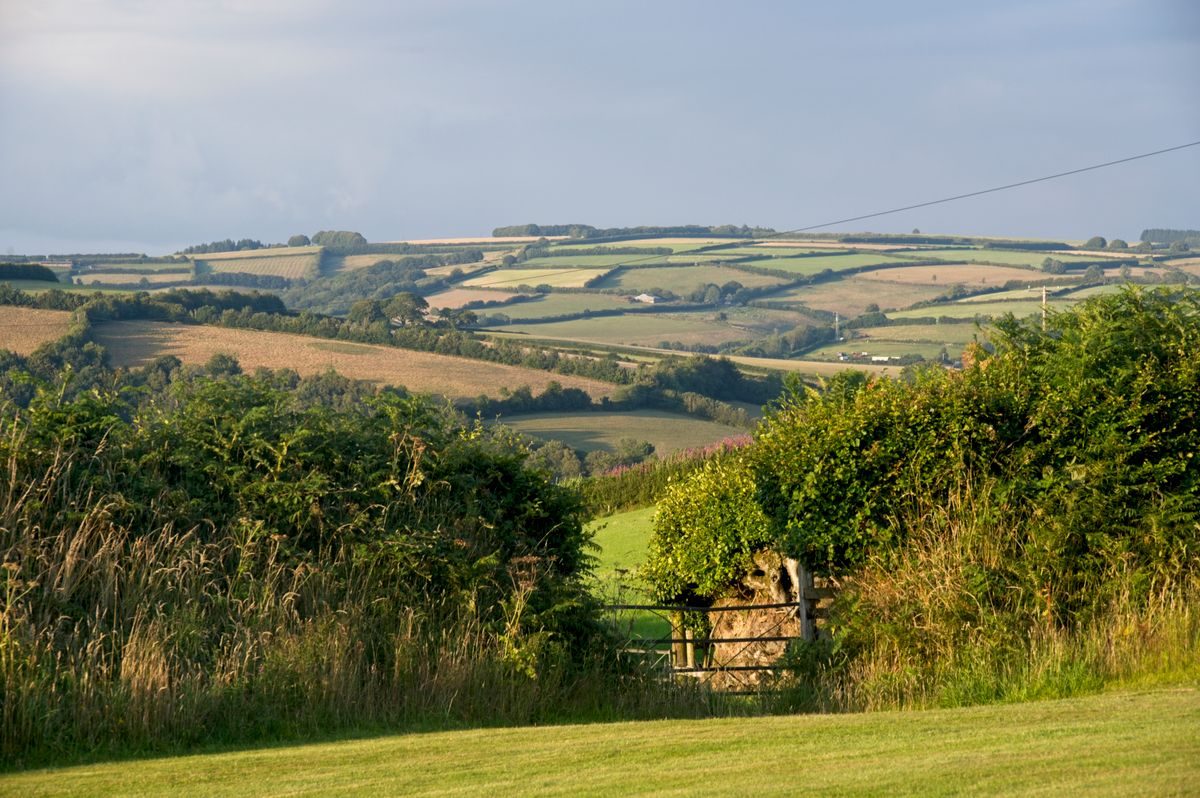
How Soon Can You Park on a New Driveway in Newton Abbot? Curing Times by Surface
The question everyone asks on day one of a driveway job is when they can park on it, and the honest answer is that it depends more on the surface and the weather than on the installer. Concrete needs seven days before a car goes on it and 28 days to reach full strength. Resin bound can take a car in 24 to 48 hours. Block paving is usable almost immediately. Tarmac sits somewhere in between and has an extra complication that catches people out in summer. South Devon adds its own factor: the Newton Abbot area gets roughly 900mm to 1,000mm of rain a year and holds high humidity for much of the autumn, which slows some surfaces and rules out installing others entirely on the wrong day. Here's what each one needs.
Tarmac: 24 to 48 Hours, and Then Be Careful for a Month
Tarmac, properly asphalt, doesn't cure chemically. It cools. The surface course goes down at around 140°C to 160°C and hardens as it drops to ambient temperature, which is why it's the fastest of the bound surfaces to become usable.

Foot traffic is fine once it's cool to the touch, usually 4 to 6 hours in Devon's mild conditions. Vehicles should wait 24 hours in summer and up to 48 hours in cooler, damper weather, which around Newton Abbot means most of the period from October through March.
The part nobody mentions is what happens after that. Asphalt continues to harden and stabilise for six to twelve months, and during the first few weeks in particular it is vulnerable to point loading and shear. Three specific things to avoid: turning the steering wheel while stationary, which scuffs and ripples the surface and is the single most common damage we see on new tarmac; parking a heavy vehicle, trailer or motorhome in one spot for days; and putting anything with a narrow foot, a jack, a caravan leg, a bike stand, directly on the surface without a spreader board.
Warm weather softens it. South Devon summers are mild by UK standards, but a south-facing Newton Abbot or Kingsteignton driveway in July can reach surface temperatures well above air temperature, and a new tarmac drive will be noticeably softer on those afternoons. Park somewhere else if you can for the first fortnight of a heatwave. Our guide to how a tarmac driveway is installed in Newton Abbot explains what's happening underneath during that period.
Why It Looks Different for the First Few Months
New tarmac often develops a slightly lighter, greyer sheen over the first six to eight weeks as the surface bitumen film oxidises and fine aggregate becomes visible. That's normal and it's the surface gaining skid resistance.
Occasional bitumen shine or slight tackiness in the first hot spell is also normal. What isn't normal is sustained indentation under a normally parked car after a month, which suggests the material was laid too thin or the sub-base was under-specified.
Resin Bound: 24 to 48 Hours, and It Cannot Be Installed Wet
Resin bound is a chemical cure. Dried aggregate is mixed with a two-part polyurethane or epoxy resin, trowelled out, and hardens as the resin reacts.
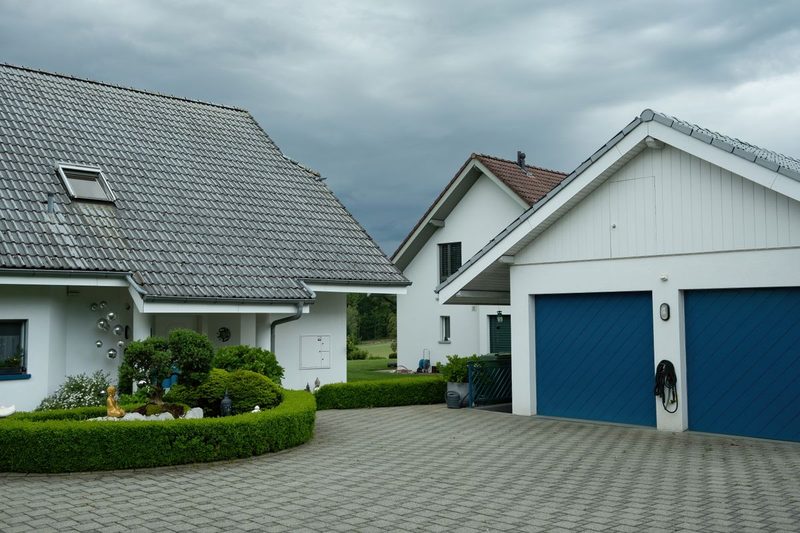
Typical timings: foot traffic after 4 to 6 hours, light vehicles after 24 hours in warm dry conditions, and 48 hours where temperatures are low. Below about 10°C the reaction slows markedly, and below 5°C most installers won't lay at all.
The bigger constraint in South Devon is moisture. Resin bound must go down on a dry base in dry conditions, and rain falling on it within the first few hours of cure causes permanent damage: a foamy, blown or milky surface that cannot be repaired, only lifted and redone. The aggregate itself has to be kiln-dried, and it has to stay dry between delivery and mixing.
That's a real scheduling issue here. Newton Abbot, Kingsteignton and the Teign valley hold morning mist and heavy dew well into autumn, and a forecast of "dry" isn't the same as a dry surface at 8am. A good installer will postpone a resin job rather than gamble, and being postponed twice is a sign of a contractor protecting your driveway, not one messing you about.
Full chemical cure takes up to seven days. Avoid dragging heavy items, turning on the spot, and using any solvent-based cleaner during that first week. Our guide to what to expect during a resin driveway installation in Newton Abbot covers the day itself.
Block Paving: Drive On Straight Away, Then Give It a Month
Block paving is a mechanical system rather than a curing one. Once the blocks are laid, the joints filled with kiln-dried sand and the whole surface vibrated with a plate compactor, it is structurally ready.
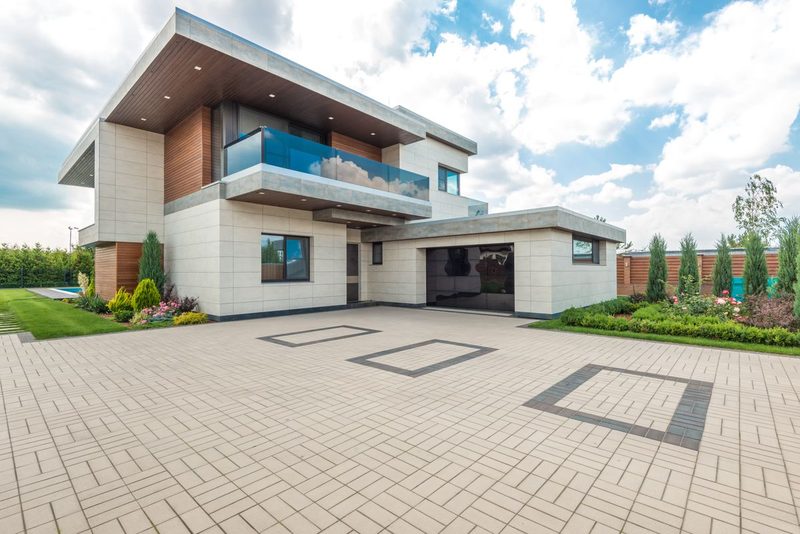
You can normally drive on it the same day the final compaction is done. The caveat is the edge restraints: if the perimeter kerbs or edging blocks are haunched in concrete on the last day, that concrete needs 24 to 48 hours before vehicle loads go near it, because the edges are what stop the whole field spreading.
Two things happen over the following weeks. The jointing sand settles and washes down into the joints, so the surface will need re-sanding once or twice in the first few months. And the blocks bed in slightly under traffic, which is normal and part of how the interlock develops.
Sealing, if you want it, should wait. New block paving needs to weather and fully dry out first, and most sealant manufacturers specify a minimum of eight to twelve weeks. In South Devon's damp climate, closer to twelve, and ideally during a genuinely dry spell rather than a dry day. Interlay, the association for paving contractors, is a reasonable reference point for what competent installation and aftercare look like.
Concrete: The Slow One
Concrete is where impatience costs real money, because the damage is invisible at the time and permanent.
Foot traffic after 24 to 48 hours. Light vehicles after 7 days minimum. Heavy vehicles, vans or anything with a trailer after 28 days. Concrete reaches roughly 70% of its design strength at 7 days and its nominal full strength at 28, and loading it early causes microcracking that shows up as surface crazing and spalling a year or two later.
Pattern imprinted concrete follows the same schedule with an added step: the release agent is washed off after 24 to 48 hours and the sealer applied once the surface is properly dry, which in a Devon autumn can mean waiting several days for the right window.
Curing conditions matter as much as time. Concrete needs to retain moisture while it hydrates, so it should be covered or kept damp in hot dry weather rather than left to flash off, and protected from rain in the first several hours. South Devon's mild damp climate is actually good for concrete curing, one of the few surfaces where the local weather helps rather than hinders.
Frost is the risk to watch, though less so here than inland. The Torbay and Teignbridge coastal strip is one of the mildest parts of mainland Britain, with air frost days typically in the low twenties per year against a UK average closer to 50, so a winter concrete pour is more viable here than in most of the country. Inland and at altitude, around Ashburton and the Dartmoor fringe, that changes and frost protection becomes a genuine requirement.
Gravel and Loose Surfaces
Gravel over a bound or membrane-and-sub-base construction is usable immediately, which is its main practical advantage.
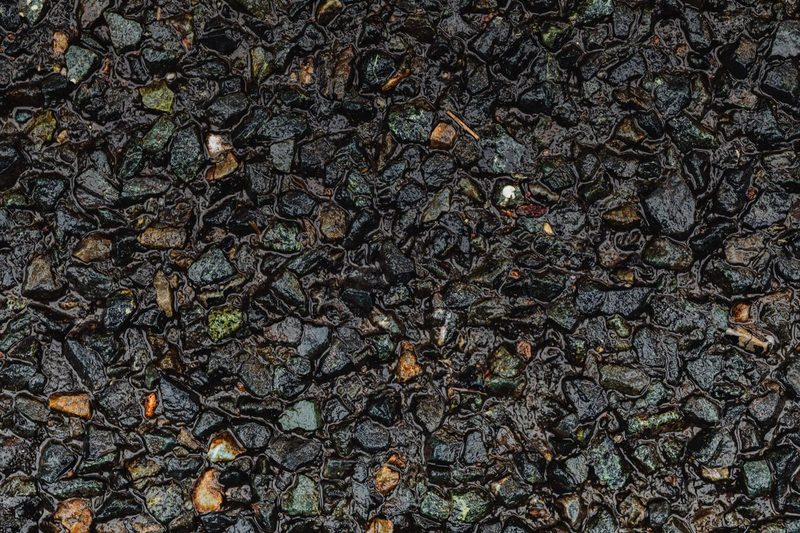
The thing to manage is migration rather than curing. For the first few weeks, gravel moves under wheels until it settles into a compacted profile, and it will need raking back and possibly topping up. Driving slowly and avoiding sharp turns for the first fortnight reduces how much of it ends up on the pavement.
Where a resin bonded or bound gravel edge has been used to retain a loose gravel field, that edge follows resin timings, not gravel ones. Stay off it for 24 to 48 hours.
Planning the Week Around It
The curing time is the bit people forget to plan for, and it's usually the thing that turns a smooth job into a stressful one.
Work backwards from the surface. For concrete, you need somewhere else to park for a full week, which for most Newton Abbot properties means arranging a neighbour's drive or a nearby car park in advance rather than discovering the problem on day three. For resin and tarmac, it's one or two nights. For block paving and gravel, effectively none.
Two local complications worth thinking about. On-street parking around central Newton Abbot, Kingsteignton and parts of Teignmouth is limited and in places controlled, so the fallback isn't always outside your house. And if you're on a holiday let or run a business from home, factor the access interruption into bookings, because a driveway isn't usable by guests during the cure either.
Also plan the deliveries. Anything heavy arriving in the first week, a skip, a delivery lorry, a removal van, needs to be either before the driveway goes down or well after. A skip lorry's outriggers on a seven-day-old concrete slab will crack it.
What Actually Damages a New Driveway
Beyond the timings, a handful of specific things cause most early-life damage, and they're all avoidable.
Turning the wheels while stationary is the biggest one on tarmac and resin, and it's an ingrained habit that takes conscious effort to break for the first month. Roll a few inches while you turn.
Fuel, oil and brake fluid attack bitumen and will soften tarmac permanently. A drip tray under an older car for the first few weeks is cheap insurance. Resin and block paving cope better, but oil still stains.
Pressure washing too early damages every surface: it strips jointing sand from block paving, can pit new tarmac, and can lift aggregate from resin that hasn't fully cured. Wait at least three months, then use a fan nozzle at a sensible distance rather than a turbo head.
Then there's the coastal factor. Properties towards Teignmouth, Shaldon and the Torbay side get salt-laden air, and salt accelerates staining and weed growth in joints. Rinsing a new driveway with fresh water occasionally through the first winter genuinely helps, and it's one of the few maintenance jobs that matters more here than inland. BALI, the landscaping trade body, publishes aftercare guidance worth reading if you want the longer version.
If in doubt about your specific surface and the weather the week it was laid, ask the installer for their aftercare sheet, and if you'd rather talk it through, we're happy to go over the timings for your driveway before the job starts rather than after.
Frequently Asked Questions
How long before I can park on a new tarmac driveway?
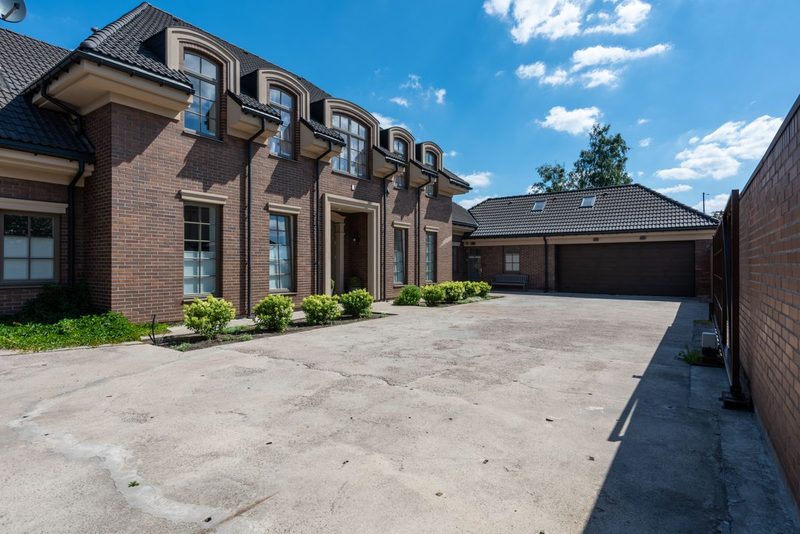
Foot traffic after 4 to 6 hours once it has cooled, and vehicles after 24 hours in summer or up to 48 hours in cooler damp weather. Avoid turning the steering wheel while stationary for the first month, as this is what scuffs and ripples new asphalt.
How long does a resin driveway take to cure?
Foot traffic after 4 to 6 hours, light vehicles after 24 to 48 hours depending on temperature, and full chemical cure within about seven days. Resin cannot be laid on a damp base or where rain is likely in the first few hours, which is a real scheduling constraint in South Devon.
Can I drive on new block paving straight away?
Usually yes, once the jointing sand is in and the surface has been compacted. The exception is freshly concreted edge restraints, which need 24 to 48 hours. Expect to top up the jointing sand once or twice in the first few months as it settles.
How long should I wait before parking on a new concrete driveway?
Seven days for a car and 28 days for vans, trailers or anything heavy. Concrete reaches only about 70% of its strength at seven days, and loading it earlier causes microcracking that shows up as crazing and spalling later.
```json { "@context": "https://schema.org", "@type": "FAQPage", "mainEntity": [ { "@type": "Question", "name": "How long before I can park on a new tarmac driveway?", "acceptedAnswer": { "@type": "Answer", "text": "Foot traffic after 4 to 6 hours once it has cooled, and vehicles after 24 hours in summer or up to 48 hours in cooler damp weather. Avoid turning the steering wheel while stationary for the first month, as this is what scuffs and ripples new asphalt." } }, { "@type": "Question", "name": "How long does a resin driveway take to cure?", "acceptedAnswer": { "@type": "Answer", "text": "Foot traffic after 4 to 6 hours, light vehicles after 24 to 48 hours depending on temperature, and full chemical cure within about seven days. Resin cannot be laid on a damp base or where rain is likely in the first few hours, which is a real scheduling constraint in South Devon." } }, { "@type": "Question", "name": "Can I drive on new block paving straight away?", "acceptedAnswer": { "@type": "Answer", "text": "Usually yes, once the jointing sand is in and the surface has been compacted. The exception is freshly concreted edge restraints, which need 24 to 48 hours. Expect to top up the jointing sand once or twice in the first few months as it settles." } }, { "@type": "Question", "name": "How long should I wait before parking on a new concrete driveway?", "acceptedAnswer": { "@type": "Answer", "text": "Seven days for a car and 28 days for vans, trailers or anything heavy. Concrete reaches only about 70% of its strength at seven days, and loading it earlier causes microcracking that shows up as crazing and spalling later." } } ] } ```
```json { "@context": "https://schema.org", "@type": "Article", "headline": "How Soon Can You Park on a New Driveway in Newton Abbot? Curing Times by Surface", "description": "Tarmac, resin, block paving and concrete all need different amounts of time before a car goes on them, and South Devon's damp mild weather changes the numbers. Here's how long to wait for each, what happens if you don't, and how to plan the week around it.", "author": { "@type": "Organization", "name": "The Team" }, "datePublished": "2026-09-18", "dateModified": "2026-09-18", "articleSection": "Driveways" } ```
You might also like
West County Driveways