How a Tarmac Driveway Is Installed in Newton Abbot: The Step-by-Step Process
Most people paying £45-£65 per square metre for a tarmac driveway in Newton Abbot have no idea what happens between the old surface coming up and the new one going down. That is a shame, because the parts you can't see once the job is finished - the dig-out depth, the sub-base, the number of tarmac courses - are exactly the parts that decide whether your drive lasts 8 years or 20. A typical 40m² two-car drive here takes a competent crew of three or four around two to three days, moves roughly 6-10 tonnes of spoil, and brings in 8-12 tonnes of stone and tarmac by lorry. This guide walks the whole build in order, with the real figures at each stage, and flags where Teignbridge's wet weather and Dartmoor-edge clay change how the work is done.
Step One: The Site Survey and Setting Out
Every proper job starts with someone standing on the plot, not squinting at a photo. A surveyor measures the area, checks the fall of the land, looks at where water currently sits after rain, and probes the ground to see what is under the topsoil. Around Newton Abbot that "what's underneath" question matters more than most places, because much of the town and the surrounding villages sit on clay-heavy subsoil that swells and shrinks with moisture. If you want to sanity-check your own numbers before anyone visits, the team at West County Driveways can talk through your plot and rough size over the phone first.
Setting out is the practical bit that follows. The crew marks the edges, works out the finished levels, and plans the falls so that water runs off the drive and away from the house rather than pooling or draining onto the public road. On a sloped plot dropping toward the Teign valley, this stage might add a stepped design or a small retaining edge. Getting the levels wrong here costs far more to fix later than the hour it takes to plan them properly.
Why the Survey Sets the Whole Budget
The survey is where the depths get decided, and depth is where the money lives. A firm base drive for cars normally needs 150mm of compacted sub-base, but on soft clay ground that jumps to 200-250mm, and each extra 50mm across a 40m² drive is roughly another 2 tonnes of stone plus the spoil it displaces. If the survey spots a spring line or a boggy corner - not unusual on the Dartmoor fringe - the design changes before a single spade goes in. That is the whole point of doing it first.
Step Two: Excavation and Muck-Away
With levels set, the dig begins. A mini-digger strips out the old surface and topsoil down to the design depth, usually 200-300mm below the finished level once you add the sub-base and tarmac layers together. A 40m² drive dug to 250mm produces around 8-10 tonnes of spoil, and all of it has to leave site by grab lorry or tipper. Tipping charges in Devon have climbed steadily, so muck-away is a bigger slice of the bill than it was five years ago - often 10-15% of the total.
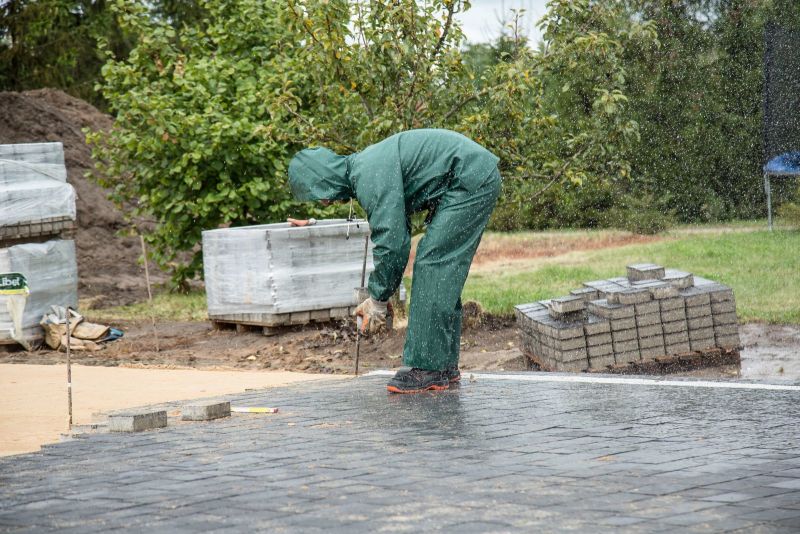
Access shapes this stage heavily around Newton Abbot. On the newer estates at Wolborough or near Kingsteignton a lorry can usually pull up alongside, but on the older lanes toward Ogwell or Abbotskerswell the machine may have to shuttle spoil out in a dumper, adding labour hours. The crew also digs any drainage runs at this point, while the ground is open.
Step Three: The Sub-Base - the Part That Actually Holds the Drive Up
Here is the layer nobody sees and everybody underestimates. Once the dig is clean and the ground compacted, the crew lays a sub-base of MOT Type 1 crushed stone - typically 150mm on firm ground, 200-250mm on the clay that runs along the valley. It goes in and gets compacted in layers rather than one deep dump, because a single thick layer never compacts evenly. A vibrating roller or plate passes over each layer until it stops moving under the machine.

This is genuinely the most important stage of the whole build. Tarmac is only a wearing surface - it is the sub-base that spreads the weight of your car and stops the clay beneath from pushing the drive around as it wets and dries. Cut this to 100mm to save a few hundred pounds and you buy yourself a cracked, sunken drive within a decade. Almost every failed drive we see traces back to a thin or badly compacted base. We go into the money side of all this in our Newton Abbot tarmac driveway cost guide, which is worth reading alongside this one.
Getting the Falls and Drainage Right
Before the tarmac goes down, the sub-base is graded to the finished falls - usually a gentle 1:40 to 1:60 slope so rain runs off cleanly. With Teignbridge catching over 1,000mm of rain a year across roughly 140-150 wet days, drainage is not optional here. A linear channel drain across the drive adds around £250-£500, and where there is no border to soak into, a soakaway can add £400-£900 and needs proper sizing on slow-draining clay. If you are surfacing more than 5m² at the front and draining onto the road, the government guidance on permeable surfacing of front gardens{:target="_blank" rel="noopener noreferrer"} explains when you cross into needing planning permission.
Step Four: Edge Restraints
Tarmac has no structural strength at its edges - without something to hold it, it crumbles and spreads outward under the wheels. So before or during surfacing, the crew installs edge restraints: block paving edges, concrete kerbs, or a haunched concrete edge, at roughly £25-£40 per linear metre. On a typical Newton Abbot drive that is £250-£450 of work, and it is the first thing a bargain quote quietly leaves out.
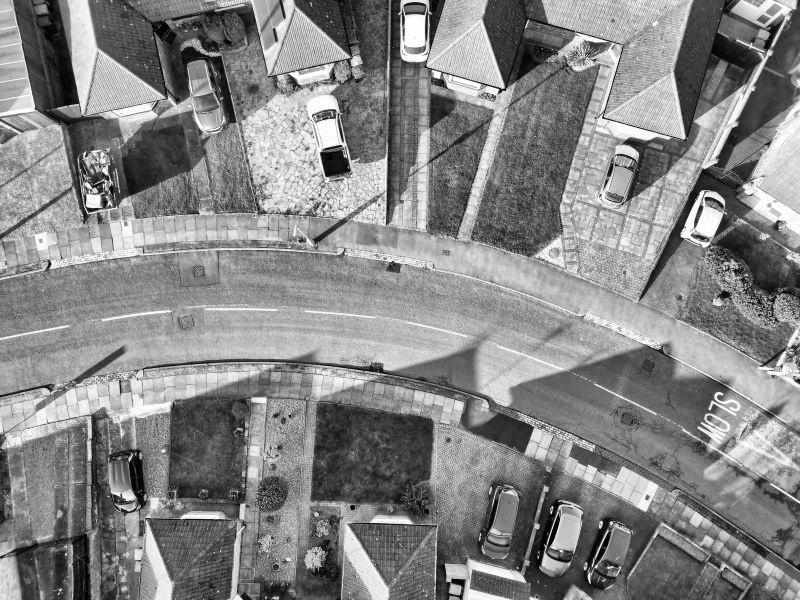
Good edging does two jobs at once. It contains the tarmac so the surface stays crisp for years, and it defines the drive against the lawn, border or path next to it. On sloped plots it also stops the whole surface from slowly migrating downhill. Skimp here and the neat edges you paid for start breaking away within a couple of winters.
Step Five: Laying the Binder Course and Surface Course
Now the tarmac itself. It arrives hot from the plant - usually the nearest asphalt supplier serving the Newton Abbot and Heathfield area - and has to be laid and rolled before it cools, typically within a couple of hours of leaving the plant. This is why access matters so much with tarmac: material cooling in a barrow is wasted material.
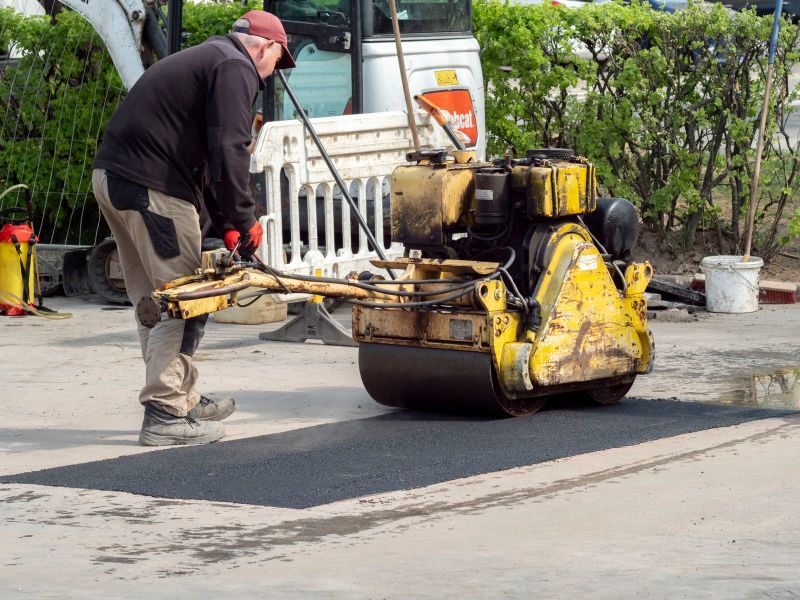
A proper tarmac drive is laid in two courses, not one. First comes the binder course (the base layer), usually 40-50mm of coarser, stronger asphalt that carries the load and levels out the sub-base. On top goes the surface course (the wearing layer), around 20-25mm of finer material that gives the smooth black finish you actually see. Together that is 60-70mm of tarmac. A single 40mm layer, which is what you get on a cheap quote, has no proper base course and wears through years earlier.
Rolling and Compaction
Each course is rolled immediately with a heavy roller to compact it and lock the stone together. The binder is rolled, then the surface course goes on and gets rolled again, working the joints and edges by hand where the roller can't reach. Proper compaction is what stops water getting in and what gives the surface its density - an under-rolled drive stays soft, marks under a car jack, and lets rainwater soak in and freeze. On a 40m² job the surfacing stage itself is often a single busy day once the base is ready.
Step Six: Curing, First Use and Aftercare
Tarmac cures quickly compared with concrete or resin. You can usually walk on it within a few hours, and it takes car traffic after 24-48 hours. It stays slightly soft while it hardens fully, though, so for the first two to four weeks it is worth keeping heavy vehicles, sharp-turning wheels, caravan legs and motorbike stands off it - in warm spells that soft window lasts a little longer. A trickle of pale liquid (bitumen residue) in the first weeks is normal and fades.

Timing the whole job around Devon weather is its own skill. Tarmac lays best in dry, mild conditions, and South Devon's damp climate makes those windows narrower than in the drier east of England. Late spring to early autumn is peak season, and good local crews are typically booked three to six weeks ahead through summer, so enquire in April for June work. Before you sign anything, it is worth checking your contractor is on a recognised register such as the TrustMark government-endorsed quality scheme{:target="_blank" rel="noopener noreferrer"} and asking for recent local addresses you can drive past.
---
FAQ
Q: How long does it take to install a tarmac driveway in Newton Abbot?
A: A standard 40m² two-car drive usually takes a crew of three or four around two to three days - roughly a day for excavation and muck-away, a day for the sub-base, edging and drainage, and a day for laying and rolling the tarmac. Bigger or sloped plots, or sites with awkward lane access common around Ogwell and Abbotskerswell, can add a day. Weather delays are the main wildcard in wet South Devon.
Q: What are the layers in a properly built tarmac driveway?
A: From the bottom up: compacted subgrade, then 150-250mm of MOT Type 1 sub-base (thicker on the clay soils around Newton Abbot), then a 40-50mm binder course, then a 20-25mm surface course - about 60-70mm of tarmac in total, laid in two courses. Edge restraints hold it all in place. A cheap single 40mm layer with a thin base is the most common corner cut and the main reason drives fail early.
Q: How deep should a tarmac driveway be excavated?
A: Enough to fit the full build-up. On firm ground that is around 200mm of dig for 150mm of sub-base and 60-70mm of tarmac; on the clay-heavy ground common along the Teign valley it is nearer 300mm to allow a 200-250mm sub-base. A 40m² drive dug to 250mm produces about 8-10 tonnes of spoil that has to be carted away.
---
You might also like
West County Driveways