Commercial Tarmac Surfacing in Newton Abbot: Car Parks, Yards, and Access Roads
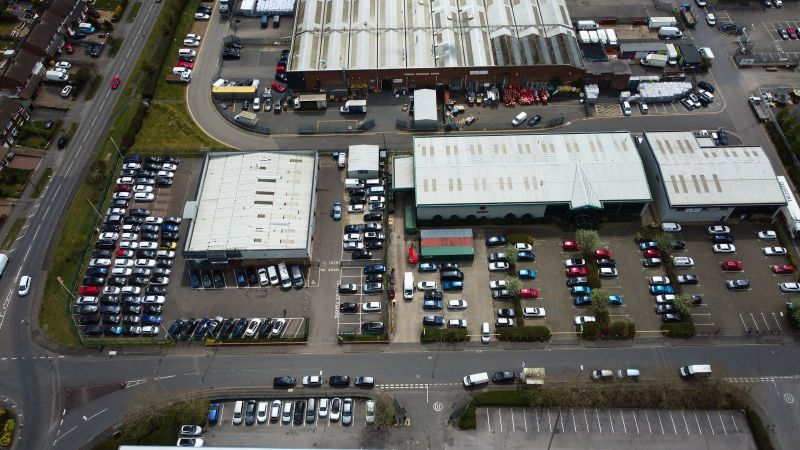
Commercial tarmac is a different animal to a home driveway. A car park at a Newton Abbot trade unit, a hardstanding yard on a Dartmoor-edge farm, or an access road into an industrial estate all carry far heavier loads than a couple of family cars, and they get built to match. Where a domestic drive runs £45-£65 per square metre, commercial tarmac surfacing typically sits around £30-£55 per square metre once you are past 500m² - the rate drops with scale but the build-up gets deeper and stronger. Sub-bases run 200-350mm rather than 150mm, surfacing is often 70-100mm across two or three courses, and the whole thing has to cope with Teignbridge's 1,000mm-plus of annual rainfall and the clay subsoils along the Teign valley. This guide covers what actually goes into a commercial job around Newton Abbot, and where the money and the risk sit.
Car Parks, Yards and Access Roads Need Different Specs
The first thing to understand is that "commercial tarmac" is not one product. A staff and visitor car park, a working yard, and an access road each see different traffic and need a different build. Getting the spec right for the actual use is where a good contractor earns their fee, and it is worth a conversation before any numbers are quoted - the team at West County Driveways surface commercial sites across Newton Abbot and the wider Teignbridge area and will spec the job to the traffic rather than to a template.
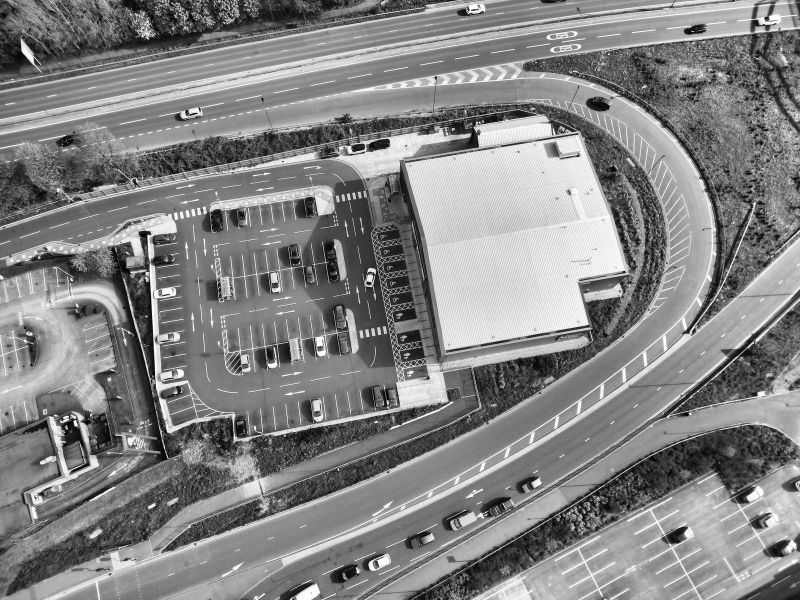
A car park mostly carries cars and the odd delivery van, so a 200-250mm sub-base under 70-80mm of tarmac in two courses is usually enough. A yard that takes tractors, telehandlers, HGVs or skip lorries - common on the farms and trade units around Heathfield and Kingsteignton - needs 300-350mm of sub-base and 90-100mm of tarmac, often with a heavier binder course. An access road sees repeated point loading from turning vehicles, so it gets road-grade materials and the deepest build of the three. Spec a yard like a car park and it ruts and cracks within a season.
Point Loads and Turning Areas
The heaviest wear on any commercial site is rarely the open expanse - it is the pinch points. Where lorries turn, brake and manoeuvre, or where a skip or trailer sits parked in the same spot day after day, the surface takes concentrated stress that a flat run never sees. Good commercial jobs thicken the tarmac or deepen the base in those zones, sometimes adding 25-50mm in turning heads and loading bays. Ignoring this is the single most common reason a yard fails early.
What Commercial Tarmac Costs Around Newton Abbot
Scale changes the maths. Because the fixed costs - mobilising plant, getting the crew and the first lorry to site - are spread across a bigger area, the per-square-metre rate falls as the job grows. A small commercial car park of 300-500m² tends to land around £40-£55 per square metre. Get past 1,000m² and rates commonly ease to £30-£45. A large estate access road or a 2,000m²-plus yard can drop further still on the surfacing rate, though the deeper build-up eats into that saving.
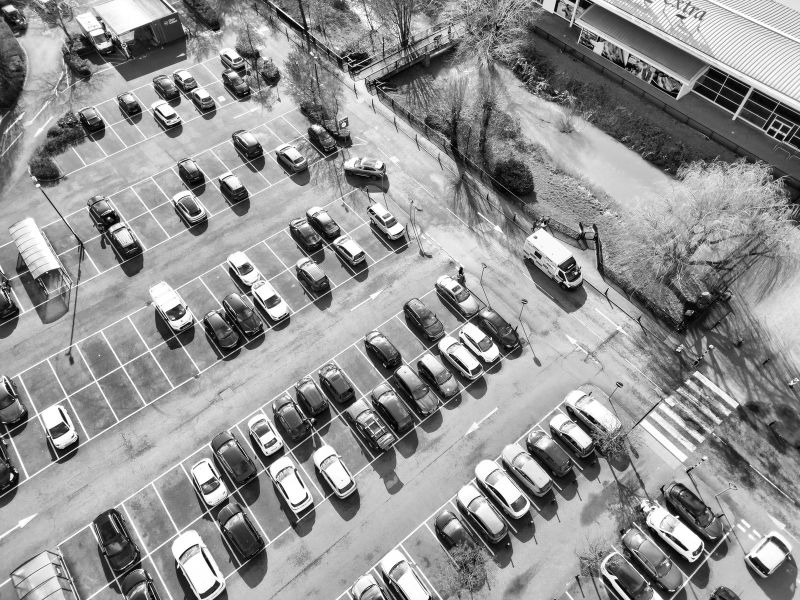
Those are surfacing figures, and on a commercial job they are only part of the total. Drainage, ducting for services, kerbs, markings and any ground remediation can add 15-30% on top. The honest way to compare quotes is per square metre for a stated build depth, plus a clear itemised list of everything else - not a single headline number. A cheap rate over a thin base is the most expensive mistake a business can make, because a failed yard means closure and disruption to fix, not just a repair bill.
The Sub-Base: Where a Commercial Job Is Won or Lost
On a home drive the sub-base is important. On a commercial site it is everything. The MOT Type 1 sub-base carries the entire load and spreads it across the ground below, and around Newton Abbot that ground is often clay - which swells wet and shrinks dry, and drains slowly. That combination is unkind to any hardstanding, so commercial builds here run deeper bases than the national average: 250-350mm compacted in layers, sometimes over a geotextile membrane to stop the clay pumping up into the stone.
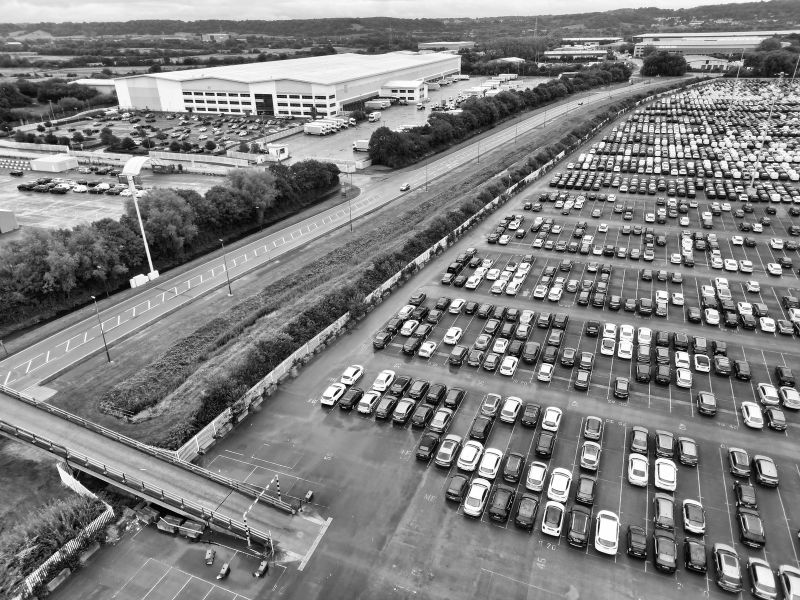
Compaction is done in layers with a heavy roller, each pass checked before the next layer goes on. On weak or waterlogged ground - not rare on the Dartmoor fringe - the crew may need to dig out soft spots and replace them, or lay a capping layer of coarser stone beneath the Type 1. This is unglamorous, invisible once the tarmac is down, and completely decisive for how long the surface lasts. We break down the underlying rates and build-ups in our Newton Abbot tarmac driveway cost guide, and the same base-first logic scales straight up to commercial work.
Drainage and SuDS on Commercial Sites
Drainage is not a nicety on a Teignbridge commercial site - it is a legal and practical necessity. With over 1,000mm of rain a year and 140-150 wet days, a large impermeable surface generates a lot of run-off fast, and it has to go somewhere controlled. Commercial schemes usually need proper falls (a 1:40 to 1:80 grade), linear channel drains, gullies connected to a drainage system, and often an attenuation or soakaway feature to hold water back before it enters the network.
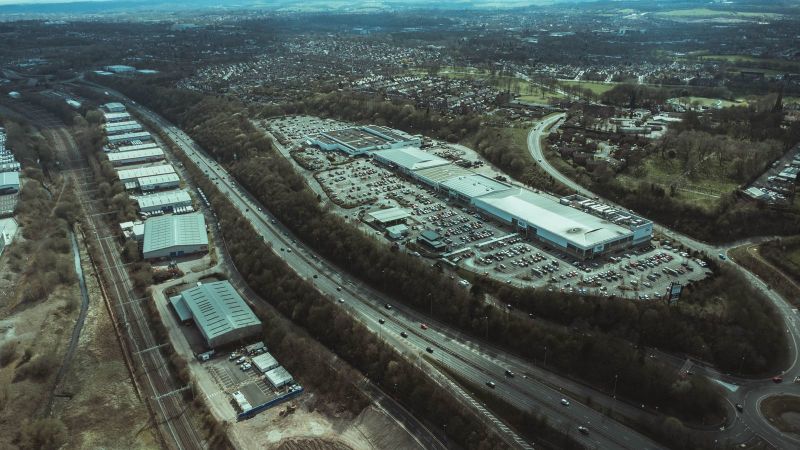
Sustainable drainage (SuDS) is increasingly expected on new or resurfaced commercial hardstanding. Where a large area drains to a watercourse or public sewer, the design may need to slow and store run-off rather than dump it, and larger schemes can require planning input from Teignbridge District Council. The Planning Portal's guidance on drainage and Sustainable Drainage Systems{:target="_blank" rel="noopener noreferrer"} is a sensible starting point, and the government guidance on permeable surfacing{:target="_blank" rel="noopener noreferrer"} sets out the principles that apply to larger paved areas too. Budget drainage as a real line, not an afterthought - on a big car park it can be 15-25% of the whole scheme.
Markings, Bays and Line Painting
Once the surface has cured, a car park earns its keep through layout. Standard parking bays are 2.4m by 4.8m, and thermoplastic line markings - more durable than paint under traffic - typically cost £15-£30 per bay including arrows and hatching. Accessible bays, EV charging spaces, one-way arrows and fire-lane hatching all need planning into the layout before the paint goes down. Markings usually wait 2-4 weeks after laying so the tarmac has fully hardened and any surface bitumen has weathered off.
Timing, Disruption and Devon Contractor Availability
A working business cannot shut its yard for a fortnight, so phasing matters. Larger commercial jobs are often built in sections so half the car park or yard stays open while the other half is surfaced, or done over a weekend or a quiet week. Tarmac takes light traffic within 24-48 hours, which helps, but the base and surfacing sequence still needs dry conditions - and South Devon's damp climate makes those windows narrower than in the east of the country.
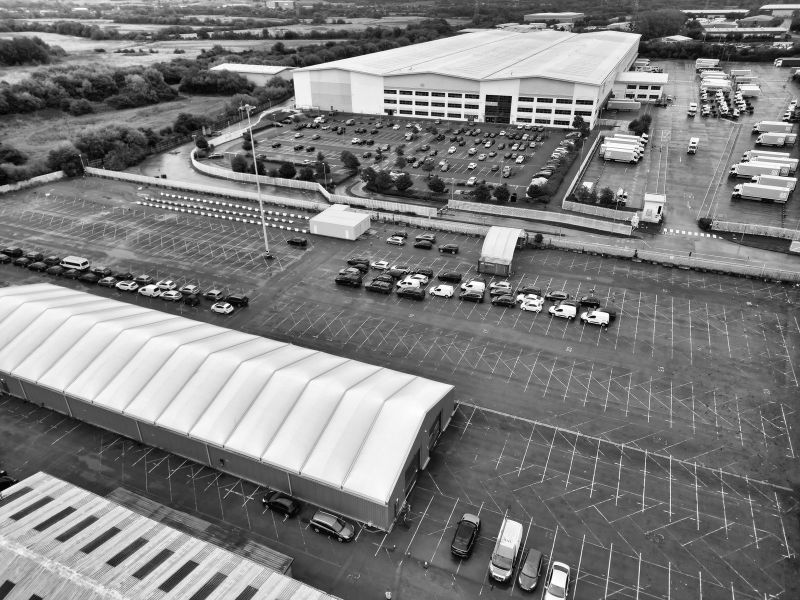
Contractor availability is worth planning around. Devon has a decent supply of commercial surfacing crews, but the ones with the right plant for a 1,000m²-plus job are fewer, and they book up three to six weeks ahead through the late spring to early autumn season. For a business, that means enquiring well before the surface actually fails. Before appointing anyone, check they carry proper commercial insurance, can show recent local commercial sites, and sit on a recognised register such as the TrustMark government-endorsed quality scheme{:target="_blank" rel="noopener noreferrer"}.
Maintenance That Protects a Commercial Investment
A commercial tarmac surface is a big asset, and a little upkeep stretches its life a long way. Keeping gullies and channel drains clear stops standing water, which is the fastest way to break up any surface through a Devon winter of repeated wetting and freezing. Sealing or patching small cracks early - before water gets into the base - is far cheaper than the resurfacing they turn into if left. A well-built commercial surface should give 15-20 years of service; a neglected one can need major work in half that.
For sites with heavy point loading, an annual look at the turning heads and loading bays catches early rutting before it spreads. And when a resurface does eventually come round, a sound base can often be overlaid rather than dug out, at roughly half the cost of a full reconstruction - which is one more reason the original base spec pays for itself several times over.
---
FAQ
Q: How much does commercial tarmac surfacing cost in Newton Abbot?
A: As a working guide, expect around £40-£55 per square metre for a small car park of 300-500m², easing to £30-£45 per square metre once you are past 1,000m² as the fixed costs spread further. Those are surfacing rates only - drainage, kerbs, ducting, markings and any ground remediation typically add 15-30% on top. Always compare quotes per square metre for a stated build depth plus an itemised extras list, not on a single headline figure.
Q: How deep should a commercial car park or yard be built?
A: It depends on the traffic. A car park carrying cars and light vans usually needs a 200-250mm sub-base under 70-80mm of tarmac. A yard taking tractors, telehandlers or HGVs - common around Heathfield and the Newton Abbot trade units - needs 300-350mm of sub-base and 90-100mm of tarmac, often thickened another 25-50mm in turning heads and loading bays. On the clay soils along the Teign valley, a geotextile membrane under the stone is often worth adding.
Q: Do commercial surfacing projects need planning permission or SuDS in Teignbridge?
A: Larger schemes often do. Where a big impermeable area drains to a watercourse or public sewer, the design may need Sustainable Drainage Systems (SuDS) to slow and store run-off, and significant works can require input from Teignbridge District Council. With Teignbridge catching over 1,000mm of rain a year, drainage design is central to any commercial job here, so it is worth checking the requirements early rather than after the surface is laid.
---
You might also like
West County Driveways