Common Tarmac Driveway Mistakes in Newton Abbot and How to Avoid Them
Most tarmac driveways in Newton Abbot don't fail because tarmac is a bad surface. They fail because of a handful of avoidable mistakes made before the black stuff ever arrives. This is a town that catches over 1,000mm of rain a year - roughly 20-30% above the England average - sits on clay-heavy ground along the Dartmoor fringe, and has plenty of plots that slope toward the Teign. Those three conditions punish shortcuts hard. A drive that should last 20 years can be cracking up at eight if the base is thin or the water has nowhere to go. The frustrating part is that the same errors show up again and again, and almost all of them are cheaper to avoid than to fix. Here are the ones we see most on Newton Abbot frontages, and exactly how to stop them happening to yours.
Mistake One: Judging a Quote on Price Alone
The single most expensive mistake is picking the cheapest number without reading what sits behind it. If one quote lands 20-30% under the others on the same 40m² drive, something has usually been left out - and it's normally the part you can't see once the job's done. Sub-base depth, edging and drainage are the three things quietly dropped to hit a headline price.
The fix is boring but reliable: get three itemised quotes and compare the specification line by line, not the total at the bottom. Ask each contractor for excavation depth, sub-base depth, the number of tarmac courses and whether spoil removal and VAT are included. If you want to sense-check whether a figure is realistic for the area, it's worth reading our Newton Abbot tarmac driveway cost guide first, and you can always ask West County Driveways to walk you through what a fair local quote should include.
A cheap quote that skips the base isn't a saving. It's a deposit on a second driveway.
Mistake Two: A Sub-Base That's Too Thin for the Ground
Under most of Newton Abbot is clay-heavy subsoil, and clay moves. It swells when wet and shrinks when dry, so the ground beneath your drive is in slow, constant motion. The only real defence is a properly built sub-base, and this is where corners get cut most often because none of it shows once the tarmac's down.
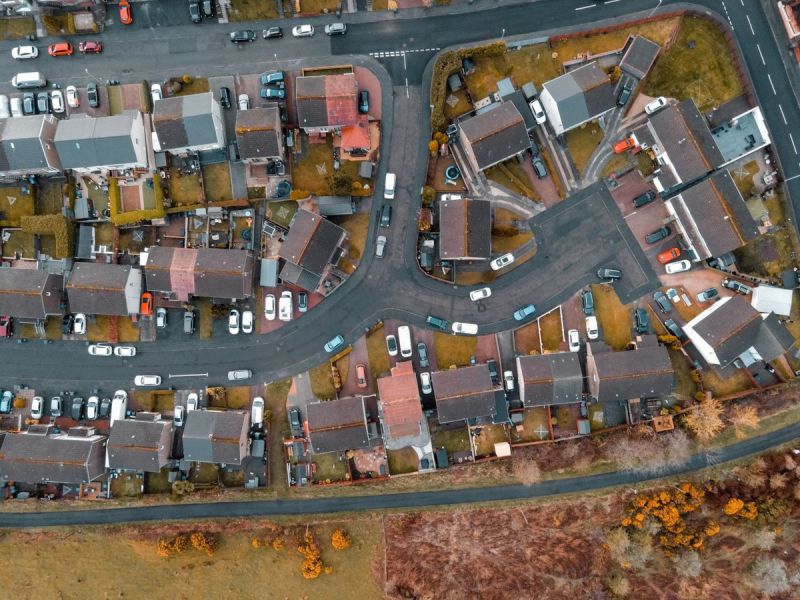
A domestic car drive normally wants 100-150mm of compacted stone on firm ground, and 200-250mm on the soft clay that's common here. Under that goes 50-60mm of tarmac laid in two courses. Quote a 100mm base where the ground needs 200mm and you save maybe £300-£500 on a 40m² drive - and take a decade off its life. Every extra 50mm of depth across that area is roughly 2 tonnes more stone, plus the spoil it displaces, so there's a real cost to doing it right. There's a bigger cost to not.
Get the Depths in Writing
Two quotes for the same area can differ by £500 purely on build-up, so don't leave depth to a handshake. Ask for excavation and sub-base depths as numbers on the quote, and for the stone to be compacted in layers rather than tipped in one deep dump. If a contractor won't commit to a figure, that tells you something.
Mistake Three: Ignoring Drainage in a Very Wet Valley
Tarmac is impermeable - water can't soak through it - so every drop that lands on your drive has to be sent somewhere on purpose. With Newton Abbot seeing 1,000mm-plus of rain across roughly 140-150 wet days a year, "somewhere" can't just be the lowest corner of the plot. Water pooling on tarmac finds any weakness, freezes in winter, and prises the surface apart.
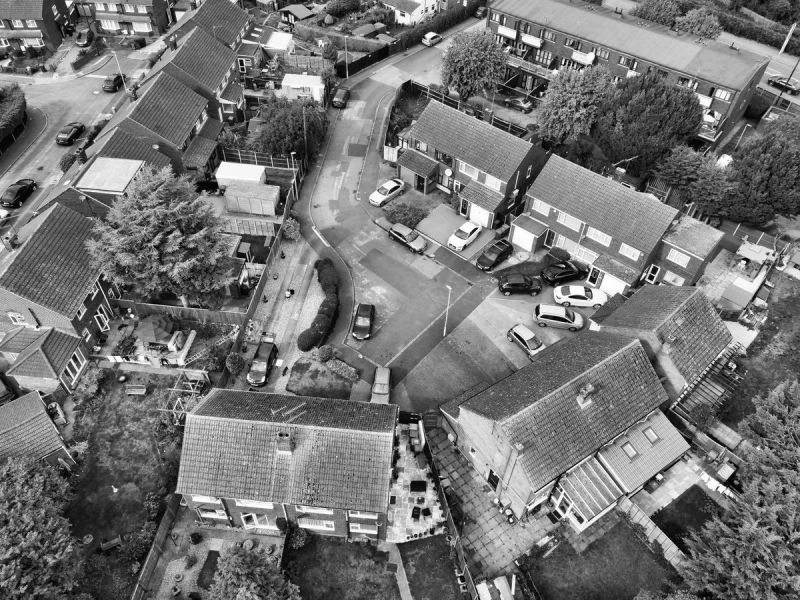
The mistake is treating drainage as optional. A linear channel drain across the mouth of the drive usually adds £250-£500, and a soakaway where there's no border to drain into runs £400-£900 - and on clay it needs proper sizing because the ground drains slowly. That's not upselling. On a metre-of-rain-a-year plot, it's the difference between a drive that sheds water and one that holds it. We go into the detail in our guide to tarmac driveway drainage in Newton Abbot, which is worth a read before you sign anything.
Mistake Four: Getting the Planning and SuDS Rules Wrong
Plenty of Newton Abbot homeowners assume a driveway needs no permission at all. That's usually true, but only if you handle the water correctly. Surface more than 5m² at the front of the house with an impermeable finish that drains onto the road and you'll normally need planning permission from Teignbridge District Council. Direct the run-off to a permeable border, lawn or soakaway inside your own boundary and you generally stay within permitted development, no application needed.
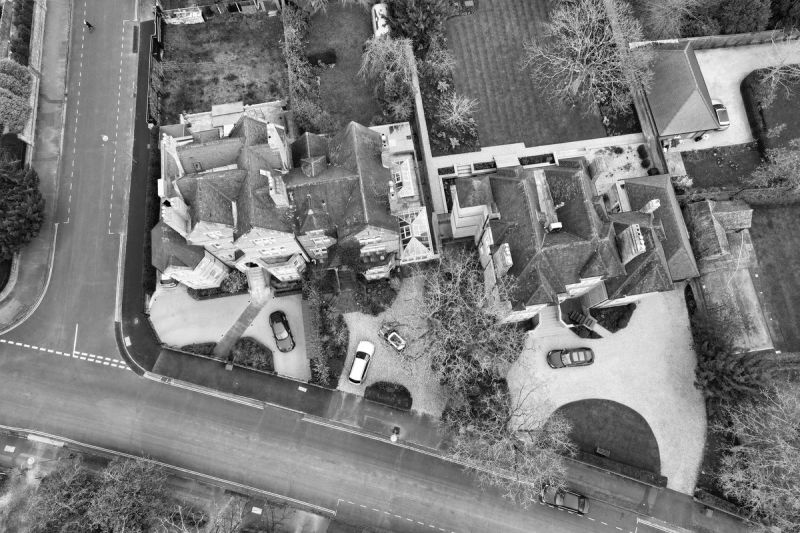
Getting this wrong can mean a retrospective application or, worst case, ripping up finished work. Two references settle it before you start: the government guidance on permeable surfacing of front gardens{:target="_blank" rel="noopener noreferrer"} sets out the rules plainly, and the Planning Portal's page on paving your front garden{:target="_blank" rel="noopener noreferrer"} covers the practical side. Ten minutes there can save an expensive rethink.
Mistake Five: Laying Tarmac in the Wrong Weather
Tarmac arrives hot and has to be laid and rolled before it cools, usually within a couple of hours of leaving the plant. It also needs the surface not to be running with water. In South Devon, where wet days outnumber the drier windows, that's a genuine constraint - and rushing a job in poor conditions is a mistake that shows up fast.
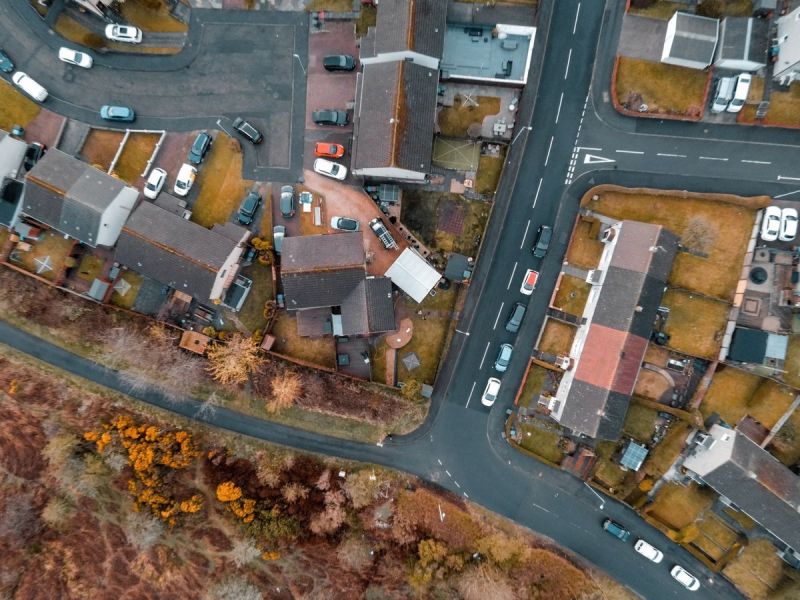
Laid onto a soaked or frosty base, tarmac won't bond or compact properly, and you get an open, porous surface that ravels and loosens within a season or two. A good contractor will postpone rather than push on through heavy rain, even if it dents the schedule. If someone's happy to lay in a downpour, treat that as a warning. The right approach is to plan the work for a settled spell - late spring through early autumn is the reliable window here - and accept that a start date might slip a day or two for weather. That patience is worth years of surface life.
Mistake Six: No Edge Restraint
Tarmac has no natural edge. Without something solid holding it in, the borders crumble, spread and break away, usually within a few years, and the damage creeps inward from there. Skipping edging is a classic false economy because it's one of the first things dropped from a bargain quote.
A block or kerb edge costs roughly £25-£40 per linear metre, so on a typical Newton Abbot drive that's £250-£450 - real money, but it's what keeps the whole surface contained and square. The mistake is seeing it as a cosmetic extra rather than structural. It's structural. An unrestrained tarmac edge is where the failure starts, and once the border goes, water gets under the surface and the rest follows.
Mistake Seven: Overlaying a Failing Base
Resurfacing sounds like a smart saving, and sometimes it is - a fresh wearing course over a sound base runs about £25-£40 per square metre, roughly half the cost of a full dig-out and relay. The mistake is overlaying a base that's already failing. New tarmac laid over a moving, cracked or waterlogged foundation simply cracks again in the same places within a year or two, and now you've paid twice.
Overlaying only works where the base is genuinely intact and draining properly. If the old surface has spreading cracks, sunken patches or standing water, those are base problems, and a skim over the top hides them for one winter at most. Get an honest assessment of what's underneath before choosing between a resurface and a full rebuild. On Newton Abbot's clay, "it looks alright on top" is not the same as "the base is fine."
Getting It Right First Time
None of these mistakes are exotic. They're the ordinary corners cut on ordinary jobs - a thin base, skipped drainage, no edging, the wrong weather, a cheap quote that hid all three. Avoid them and a tarmac drive in Newton Abbot comfortably does 15-20 years. It's also worth checking a contractor's standing before you commit: the TrustMark government-endorsed quality scheme{:target="_blank" rel="noopener noreferrer"} lets you see whether a firm sits on a recognised register, and asking for recent local addresses you can drive past costs nothing.
The pattern across all seven is the same. The expensive mistakes are the ones you can't see once the tarmac's down, so they're the ones to ask about hardest before it goes down.
---
FAQ
Q: What is the most common tarmac driveway mistake in Newton Abbot?
A: Choosing a quote on price alone. If one figure lands 20-30% under the others on the same drive, something is usually missing - most often sub-base depth, edging or drainage. On Newton Abbot's clay ground and 1,000mm-plus annual rainfall, those are exactly the parts that make a drive last, so a cheap quote that skips them tends to fail within eight to ten years instead of lasting twenty.
Q: How thick should the sub-base be on a tarmac driveway in Newton Abbot?
A: For a domestic car drive, expect 100-150mm of compacted stone on firm ground and 200-250mm on the soft clay common around Newton Abbot, topped with 50-60mm of tarmac in two courses. A 100mm base on clay is a frequent corner-cut and the single biggest reason drives crack up early. Always get the excavation and sub-base depths written on the quote as actual figures.
Q: Can you lay a tarmac driveway in wet weather in Devon?
A: Not well. Tarmac needs the surface not to be running with water, and it has to be laid and rolled within a couple of hours before it cools. Laid onto a soaked or frosty base it won't bond or compact properly and will ravel within a season or two. In wet South Devon the sensible approach is to plan work for a settled spell and accept a start date might slip a day or two rather than push on through rain.
---
You might also like
West County Driveways