Tarmac Driveway Costs in Bishopsteignton: A 2026 Price Guide
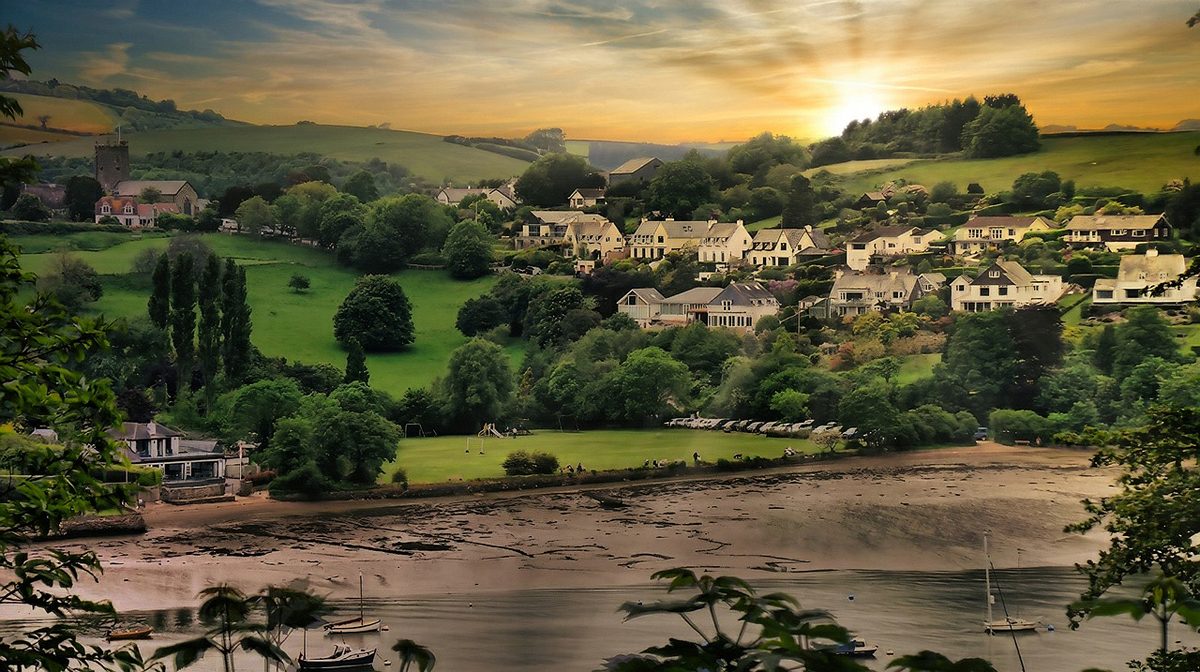
Bishopsteignton climbs a hillside on the north bank of the Teign estuary, halfway between Newton Abbot and Teignmouth, and its driveways carry the marks of that setting. Older cottage frontages sit on lanes that barely take a delivery lorry, while newer homes higher up the village get more generous, sloping plots with a view over the water. For 2026, a tarmac driveway here typically costs £45-£65 per square metre supplied and laid, so a standard 40m² two-car drive lands around £1,800-£2,600. Where you sit in that band is decided almost entirely by the site. The village catches South Devon's wet weather at over 1,000mm of rain a year - roughly 20-30% above the England average - a lot of plots fall away toward the estuary, and the ground along the valley edge runs to clay and greensand that needs a proper base. Each of those adds work, and here's where the money actually goes.
The 2026 Price Range for a Bishopsteignton Tarmac Drive
The working figure for Bishopsteignton and the wider Newton Abbot area in 2026 is £45-£65 per square metre, fully supplied and laid. That should cover excavating to a sensible depth, carting the spoil away, laying and compacting a stone sub-base, then a binder course and a tarmac wearing course, plus edge restraints.
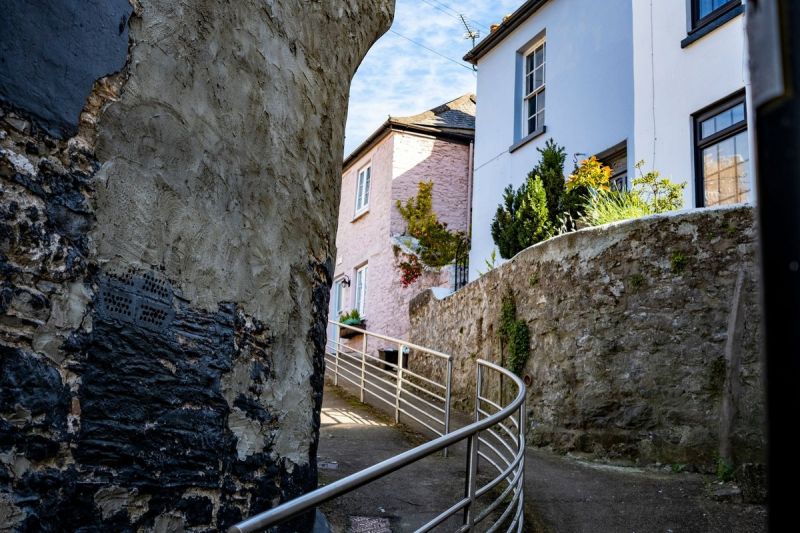
Where you land is fairly predictable. A level plot on one of the newer developments, with a lorry able to pull up alongside, sits near £45-£50. A sloping cottage frontage on a tight lane, with clay underneath and drainage to sort, sits at £60-£65 and sometimes above. That's a swing of around 40% on the same square metreage, which is why two quotes from streets a few hundred yards apart in the same village can look nothing alike.
For a firm number you need someone on the plot with a tape measure. West County Driveways covers Bishopsteignton, Teignmouth, Newton Abbot and the rest of Teignbridge, and prices from the site rather than from a photo. It's worth reading our Newton Abbot tarmac driveway cost guide alongside this one - the rates are broadly the same across the area, and comparing the two helps you spot a quote that's out of step.
What Common Bishopsteignton Driveway Sizes Actually Cost
Per-square-metre rates only mean something once you turn them into a total. A compact single drive of about 25m² comes out at roughly £1,100-£1,600. A standard two-car drive of 40m² is around £1,800-£2,600. A wider frontage with turning space, say 60m², runs about £2,700-£3,900. Longer approach drives, common on the larger plots up the hill at 80-100m², sit near £3,600-£6,500.
Bigger jobs usually earn a slightly better rate per square metre, because the fixed costs - getting machinery to the village, mobilising the crew, that first lorry load - get spread further. Expect maybe 5-10% off the per-metre rate once you're past 60m², assuming the access works.
Watch the Depth, Not Just the Area
Two quotes for the same 40m² can differ by £500 on build-up alone. A domestic car drive normally wants 100-150mm of compacted sub-base under 50-60mm of tarmac in two courses. On soft or clay ground that base goes to 200-250mm, and if the drive takes a van, caravan or motorhome, thicker still. Every extra 50mm of depth across 40m² is another 2 tonnes or so of stone, plus the spoil it shifts. Get the depths written on the quote.
The Hillside Lane Problem: How Access Changes the Price
Bishopsteignton's older lanes are narrow, with few passing spots and nowhere obvious for an eight-wheeler to park safely. That matters more with tarmac than almost any other surface, because the material turns up hot and has to be laid and rolled before it cools - usually within a couple of hours of leaving the plant.
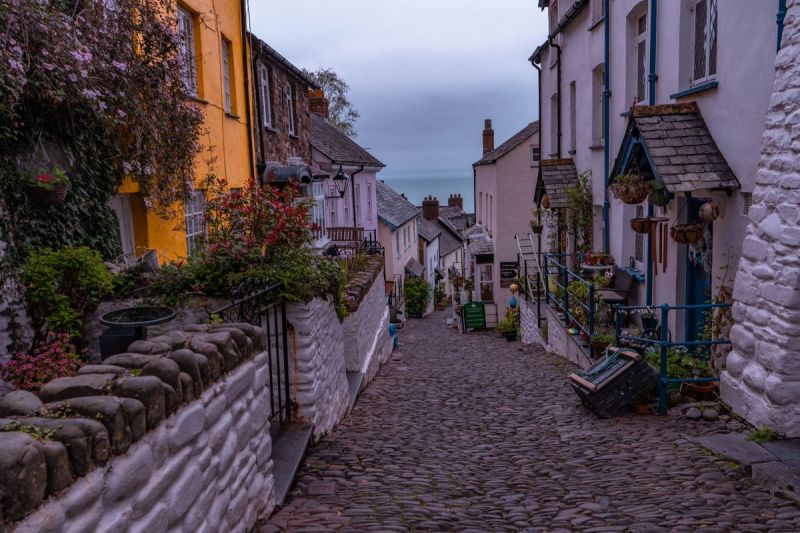
When a lorry can't get near, the tarmac has to be shuttled in by dumper or barrow, which burns labour hours and risks it cooling on the way. Restricted access commonly adds 5-15% to a job, and on genuinely tight or steep lanes more. Some contractors will simply decline the awkward ones, which thins your options and nudges prices up.
Muck-away works the same way. A 40m² drive dug to 200mm throws out roughly 6-8 tonnes of spoil, and if the grab lorry has to sit a hundred metres down the lane, every tonne costs more in time. Tipping charges have climbed steadily too, so removal is a bigger slice of the bill than it was five years ago.
Estuary Clay, Slope and Why the Base Matters Here
The ground along the estuary edge runs to clay and greensand, and clay is an awkward neighbour for a driveway. It swells when wet and shrinks when dry, so the ground under your drive is in slow, permanent motion. The only real defence is a properly built base: a deeper dig, 150-250mm of well-graded compacted stone, and compaction in layers rather than one deep tip of material.
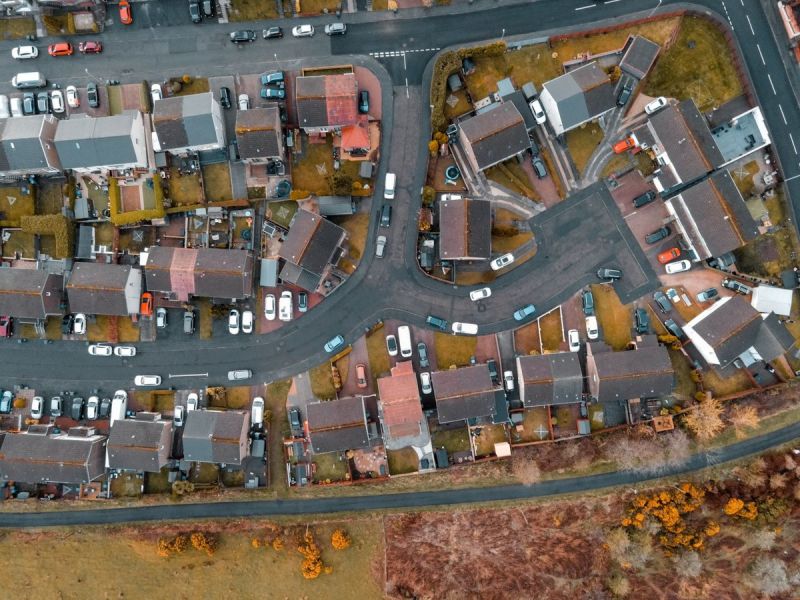
Slope piles on more. Plots dropping toward the water need levelling, sometimes a stepped design or a small retaining element, and always more thought about where run-off goes. Sloped work typically adds 10-20% over the same area on the flat.
It's tempting to trim the budget here, because none of it shows once the tarmac's down. Don't. The gap between a 100mm and a 200mm sub-base on clay is often the gap between a drive that's still sound at 20 years and one breaking up at eight. We've written about that failure pattern in our guide to tarmac driveway potholes and cracks in Newton Abbot, and nearly every case traces back to the base or to water.
Drainage Costs and the Planning Rules in Teignbridge
With over 1,000mm of rain a year and around 140-150 wet days, drainage isn't a bolt-on in this valley - it's part of the build. Tarmac is impermeable, so water has to be given a route out. A linear channel drain across the drive usually adds £250-£500 depending on length and outfall. Where there's no border or soakaway to use, a full soakaway can add £400-£900, and on clay it needs proper sizing because the ground drains slowly.
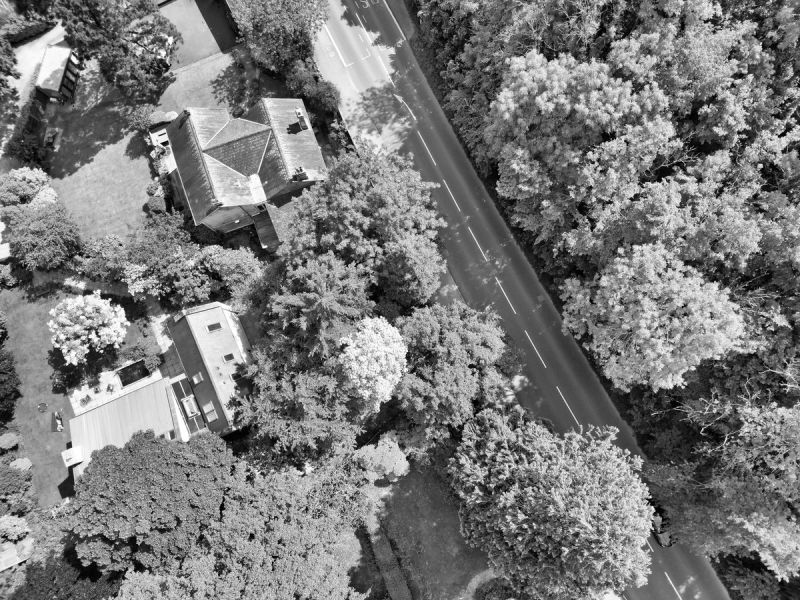
There's a planning angle too. Surface more than 5m² at the front of a house with an impermeable finish that drains onto the road and you'll normally need permission from Teignbridge District Council. Send the water to a permeable border, lawn or soakaway inside your boundary and you generally stay within permitted development, no application needed.
Two references are worth ten minutes before you settle a layout: the government guidance on permeable surfacing of front gardens{:target="_blank" rel="noopener noreferrer"} sets out the rules plainly, and the Planning Portal's page on paving your front garden{:target="_blank" rel="noopener noreferrer"} covers the practical detail. Reading them can save an expensive rethink later.
Reading a Quote: Where the Cheap Prices Hide
If one quote comes in well under the rest, something's usually been left out. The common omissions, in rough order of frequency:
Sub-base depth. A 100mm base quoted where the ground needs 200mm knocks £300-£500 off a 40m² price and takes a decade off the drive.
Edging. A block or kerb edge at roughly £25-£40 per linear metre is what stops tarmac spreading and crumbling at the border. On a typical Bishopsteignton drive that's £250-£450 - real money, and the first thing dropped from a bargain quote.
Wearing course thickness. A single 40mm layer instead of a proper 60mm two-course build-up saves the contractor material and costs you years.
Muck-away and VAT. Check whether spoil removal is included and whether the figure is inclusive of VAT. A 20% surprise at the end is a bad afternoon.
Get three itemised quotes and compare the specification, not the total. It's also sensible to check a contractor's standing - the TrustMark government-endorsed quality scheme{:target="_blank" rel="noopener noreferrer"} is a quick way to see whether a firm sits on a recognised register, alongside asking for recent local addresses you can drive past.
Timing, Weather and Contractor Availability in Devon
Tarmac wants dry, mild conditions to lay well. It doesn't need heat especially, but it does need the surface not to be running with water, and in South Devon those windows are narrower than in drier parts of the country. That shapes the calendar more than most people expect.
Late spring through early autumn is the busy season, and Devon's supply of competent driveway contractors is decent but not endless - the good ones are usually booked three to six weeks out through summer. If you want work done in June, enquire in April rather than late May. Winter work does happen between fronts, and you'll sometimes find keener pricing in November and February, but expect the start date to move if the weather turns.
Curing is quick, which helps. Tarmac is usually walkable within a few hours and takes cars after 24-48 hours, though it's worth keeping heavy vehicles and sharp-turning wheels off it for the first two to four weeks while it fully hardens.
Making a Bishopsteignton Driveway Budget Go Further
There are real savings and false ones. The real ones: combine work in one visit, since laying a drive and an adjoining path or parking bay together spreads the cost of getting plant to a narrow-lane, hillside site and can trim 5-10% off the per-metre rate. Reduce the surfaced area where you can - a gravel or planted border instead of tarmac right to the boundary cuts square metreage and helps with the drainage rules at the same time.
Overlaying is worth asking about too. If your existing drive is structurally sound with an intact base, a resurface at roughly £25-£40 per square metre can be about half the cost of a full dig-out and relay. It only works where the base is genuinely fine, so get an honest assessment rather than hoping.
The false savings are the base, the edging and the drainage. On Bishopsteignton's clay, on a hillside that catches a metre of rain a year, those three are what buy the extra decade. A drive that fails at year eight and needs doing again is the most expensive option there is.
---
FAQ
Q: How much does a tarmac driveway cost in Bishopsteignton in 2026?
A: Budget £45-£65 per square metre supplied and laid. That works out at roughly £1,100-£1,600 for a compact 25m² drive, £1,800-£2,600 for a standard 40m² two-car drive, and about £2,700-£3,900 for a 60m² frontage. Sloped plots, clay ground, drainage work and narrow-lane access push you toward the top of the range.
Q: Why does the estuary hillside make a Bishopsteignton driveway more expensive?
A: Two reasons. Sloping plots need levelling and sometimes a stepped design or small retaining element, which typically adds 10-20% over the same area on the flat. And the narrow, steep lanes make access harder for the lorry delivering hot tarmac, so material often has to be shuttled in by dumper or barrow - restricted access commonly adds another 5-15% to the job.
Q: How deep should the sub-base be on a Bishopsteignton driveway?
A: On the clay and greensand common along the estuary edge, 150-250mm of compacted stone is usually right for a domestic car drive, under 50-60mm of tarmac laid in two courses. A 100mm base may be enough on firm, free-draining ground but is a frequent corner-cut on clay, and it's the single biggest reason drives crack up within eight to ten years instead of lasting 20.
Q: Do I need planning permission for a tarmac driveway in Bishopsteignton?
A: If you're surfacing more than 5m² at the front of the house with an impermeable finish that drains onto the road, you'll normally need permission from Teignbridge District Council. Drain it instead to a permeable border, lawn or soakaway within your own boundary and it usually falls under permitted development, which is how most tarmac drives here are designed.
---
You might also like
West County Driveways