Tarmac Driveway Potholes and Cracks in Newton Abbot: Causes and Fixes
Cracks and potholes are the two faults that bring most Newton Abbot homeowners to look for a driveway repairer, and in a town this wet they turn up sooner than people expect. South Devon collects roughly 1,000mm of rain a year, well above the UK average of around 870mm, and every millimetre that gets into a hairline crack does damage. A crack you can barely see in July can be a 40mm-wide split by the following spring once water has been in and out of it through the winter. Pothole repairs on a domestic driveway typically run from £60 for a small cold-lay patch up to £400-£600 for a properly cut-out and reinstated section. The frustrating part is that most of these failures start small and cheap to fix, then get expensive because they were left. This guide covers what actually causes them in Newton Abbot's ground and weather, and how to tell a quick patch from a job that needs more.
Why Tarmac Cracks and Potholes Form in Newton Abbot
Tarmac fails from the base up far more often than from the surface down. The wearing course you can see is only 20-25mm thick on a typical domestic drive - the strength comes from the sub-base underneath, usually 150-200mm of compacted MOT Type 1. When that base moves, the tarmac has nothing to hold it and it cracks. West County Driveways sees this pattern constantly across Newton Abbot, and the cause is usually one of three things: water, ground movement, or a base that was never deep enough to begin with.
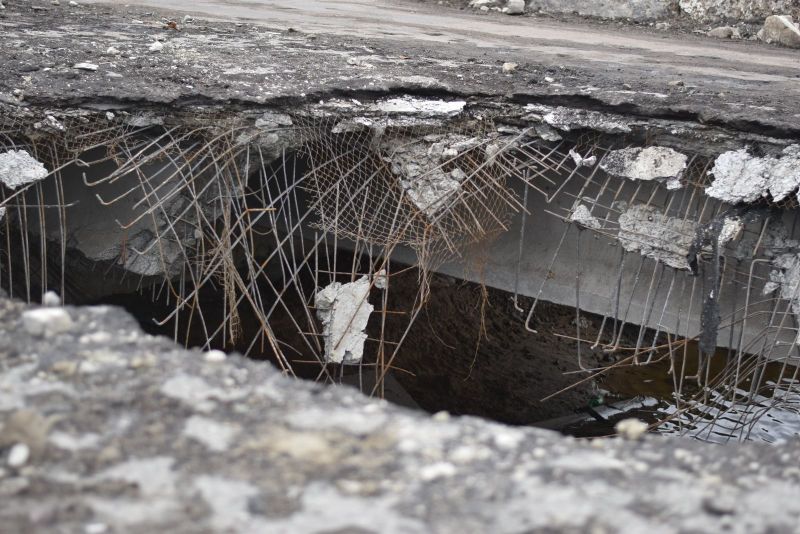
Water is the big one here. Once a crack lets water reach the sub-base, rain washes fine material out from under the tarmac and leaves a void. Drive over that void a few hundred times and the unsupported surface collapses into a pothole. In a town that sees rain on around 150 days a year, this happens fast.
Newton Abbot's clay-heavy subsoils make it worse. Clay swells when wet and shrinks when dry, so the ground itself lifts and drops with the seasons. Tarmac laid on clay without an adequate base cracks along the lines where the ground flexes most - often near the edges and around drain covers.
The Most Common Types of Tarmac Damage
Not all cracks mean the same thing, and knowing which type you have tells you how urgent it is.

Hairline and surface cracks are thin, shallow splits in the wearing course. On their own they're mostly cosmetic, but in Newton Abbot's climate they're the entry point for the water that causes everything worse. Sealing them early is a £100-£250 job that prevents a £500 one.
Crazing is a network of interconnected cracks that looks like crocodile skin. This is a sign the surface is fatigued or the base is failing underneath. Crazing over a large area usually means resurfacing rather than patching.
Edge fretting is where the tarmac crumbles away along the margins. It's extremely common on Newton Abbot drives because so many were laid without a proper edge restraint, and Devon's rain undermines the unsupported edge quickly.
Potholes are the end stage - a hole where the surface has broken through to the base. Once you have one, water gets in faster, so potholes tend to grow and multiply if ignored.
What Causes Edge Failure on Newton Abbot Drives
Edges take the worst of it. A tarmac driveway with no kerb, block, or concrete haunching to restrain the edge has nothing stopping the material spreading sideways under wheel loads. Over a few winters the margin frets, crumbles, and drops away.

Run-off makes this far worse in Newton Abbot. On the town's sloping plots - and there are plenty on the hillsides running up toward Ogwell and out toward Kingskerswell - rainwater sheets down the drive and pours off the lower edge. That constant flow scours away the sub-base right where the edge is weakest. Homeowners often notice a soft, sunken strip along one side before the tarmac itself breaks up.
A proper edge restraint costs £30-£60 per linear metre to install and is the single best defence against edge failure. If your drive is fretting at the margins, fixing the edge is usually more important than patching the surface, because the edge is where the water is getting in.
Repairing Cracks Before They Become Potholes
Catching a crack early is the cheapest thing you can do for a tarmac driveway. A crack wider than about 3mm should be dealt with before winter, because that's roughly the point where enough water gets in to start undermining the base.
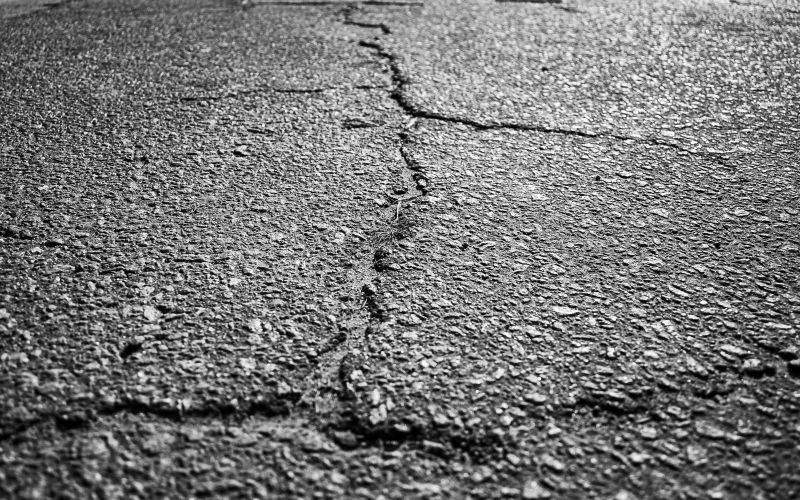
Small cracks are cleaned out, any vegetation or debris removed, and filled with a bituminous crack sealant or cold-lay tarmac. On a typical Newton Abbot drive this is a £100-£300 visit depending on how many metres of cracking there is. It won't make the drive look new, but it stops the water and buys years.
Timing matters in Devon. Sealants and cold-lay repairs need a dry, reasonably warm surface to bond, and Newton Abbot's damp autumns leave a narrow window. Late spring through early autumn is the realistic season for crack sealing, so it's worth booking before the wet months rather than after the damage is done. For the full picture on larger jobs, our guide to tarmac driveway repairs and resurfacing in Newton Abbot walks through the options when sealing alone isn't enough.
How Potholes Are Properly Fixed
There's a right way and a cheap way to fix a pothole, and the cheap way rarely lasts in Newton Abbot's ground.
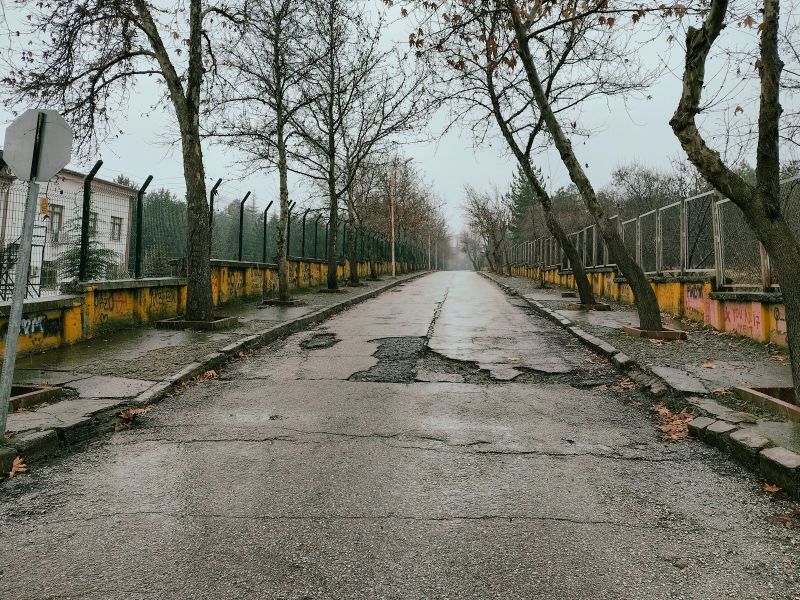
The cheap way is a cold-lay patch - tip material into the hole, tamp it down, and hope. It might cost £60-£120 and it might hold for a season, but if the underlying base has a void, the patch just sinks or pops out again the next time water gets under it.
The proper way is to cut out the failed area in a clean square, dig down to sound sub-base, replace and compact any lost Type 1 material, then lay and roll fresh hot tarmac flush with the surrounding surface. This is a £250-£600 repair depending on size and access, but it addresses the void that caused the pothole rather than just hiding it. On clay ground that moves, fixing the base is the only repair that lasts.
If a drive has several potholes plus widespread cracking, patching each one individually often costs more than it's worth. At that point resurfacing the whole area - laying a fresh wearing course over a sound, prepared base - usually gives better value and a uniform finish.
When Repair Isn't Enough - Repair vs Resurface vs Replace
Knowing when to stop patching saves Newton Abbot homeowners real money.
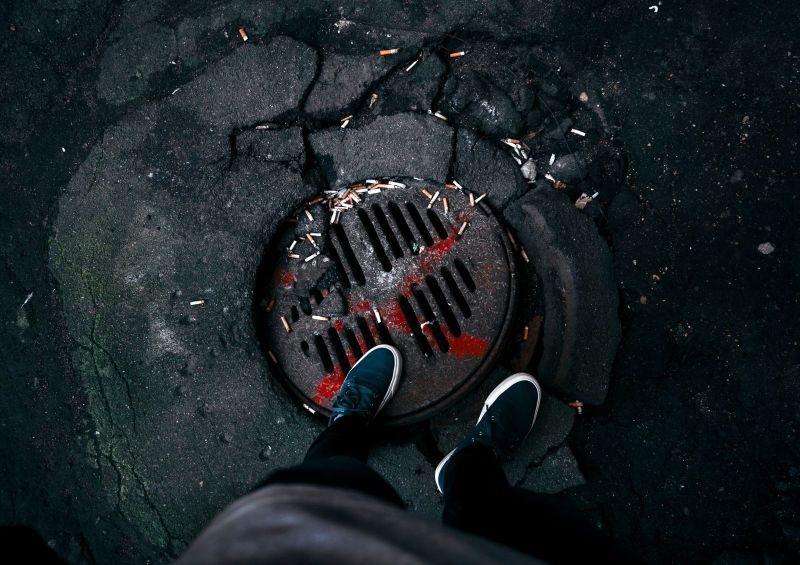
Repair (patch and seal) makes sense when the base is sound and the damage is localised - a couple of potholes, some cracking in one area. Budget £100-£600 depending on the extent.
Resurfacing - a new 25-40mm wearing course over the existing base - is right when the surface is tired across the whole drive but the sub-base underneath is still solid. On a standard 20-40m² Newton Abbot drive this typically runs £1,200-£2,500, far less than a full rebuild.
Full replacement is needed when the base itself has failed - widespread crazing, potholes that keep coming back after patching, or a drive that was laid on an inadequate base for the clay ground. This means excavating down, laying a new sub-base, and starting again, usually £2,500-£4,800 for a standard driveway. It's the expensive option, but on ground that's already proven the old base wasn't up to the job, it's the only one that gives you another 20-30 years. Our Newton Abbot tarmac driveway cost guide breaks down full installation pricing in detail.
Whichever route you take, use an installer you can check. TrustMark keeps a register you can search on the official TrustMark find-a-tradesperson service, and consumer body Which? publishes practical advice on choosing and vetting a driveway contractor that's worth reading before you sign anything.
Keeping Repairs Watertight in a Wet Climate
The whole battle in Newton Abbot is keeping water out of the base, so any repair worth paying for should improve drainage, not just fill a hole.
After a repair, check where water goes when it rains. If it ponds on the drive or runs toward the house, the repair hasn't solved the underlying problem and the tarmac will fail again in the same spot. A channel drain across the foot of the drive, running to a soakaway or border, costs £300-£600 and is often what actually fixes a recurring pothole. Impermeable tarmac over 5m² draining to the highway also needs to be managed for planning reasons - the government's guidance on permeable surfaces and paving front gardens explains the rules that apply here.
Sealing the surface every few years helps too. A fresh bitumen seal closes the micro-cracks that Devon's freeze-and-thaw winters open up, and on a typical drive it's a £250-£450 job that noticeably extends the life of the tarmac between bigger repairs.
---
FAQ
Q: How much does it cost to repair a pothole in a tarmac driveway in Newton Abbot?
A: A small cold-lay patch costs around £60-£120, but a properly cut-out and reinstated pothole - dug down to sound base, refilled, and rolled with fresh hot tarmac - costs £250-£600 depending on size and access. On Newton Abbot's clay ground the proper repair is usually the one that lasts, because it fixes the void under the surface rather than just filling the hole.
Q: Why does my tarmac driveway keep cracking?
A: Repeated cracking almost always points to a problem in the sub-base, not the surface. In Newton Abbot the usual causes are clay subsoils that swell and shrink with moisture, water getting into the base through unsealed cracks, or a base that was laid too shallow to begin with. Until the base issue is addressed, new surface repairs will keep cracking in the same places.
Q: Should I repair or resurface my tarmac driveway?
A: Repair localised damage when the base is sound - budget £100-£600 for patching and sealing. Resurface (£1,200-£2,500 on a standard drive) when the surface is tired across the whole area but the base is still solid. If the base itself has failed and potholes keep returning after patching, a full replacement at £2,500-£4,800 is the only lasting fix.
Q: How quickly do small cracks turn into potholes in Newton Abbot?
A: Faster than most people expect, because South Devon gets around 1,000mm of rain a year across roughly 150 wet days. Once water gets into a crack it washes fine material out of the base and leaves a void, which collapses into a pothole under traffic. A hairline crack left over one winter can become a pothole by spring, so sealing cracks early is the cheapest thing you can do.
---
You might also like
West County Driveways