Tarmac Driveways on Sloped Sites in Newton Abbot: What to Know
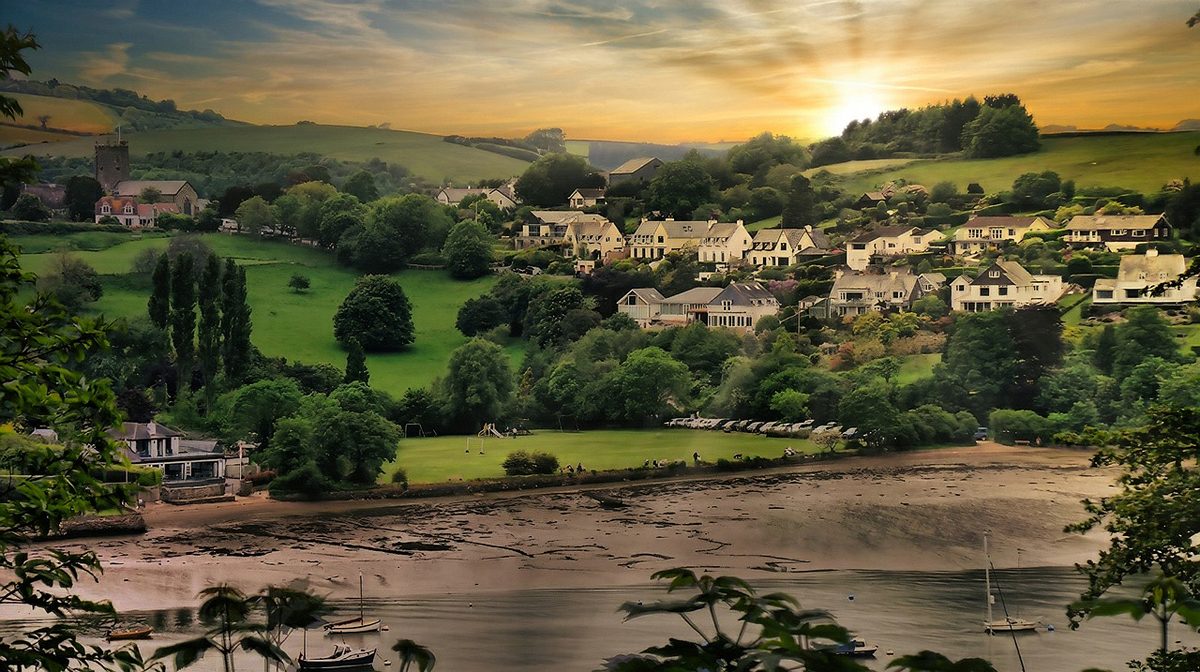
Plenty of Newton Abbot homes sit on a slope, and if yours does, a tarmac driveway needs a bit more thought than the standard flat job. The town spreads across the sides of the Teign Valley, with plots climbing the hills toward Ogwell, Wolborough and out to Kingskerswell, so gradient driveways are common here. On a slope, water moves fast, and with South Devon collecting around 1,000mm of rain a year - well above the UK average of roughly 870mm - that run-off is the single biggest thing that decides whether the driveway lasts. A well-built sloped tarmac drive typically costs 10-25% more than a flat one of the same size, mostly because of the extra drainage and edge work involved. Get those two things right and tarmac copes with a slope very well. Get them wrong and you'll be looking at edge failure and washouts within a couple of winters. Here's what actually matters on a sloped site in Newton Abbot.
Why Slopes Change the Job in Newton Abbot
On flat ground, rain sits and soaks or drains slowly. On a slope, it runs - and the steeper the drive, the faster and more concentrated that flow becomes. That's the core reason a sloped tarmac driveway is a different job. West County Driveways installs plenty of gradient drives around Newton Abbot, and on almost all of them the design starts with where the water goes, not the tarmac itself.
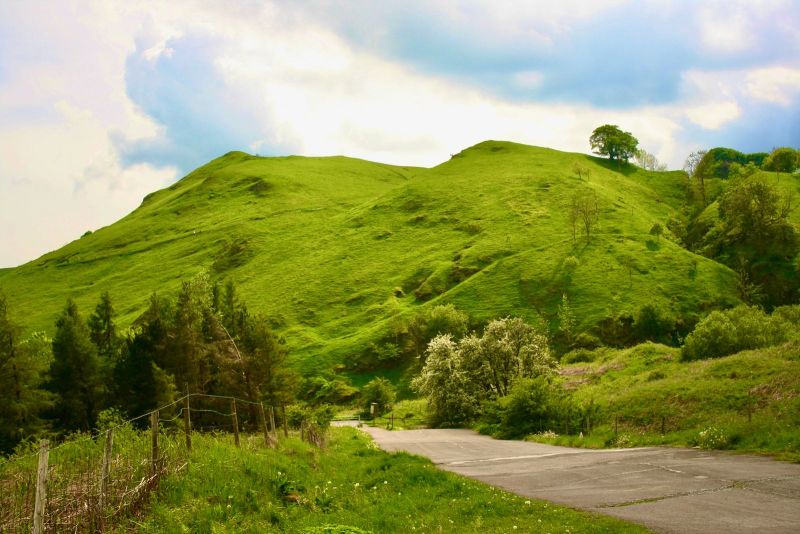
Fast-moving water does two things you don't want. It scours the surface and edges, wearing them faster than a flat drive would wear, and it carries away fine material from the base wherever it can get in. Over Newton Abbot's clay subsoils, which already move with the seasons, that combination undermines a poorly built slope quickly.
There's also the practical side. Laying and rolling hot tarmac on a gradient is harder - material wants to slide before it sets, and the roller has to work up and down the slope carefully. A steeper site simply takes more skill and time to finish flat and even, which is part of why the cost sits higher.
How Gradient Affects Drainage and Run-Off
The steeper the driveway, the more aggressively you have to manage water, and the numbers matter.
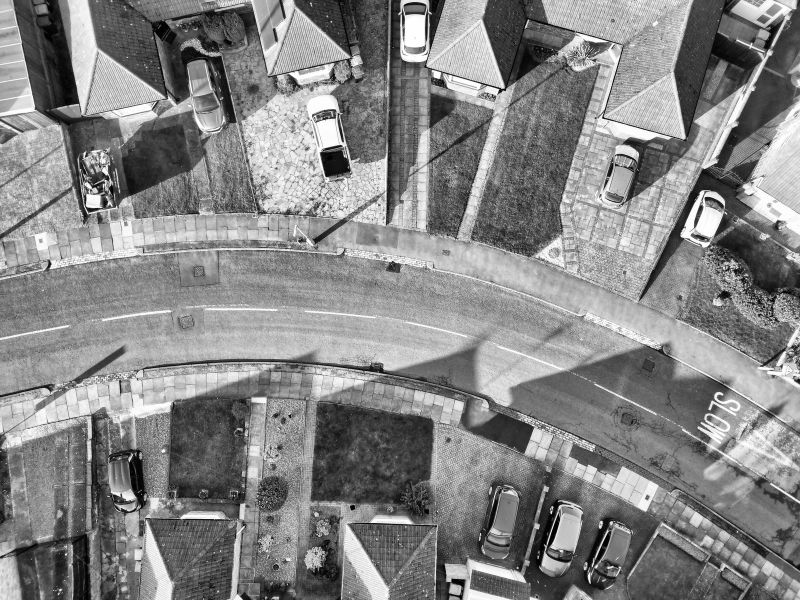
A gentle slope of up to around 1 in 20 (5%) usually drains fine with a single channel drain at the bottom. A moderate slope of 1 in 12 to 1 in 15 needs that channel drain plus careful attention to where the water is directed once it's caught. Anything steeper than about 1 in 10 (10%) often needs more than one drainage line - a channel partway down as well as at the foot - to stop water building up speed and volume over the full length.
The problem to avoid is water sheeting straight off the bottom of the drive onto the pavement or into the road, which is both a hazard and, for impermeable tarmac over 5m² draining to the highway, a planning issue. The government's guidance on permeable surfacing and paving front gardens sets out why front-garden run-off has to be managed rather than dumped onto the road.
A channel drain across the foot of a sloped drive costs £300-£600 installed, and on a steeper site a second mid-slope channel adds a similar amount. It feels like a lot next to the tarmac, but it's the part doing the real work on a gradient.
Getting the Base and Depth Right on a Slope
The sub-base does the structural work on any tarmac drive, and on a slope it needs to be built with extra care.

On flat ground a domestic drive usually gets 150-200mm of compacted MOT Type 1. On a slope over Newton Abbot's clay, the deeper end of that range - or more - is often the right call, because the base has to resist both traffic loads and the constant scouring pull of run-off. A base that would be fine flat can be undermined on a gradient if water finds its way under the lower edge.
Compaction has to be thorough in layers. A slope built up in one loose lift settles unevenly and cracks; built and rolled in 75-100mm layers, it stays put. This is slower work, and it's one of the corners a cheap quote will cut.
Where a slope is steep enough that the whole drive can't sit at one gradient, the base may need to be terraced or stepped, with retaining detail between levels. That's a bigger job, but on the steeper hillside plots around Newton Abbot it's sometimes the only way to get a usable, safe surface.
Edge Restraint and Preventing Wash-Out
Edges fail first on any tarmac drive, and on a slope they fail fastest, so edge restraint isn't optional here.
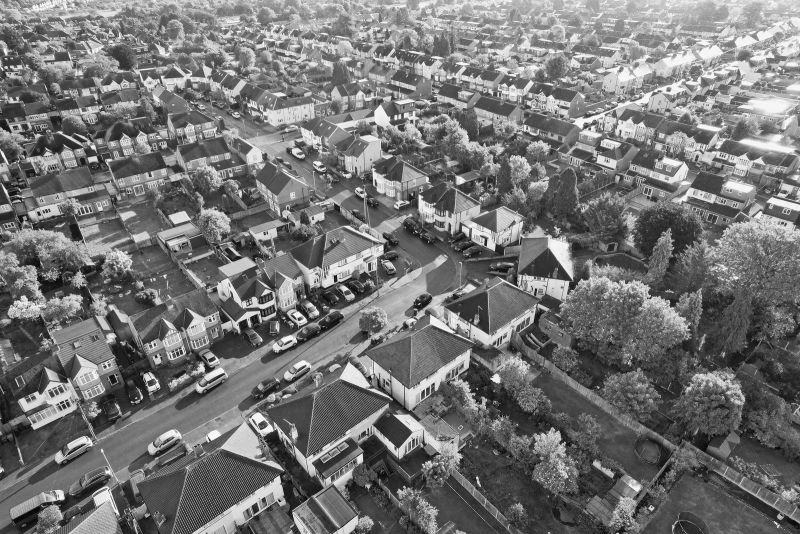
Run-off naturally follows the lowest line, which is usually one edge of the drive. Without a solid kerb, block, or concrete haunch holding that edge, water scours the sub-base out from under it and the tarmac frets, crumbles and drops away. On a Newton Abbot slope facing a full winter of Devon rain, an unrestrained lower edge can start failing inside two or three years.
A proper edge restraint costs £30-£60 per linear metre and is worth every penny on a gradient. On a sloped drive it does double duty - holding the tarmac in place and channelling water toward the drainage rather than letting it spill over the side and undercut the edge.
It's also worth thinking about the join where the drive meets the garage or house at the top of a slope. Water running down toward the building has to be intercepted before it reaches the threshold, usually with a channel or threshold drain, or you'll get water pooling against the garage door.
What a Sloped Tarmac Driveway Costs in Newton Abbot
Sloped drives carry the standard tarmac rate plus the extra drainage, edge and base work the gradient demands.
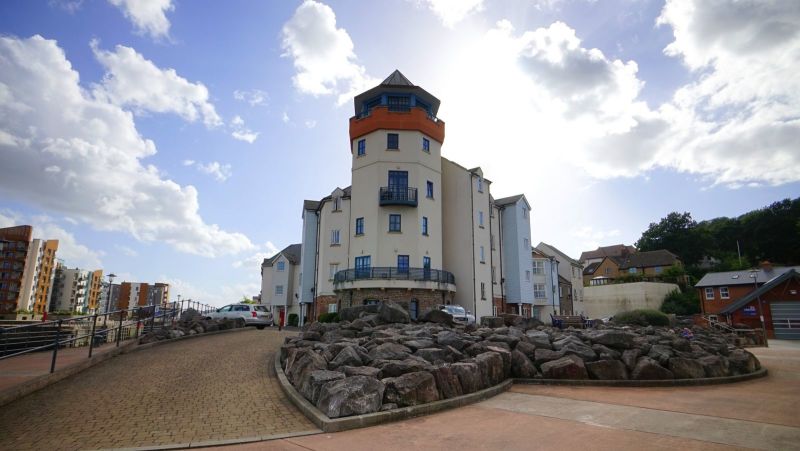
Tarmac itself is generally priced at around £45-£65 per square metre supplied and laid on a sound base. On a sloped site, expect the all-in cost to run roughly 10-25% higher than an equivalent flat drive because of the additional drainage runs, deeper or terraced base, and slower laying. As a rough guide, a standard 20-40m² sloped tarmac driveway with proper drainage and edging typically lands in the £2,500-£5,000 range depending on gradient, access and how much groundwork the site needs.
Steeper or terraced sites, or plots with tight access up in the hillier parts of town, sit toward the top of that range or beyond. The variables that push it up are the same ones that make the drive last - drainage capacity, base depth, and edge work - so they're not the places to save. For a full breakdown of standard installation pricing, our Newton Abbot tarmac driveway cost guide covers the flat-site baseline these figures build on.
Devon has a decent supply of experienced driveway installers, but the ones who do slopes well are worth waiting for, and demand is heaviest through the drier spring and summer months. Book early rather than trying to squeeze a gradient job into the wet season, when laying conditions are against you.
Choosing an Installer Who Knows Slopes
A sloped driveway exposes shortcuts far faster than a flat one, so who you hire matters more here than on level ground.
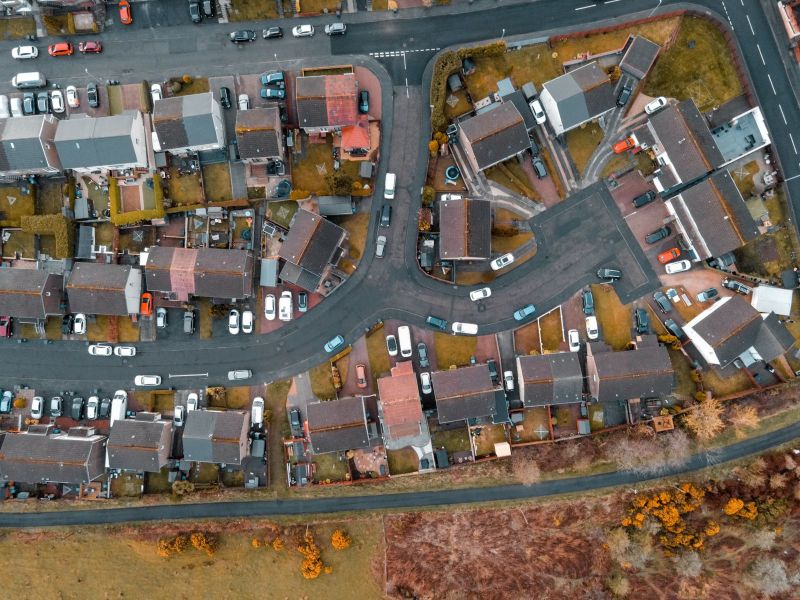
Ask any contractor specifically how they'll handle drainage and edge restraint on your gradient, and how deep the base will be. A good installer will talk about water before they talk about tarmac colour. If a quote doesn't mention drainage on a sloped front garden, that's a red flag - it usually means it's been left out to make the price look competitive.
Check the firm is properly registered and reviewed. TrustMark runs a government-endorsed register you can search on its find-a-tradesperson service, and consumer champion Which? has straightforward advice on vetting a driveway contractor before you commit. Reading both before you sign is fifteen minutes well spent.
Finally, get a site visit rather than a phone quote. Gradient, ground conditions and access can't be judged from a photo, and on a slope those are exactly the things that decide the spec and the price. If you're weighing tarmac against other surfaces on a slope, it's worth knowing tarmac is one of the more forgiving and cost-effective choices for a gradient when it's built properly.
Want to learn more about tarmac driveways on sloped sites in Newton Abbot? Click here to contact us.
---
FAQ
Q: Is tarmac a good choice for a sloped driveway in Newton Abbot?
A: Yes, tarmac copes well with a slope when it's built for one. On a gradient the key is drainage and a solid edge restraint - a channel drain to catch fast-moving run-off and a kerb or haunch holding the lower edge. Newton Abbot's roughly 1,000mm of annual rain means run-off is the main risk, so a sloped tarmac drive that's designed around water rather than just laid flat-style will last as long as any drive in town.
Q: How much more does a sloped tarmac driveway cost?
A: Expect roughly 10-25% more than an equivalent flat drive, driven by the extra drainage runs, a deeper or sometimes terraced base, and slower laying on the gradient. With tarmac itself around £45-£65 per square metre, a standard 20-40m² sloped drive with proper drainage and edging typically comes in around £2,500-£5,000 depending on how steep the site is and how tight the access is.
Q: What drainage does a sloped tarmac driveway need?
A: A gentle slope up to about 1 in 20 usually manages with a single channel drain at the foot. Steeper drives - beyond around 1 in 10 - often need a second channel partway down to stop water building speed and volume over the full length. A channel drain costs £300-£600 installed. For impermeable tarmac over 5m² draining toward the highway, managing that run-off is also a planning requirement, not just good practice.
Q: Why do sloped driveways fail at the edges?
A: Water follows the lowest line, which on a slope is usually one edge, and fast run-off scours the sub-base out from under an unrestrained edge until the tarmac frets and drops away. In Newton Abbot's wet winters an unprotected lower edge can start failing within two or three years. A proper edge restraint at £30-£60 per linear metre both holds the tarmac and channels water toward the drainage instead of over the side.
---
You might also like
West County Driveways