Red vs Black Tarmac Driveways in Newton Abbot: Colours, Costs, and What Lasts
Most people assume tarmac only comes in black, but red tarmac is a popular choice on Newton Abbot driveways too, and picking between them isn't just a taste decision - it affects both your budget and how the surface ages. Standard black tarmac lands somewhere around £45-£65 per square metre laid, while red tarmac typically carries a 15-30% premium because of the coloured aggregate and pigment involved. That gap matters on a full drive: on a typical 40m² frontage you could be looking at £600-£1,000 more for the red option. Colour also behaves differently in the Teign Valley's damp, shaded conditions, where over 1,000mm of annual rain and long spells without direct sun both play a part in how quickly a surface fades. This guide walks through the real differences in cost, appearance, and durability so you can choose the finish that still looks good in ten years.
Black vs Red Tarmac: The Basic Difference
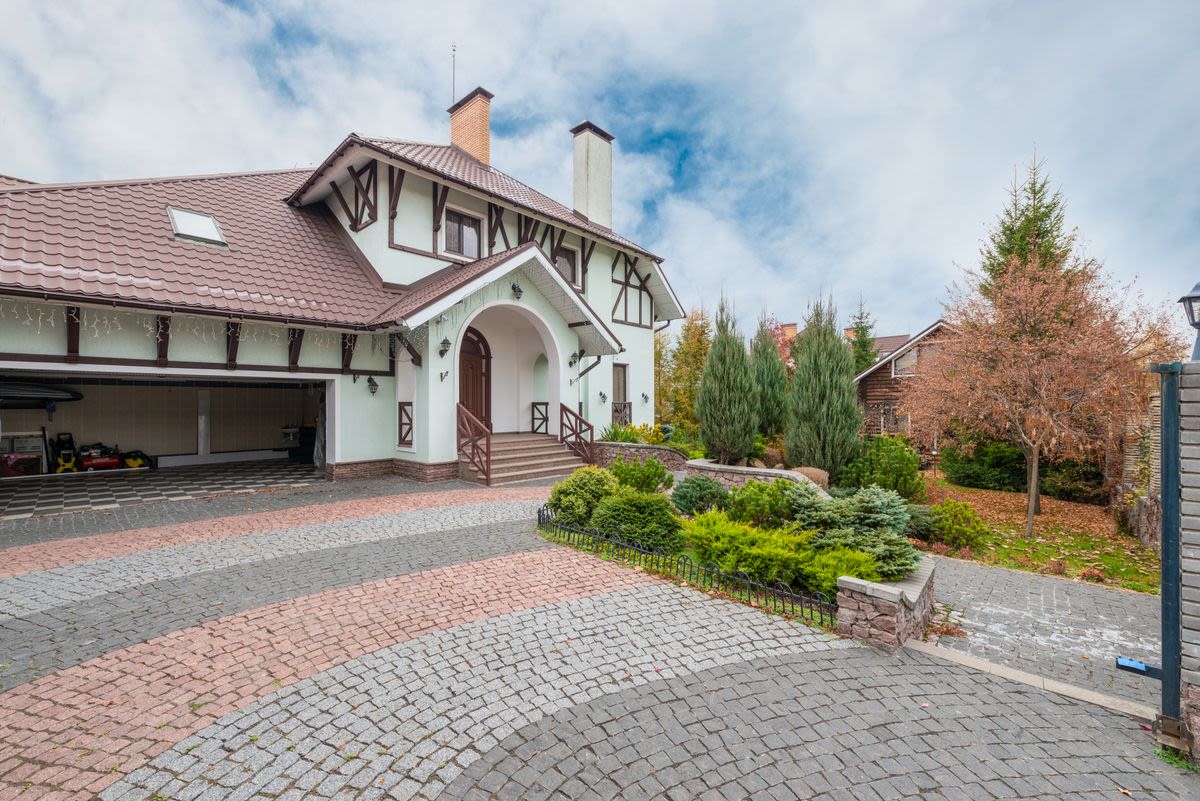
Black tarmac is the standard surface you see on most Newton Abbot driveways, and it gets its colour from the bitumen binder that holds the stone together. Red tarmac isn't a different material at heart - it's the same bitumen-bound aggregate, but with either a red-tinted stone, an added iron-oxide pigment, or both, to give it that warm terracotta look. That extra ingredient is where most of the price difference comes from.
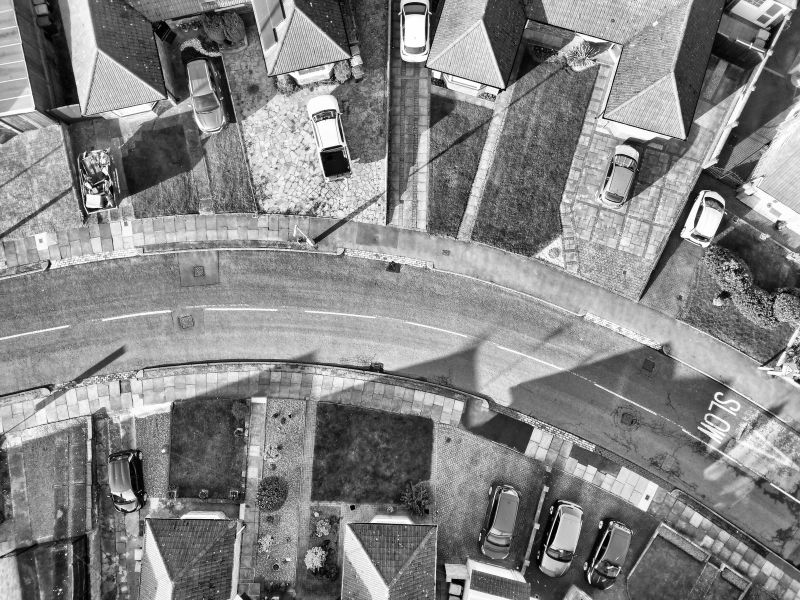
If you want a steer on which finish suits your property before committing, it's worth a quick word with a local installer who lays both regularly. The team at West County Driveways works across Newton Abbot and the wider Teignbridge area and can show you how each colour looks against different house styles, from the older market-town terraces near the centre to the newer render-and-brick estates spreading out toward Kingskerswell and Ogwell.
One thing worth knowing up front: red tarmac's colour lives mostly in the top layer. The base coat underneath is usually still standard black, and only the wearing course carries the pigment. That has real consequences for how it wears and repairs over time, which we'll come back to.
What Each Colour Costs in Newton Abbot
Black tarmac is the cheaper of the two, sitting in the £45-£65 per square metre range for a properly laid drive with a sound base. That figure covers excavation, a sub-base, edging, and the tarmac itself, though the exact number depends on access, how much digging out the site needs, and whether the old surface has to come up first.
Red tarmac usually adds 15-30% on top, so figure roughly £55-£85 per square metre depending on the depth of colour and the supplier. On a small 20m² drive that premium might only be £200-£400 in real money, but scale it up to a 50-60m² double drive and the difference can climb past £1,200. Coloured edging strips or a two-tone border, which some homeowners add to frame a red drive, push it up further.
There's also a smaller regional factor. Devon has a healthy supply of driveway contractors, but coloured tarmac is a more specialist finish, so fewer local firms carry the red aggregate as standard stock. That can mean a slightly longer lead time or a modest surcharge for smaller jobs where the material has to be ordered in specially.
How Colour Holds Up in South Devon's Wet, Shaded Climate
This is where the two finishes really part ways. Black tarmac fades too - fresh black mellows to a softer charcoal grey over the first two or three years as UV and weather work on the bitumen - but because it starts dark, that fade reads as natural and most people barely notice it. A quick reseal every few years brings the deep black back.
Red tarmac is less forgiving. Pigmented surfaces are more prone to visible fading, and in Newton Abbot's climate there are two forces at work. UV bleaches the red tone over time, and the constant damp encourages moss and algae, which sit as a green-black film over the red and dull it fast. On a north-facing or hedge-shaded drive - and there are plenty of those around here, tucked behind boundary walls or in the shade of a semi - a red surface can start looking tired within four or five years without upkeep.
The practical takeaway is that red tarmac asks for more maintenance to keep its looks. Regular brushing, an occasional algae treatment at around £10-£15 a bottle, and a pigmented reseal every three to five years all help hold the colour. Black tarmac tolerates a more relaxed routine and still looks acceptable. We go through the full upkeep routine in our guide to keeping a tarmac driveway looking new in Newton Abbot, which applies to both colours but matters more for red.
Durability and Repairs: Does Colour Change Anything?
Structurally, red and black tarmac are as tough as each other. Both are bitumen-bound surfaces that, laid over a proper sub-base, will comfortably last 15-20 years or more in Newton Abbot before they need resurfacing. Colour has no bearing on load-bearing strength or how the material copes with our clay-heavy subsoils and the freeze-thaw cycles that follow a wet Devon winter.
Where colour does bite is repairs. When a black drive cracks or develops a pothole, a cold-lay repair pack at £15-£25 a bag blends in reasonably well because everything is roughly the same shade. On a red drive, matching a repair patch to a surface that has already faded from its original tone is genuinely difficult, and a fresh red patch on a weathered red drive often stands out more than the crack did. That means red repairs frequently look best done as a full re-lay of a section rather than a spot patch.
Ponding, Wear and Colour Loss
Keep an eye on low spots where water gathers after rain. Standing water accelerates surface wear on any tarmac, but on red it also concentrates colour loss, leaving pale washed-out patches where the puddle sits. Sorting drainage and falls early - ideally a fall of around 1-in-40 to 1-in-60 across the drive - protects both the surface and its colour. If puddles are already forming, that's a drainage issue worth addressing before it eats into the finish.
Which Colour Suits Your Property?
Black is the safe, low-fuss all-rounder. It suits almost any house, hides oil marks and general grime better, needs less babysitting, and costs less - which is why it's the default on most Newton Abbot drives. If you want a surface you can largely forget about between the occasional wash and reseal, black is the sensible pick.
Red comes into its own where you want warmth and contrast, particularly against grey render, natural stone, or a period frontage where black can look a little stark. It can lift a property's kerb appeal noticeably, and around 1 in 5 homeowners choosing a coloured drive do so specifically to complement brick or stone detailing. The trade-off is the higher cost and the ongoing upkeep to keep it from fading, so it rewards owners who don't mind a bit of maintenance.
A middle path some Newton Abbot homeowners take is a black drive with a red or buff border, or red used only on a smaller feature area like a path or a parking bay, keeping costs and maintenance down while still getting a splash of colour. A good local installer can mock up the options against your actual house before you commit.
Getting an Honest Recommendation Locally
Whichever colour you're leaning toward, the quality of the base and the drainage matters far more than the shade on top - a beautifully coloured drive over a poor base will fail long before its colour fades. When comparing quotes, look for firms that will visit and assess the ground rather than pricing off a photo, and ask specifically how they plan to handle falls and drainage on your plot.
It's also worth checking a contractor is registered with a recognised scheme. The government-backed quality register TrustMark lets you check a tradesperson is properly vetted, which is a sensible first filter when you're spending four figures on a driveway. Ask any installer whether they've laid coloured tarmac before and to show you examples locally, because red is less forgiving of a rushed job than black.
If you'd like to see how red and black would each look on your drive, and get a straight answer on cost and upkeep for your specific plot, a local assessment is the best place to start.
---
FAQ
Q: Is red tarmac more expensive than black in Newton Abbot?
A: Yes. Black tarmac runs roughly £45-£65 per square metre laid, while red tarmac carries a 15-30% premium for the coloured aggregate and pigment, putting it around £55-£85 per square metre. On a typical 40m² drive that's a difference of £600-£1,000, and it grows on larger drives or where coloured borders are added.
Q: Does red tarmac fade faster than black?
A: In practice, yes. Both colours fade, but black starts dark so it mellows unnoticed, whereas red's pigment is more prone to visible bleaching from UV and to being dulled by moss and algae. In Newton Abbot's wet, often shaded conditions a red drive can look tired within four or five years without regular cleaning and a pigmented reseal every three to five years.
Q: Does the colour of tarmac affect how long the driveway lasts?
A: No, colour has no effect on structural lifespan. Red and black tarmac are both bitumen-bound surfaces that last 15-20 years or more over a proper base. Colour only affects appearance and repairs - patching a faded red drive to match is harder than patching black, so red repairs often look best done as a section re-lay.
---
You might also like
West County Driveways