Widening a Driveway for Two Cars in Newton Abbot: Costs, Rules and What's Involved
Two cars per household is now normal, and most Newton Abbot driveways were laid when it was not. Around 35% of UK households run two or more vehicles, and in South Devon that share is higher because public transport outside the town is limited and a lot of people commute to Exeter or Torbay by car. The result is a street full of homes with a single-width drive and a second car on the verge. Widening a driveway typically costs £1,800 - £5,500 in Newton Abbot depending on surface and groundworks, and it is one of the few home improvements that reliably pays for itself in convenience and in kerb appeal. Here is what the job actually involves, the dimensions that work, and the permissions you may need.
The Dimensions That Actually Work
Get this wrong and you have a wider driveway that still only holds one car comfortably.
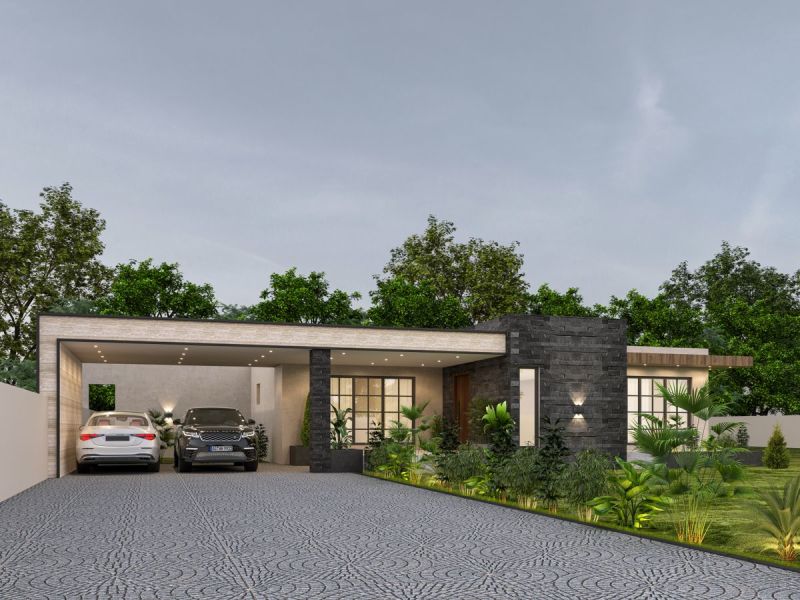
A single parking bay needs 2.4m minimum width, and 2.7m if you want to open a door without hitting a wall. Two cars side by side need 4.8m absolute minimum, and realistically 5.2 - 5.5m to be usable every day with doors, wing mirrors and a wheelie bin in the equation. Length matters too: 4.8m takes a hatchback, 5.5m takes most family cars and estates, and 6m is what you want for anything larger or for a car plus a bike.
Two cars in tandem, one behind the other, needs 9.6 - 11m of depth and a width of 2.7m. That suits a lot of Newton Abbot properties better than side by side, because plot widths on the estates at Buckland, Milber and Highweek are often tighter than the frontages suggest.
Before assuming side by side is possible, measure the frontage between any fixed obstruction: a bay window, a manhole, a boundary wall, a telegraph pole. West County Driveways will survey the frontage and tell you honestly whether the space works, which saves finding out after the front garden has gone.
What It Costs in Newton Abbot
Costs depend on surface and on what is being removed.
Widening in tarmac runs £55 - £85 per square metre, so extending a drive by 2.5m x 6m is roughly £850 - £1,300 for the surface alone. Block paving is £90 - £140 per square metre, or £1,400 - £2,100 for the same area. Resin bound is £80 - £120 per square metre over a suitable base, £1,200 - £1,800 for that area, but resin needs a sound substrate so it is rarely the cheapest option on a widening.
Then the groundworks. Removing a front garden lawn and excavating to depth is £30 - £50 per square metre. Taking out a wall, hedge or established shrubs is £300 - £900. A new retaining edge is £60 - £110 per linear metre. Drainage provision is £400 - £1,200 depending on the solution.
All in, a typical Newton Abbot widening job comes to £1,800 - £3,200 in tarmac and £2,800 - £5,500 in block paving.
Where the Money Actually Goes
People assume the surface is the cost. On a widening it usually is not. Excavation, spoil removal and edge detail account for 40 - 60% of the bill, particularly on the sloping frontages that are common around Newton Abbot and up towards Highweek and Wolborough.
Dropped Kerbs: The Part That Catches People Out
If widening the driveway means vehicles will cross a section of footway that currently has no dropped kerb, you need a vehicle crossing application before any work begins. Driving over a full-height kerb is an offence and can result in you being billed for damage to the footway.
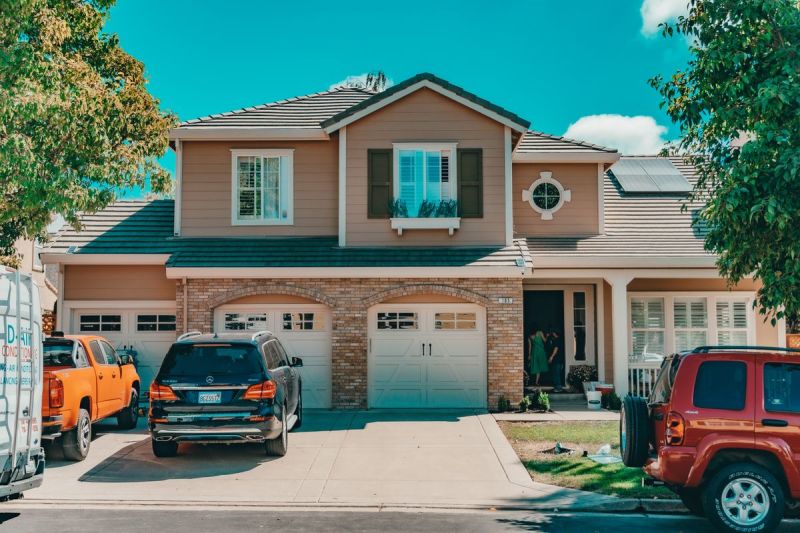
An existing dropped kerb usually covers 2.7 - 3.6m. Widening the drive to 5.2m and expecting to reverse in at an angle across the remaining kerb does not work in practice, and it does not satisfy the highway authority either. Extending a crossing in Newton Abbot is applied for through Devon County Council as highway authority, and costs typically fall between £700 and £2,000 including the works, which must be carried out by an approved contractor.
Applications commonly take six to twelve weeks. Start that process before booking the driveway work, not after. Check current requirements on Devon County Council's roads and transport pages, and note that visibility splays, proximity to a junction and the presence of street furniture such as lamp columns and gullies can all affect whether an extension is approved.
Planning Permission and the Drainage Rule
Widening a driveway is usually permitted development, with one important condition. Since 2008, laying more than five square metres of impermeable surface in a front garden requires planning permission unless the water drains to a permeable area within the property.
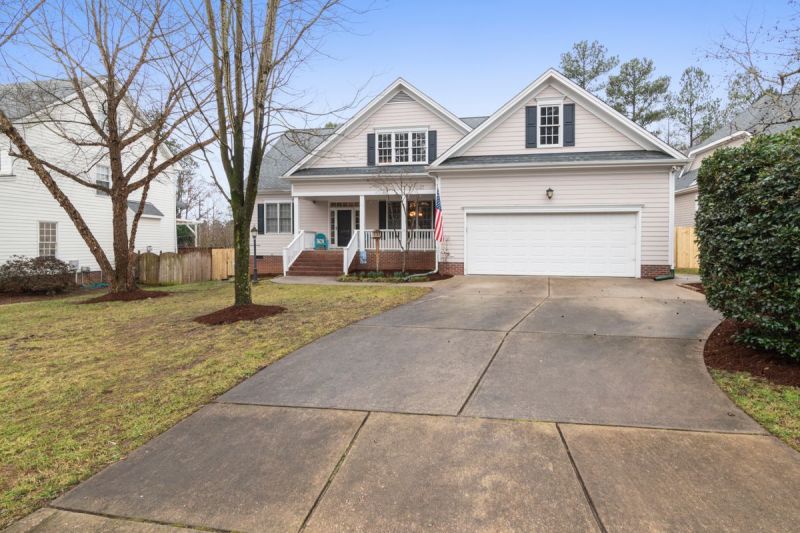
Most driveway widenings exceed five square metres easily. So you either use a permeable surface, or you direct the run-off to a soakaway, a permeable border or a lawn. Directing it to the highway is not acceptable and is the thing that gets people in trouble.
This is well covered in the Planning Portal's guidance on paving front gardens, and we have written about whether you need planning permission for a tarmac driveway in Newton Abbot which goes into how the rule applies to specific surfaces.
Listed buildings and conservation areas are different. Newton Abbot has conservation areas including parts of the town centre, and Totnes, Ashburton and Dartmouth have extensive ones. Permitted development rights are frequently restricted there.
South Devon Ground and Drainage Reality
Newton Abbot sits at the head of the Teign estuary, with a mix of ground conditions: alluvial deposits on the low ground near the river, Devonian limestone and shale on the higher parts, and clay in between.
That matters for two reasons. Soakaways work well on the free-draining limestone areas around Kingsteignton and Abbotskerswell but poorly on clay and on the low-lying alluvium near the Teign, where the water table can be within a metre of the surface in winter. If a contractor quotes a soakaway without a percolation test, ask how they know it will work.
Rainfall here runs around 900 - 1,000mm a year, higher than the English average, spread across roughly 150 wet days with the wettest period from October to January. Add the frequency of intense summer downpours and the drainage design on a widened driveway is not a formality. Standing water on a new tarmac drive within its first winter is almost always a falls or drainage problem rather than a surface problem.
Falls should be a minimum of 1:60 away from the house, and on a widening you are tying into an existing level, which is where a lot of amateur jobs go wrong.
Matching New to Old, or Not Bothering
The honest answer on matching is that you usually cannot, and trying half-heartedly looks worse than not trying.
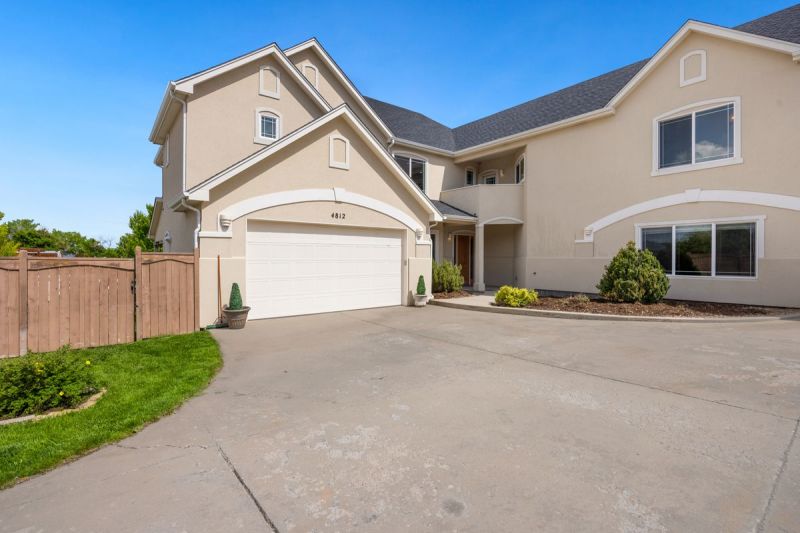
Tarmac laid five years ago has weathered to a grey that fresh tarmac will not match for two or three years. Block paving from a discontinued range is close to impossible to source, and even the same product from the same manufacturer varies by batch. Resin is the most matchable if you have the original aggregate specification, and the least forgiving if you do not.
Three approaches work. Resurface the whole driveway so it is uniform, which adds £900 - £2,500 but gives the best result. Deliberately contrast, using a different but complementary material for the new section with a defined edge, which reads as design rather than repair. Or accept the mismatch on tarmac and wait, because in three years it will have blended considerably.
Sequencing the Job
Get the dropped kerb application in first, because it is the longest lead item at six to twelve weeks.
While that is running, decide the surface, confirm the drainage strategy and get quotes. Deal with any tree or hedge removal, and check for a Tree Preservation Order before touching anything mature - Teignbridge has plenty of them and removing a protected tree carries serious penalties.
Book the driveway work for a window between April and September if you can. South Devon's wet season makes tarmac laying and resin curing more difficult, and resin in particular cannot be laid onto a damp base or below about 5C. A February resin job in Newton Abbot is possible but it is not where you want to be.
Allow two to four days on site for a typical widening: a day for excavation and spoil, a day for sub-base and edging, and a day for surfacing, with resin needing a curing day on top.
Want to learn more about widening a driveway for two cars in Newton Abbot? Click here to contact us.
Frequently Asked Questions
How wide does a driveway need to be for two cars?
4.8m is the absolute minimum for two cars side by side and 5.2 - 5.5m is what actually works day to day once you allow for opening doors, wing mirrors and a bin. Depth should be at least 4.8m for a hatchback and 5.5 - 6m for a family car or estate. Where the frontage is too narrow, tandem parking needs 2.7m of width and 9.6 - 11m of depth, which suits many Newton Abbot plots better.
Do I need a bigger dropped kerb if I widen my driveway?
Usually yes. Existing crossings are typically 2.7 - 3.6m wide, and widening the drive beyond that means vehicles crossing full-height kerb, which is an offence and can leave you liable for footway damage. Extension is applied for through Devon County Council, takes six to twelve weeks, and costs roughly £700 - £2,000 including works by an approved contractor. Apply before booking the driveway job.
Do I need planning permission to widen a driveway in Newton Abbot?
Not usually, provided you either use a permeable surface or direct run-off to a soakaway, border or lawn within your own property. Laying more than five square metres of impermeable surface in a front garden that drains to the highway does require permission. Conservation areas and listed properties often have permitted development rights restricted, so check before starting.
What does it cost to widen a driveway in Newton Abbot?
£1,800 - £3,200 for tarmac and £2,800 - £5,500 for block paving on a typical job, including excavation, sub-base, edging and drainage. Resin bound sits between the two at £80 - £120 per square metre over a sound base. Removing a wall, hedge or mature planting adds £300 - £900, and a dropped kerb extension is a separate £700 - £2,000 through the highway authority.
```json { "@context": "https://schema.org", "@type": "FAQPage", "mainEntity": [ { "@type": "Question", "name": "How wide does a driveway need to be for two cars?", "acceptedAnswer": { "@type": "Answer", "text": "4.8m is the absolute minimum for two cars side by side and 5.2 to 5.5m is what actually works day to day once you allow for opening doors, wing mirrors and a bin. Depth should be at least 4.8m for a hatchback and 5.5 to 6m for a family car or estate. Tandem parking needs 2.7m of width and 9.6 to 11m of depth, which suits many Newton Abbot plots better." } }, { "@type": "Question", "name": "Do I need a bigger dropped kerb if I widen my driveway?", "acceptedAnswer": { "@type": "Answer", "text": "Usually yes. Existing crossings are typically 2.7 to 3.6m wide, and widening beyond that means vehicles crossing full-height kerb, which is an offence and can leave you liable for footway damage. Extension is applied for through Devon County Council, takes six to twelve weeks, and costs roughly £700 to £2,000 including works by an approved contractor." } }, { "@type": "Question", "name": "Do I need planning permission to widen a driveway in Newton Abbot?", "acceptedAnswer": { "@type": "Answer", "text": "Not usually, provided you either use a permeable surface or direct run-off to a soakaway, border or lawn within your own property. Laying more than five square metres of impermeable surface in a front garden that drains to the highway does require permission. Conservation areas and listed properties often have permitted development rights restricted." } }, { "@type": "Question", "name": "What does it cost to widen a driveway in Newton Abbot?", "acceptedAnswer": { "@type": "Answer", "text": "£1,800 to £3,200 for tarmac and £2,800 to £5,500 for block paving on a typical job, including excavation, sub-base, edging and drainage. Resin bound sits between the two at £80 to £120 per square metre over a sound base. Removing a wall, hedge or mature planting adds £300 to £900, and a dropped kerb extension is a separate £700 to £2,000." } } ] } ```
You might also like
West County Driveways