Tarmac Driveway Maintenance in Newton Abbot: Keeping It Looking New
A tarmac driveway is one of the lowest-maintenance surfaces you can lay, but "low maintenance" isn't "no maintenance", and in Newton Abbot that distinction matters more than most people expect. The town sits in the Teign Valley catching well over 1,000mm of rain a year, roughly 20-30% wetter than the England average, and a lot of that rain lands on driveways that spend half the day in the damp shade of a semi or a boundary hedge. Those are perfect conditions for moss, algae and slow water damage. The good news is that keeping a tarmac drive looking sharp costs very little - a rough budget of £30-£80 a year on cleaning products and the occasional £150-£400 seal coat every few years. Get the basics right and a Newton Abbot tarmac driveway can hold its colour and surface well past 20 years. Neglect it and you'll be looking at resurfacing inside a decade.
Why Tarmac Maintenance Matters More in Newton Abbot's Climate
Tarmac is a bitumen-bound surface, and bitumen doesn't love two things: standing water and UV. Newton Abbot delivers plenty of the first. With annual rainfall comfortably north of 1,000mm and a genuinely damp micro-climate on the valley floor, driveways here stay wet longer than they would in a drier part of the country. Water that sits on the surface or seeps into hairline cracks is what does the real long-term harm, freezing occasionally in winter and slowly loosening the aggregate.
The second issue is shade. A huge number of Newton Abbot homes - the older market-town terraces near the centre and the newer estates creeping out toward Kingskerswell and Ogwell - have driveways that never get a full day of sun. North-facing frontages and drives tucked behind hedges or fences stay damp, and damp plus shade equals moss and algae. That green film isn't just cosmetic. It holds moisture against the surface and makes the driveway slippery, which is a real concern on the sloped, Dartmoor-edge plots common around here.
If you're not sure whether your drive needs a light clean or something more involved, it's worth a quick chat with a local installer. The team at West County Driveways works across Newton Abbot and the wider Teignbridge area and can tell you in a five-minute look whether you're dealing with surface grime or the early signs of something structural.
Keeping Moss, Algae and Weeds Under Control
Moss and algae are the number-one maintenance headache for tarmac in South Devon, and they come back every autumn and winter without fail. The simplest routine is a stiff brush and a bucket of warm water with a bit of washing-up liquid two or three times a year, catching the growth before it establishes. For anything more stubborn, a dedicated path and patio cleaner or a diluted algae treatment does the job for around £10-£15 a bottle.
A pressure washer is tempting, and it works, but go gently. A domestic washer over about 1,500-2,000 PSI held too close will strip the fine bitumen-rich top layer off tarmac and expose the stones underneath, which ages the surface prematurely. Keep the nozzle a good 30cm back, use a fan tip rather than a pinpoint jet, and never linger in one spot. Once or twice a year is plenty.
Weeds tend to appear at the edges where the tarmac meets a border or a wall, rather than through the middle of a sound surface. Pull them or spot-treat them early, because roots working into an edge over a couple of seasons can lift and crack the margin - and edges are the most expensive part of a driveway to put right.
Sealing a Tarmac Driveway: Is It Worth It?
Seal coating is the single most effective thing you can do to extend a tarmac driveway's life, and it's underused in Devon. A tarmac sealer is a bitumen-based liquid rolled or squeegeed over the surface that restores the deep black colour, fills surface hairlines, and puts a waterproof skin over the bitumen so rain and UV can't degrade it as quickly. On a typical 20-40m² Newton Abbot drive you're looking at £150-£400 to have it done professionally, or £40-£80 in materials to do it yourself on a dry weekend.
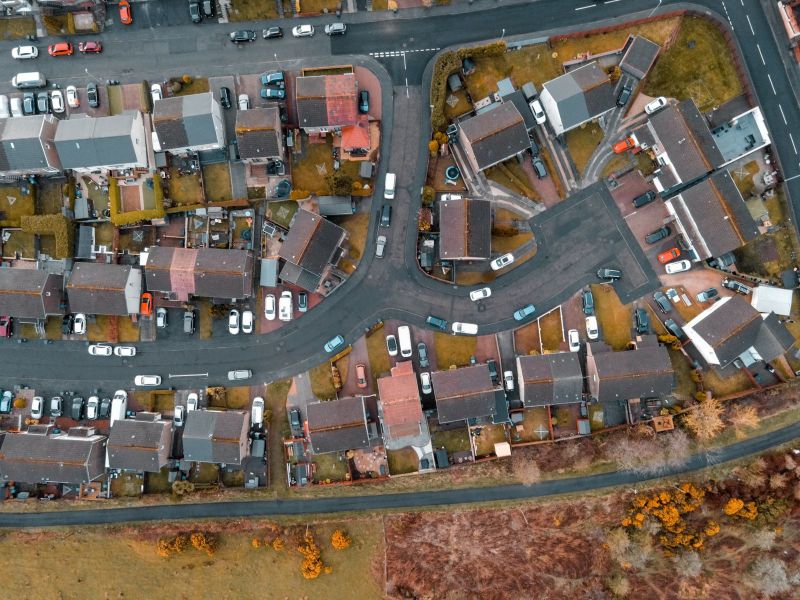
How often? Every three to five years is the general guideline, though in a wet, shaded spot you might lean toward the shorter end. The best window is late spring or summer when you can count on 24-48 hours of dry, mild weather - not always easy to find in South Devon, so book it when the forecast cooperates. A freshly sealed drive that had faded to grey comes back looking close to new, which is why it's a favourite trick before selling a house.
One caveat: sealing is a surface treatment, not a repair. If the tarmac is already cracked through or the base has failed, a seal coat just papers over the problem. In that case you're into repair territory, which we cover in our guide to tarmac driveway repairs and resurfacing in Newton Abbot.
Dealing With Cracks, Potholes and Surface Damage Early
Small problems on a tarmac driveway are cheap to fix and expensive to ignore. A hairline crack lets water into the base, and on Newton Abbot's clay-heavy subsoils that water sets off the expand-and-contract cycle that turns a 2mm crack into a 20mm one over a few winters. Catching it early is the whole game.
For minor cracks, a bitumen crack filler from any builders' merchant costs around £10-£20 a tube and seals things up in an afternoon. For small potholes or crumbling patches, cold-lay tarmac repair packs run about £15-£25 a bag and are genuinely DIY-able for a small area. The trick is to clean out all the loose material first, otherwise the repair won't bond and you'll be doing it again next year.
Bigger areas of cracking, sinking or spreading edges are a sign the base is moving, and no amount of patching will fix that - it needs a proper assessment. As a rough marker, if more than about 20-25% of the surface is affected, resurfacing usually makes more financial sense than repeated repairs. Keep an eye on low spots where puddles form after rain too; ponding is often the first visible clue that the ground beneath has started to settle.
A Simple Year-Round Maintenance Routine
Tarmac maintenance in Newton Abbot works best as a light, regular habit rather than an occasional big push. Through spring and summer, give the surface a brush-down and a wash a couple of times to knock back algae, and use the drier spells to tackle any sealing or crack-filling while conditions allow. This is also the time to check the edges and clear weeds before they get established.
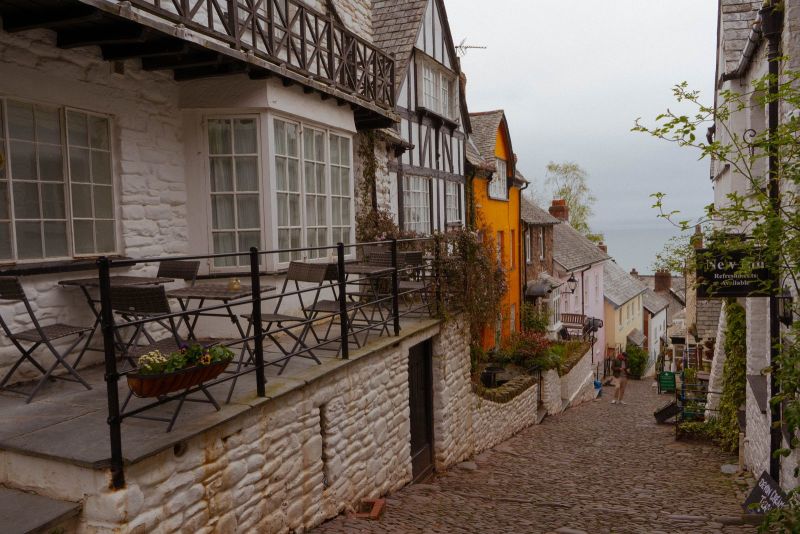
Autumn is about keeping the surface clear. Fallen leaves left to rot on tarmac hold moisture and feed moss, and in a leafy town like Newton Abbot they pile up fast - sweep them off rather than letting them mat down. Make sure any channel drains or gullies are clear so the winter rain has somewhere to go instead of pooling on the drive.
Winter is mostly hands-off, but a couple of things help. Avoid rock salt where you can, as heavy salting can accelerate surface wear on tarmac; grit or a salt-sand mix is kinder. And on sloped drives, don't scrape ice off with a metal shovel that gouges the surface. Over a full year this whole routine costs very little in time or money, and it's the difference between a drive that looks tired at ten years and one that still looks smart at twenty.
When to Call a Professional in Newton Abbot
Plenty of tarmac upkeep is genuine DIY - washing, weeding, small crack fills and even self-sealing a modest drive. But some jobs are worth handing over. A full professional seal coat gives a more even, longer-lasting finish than most people manage with a roller, and it's not expensive. Anything involving spreading edges, repeated ponding, or cracking across a large area needs a trained eye to work out whether it's a surface issue or a base failure, because getting that diagnosis wrong wastes money.
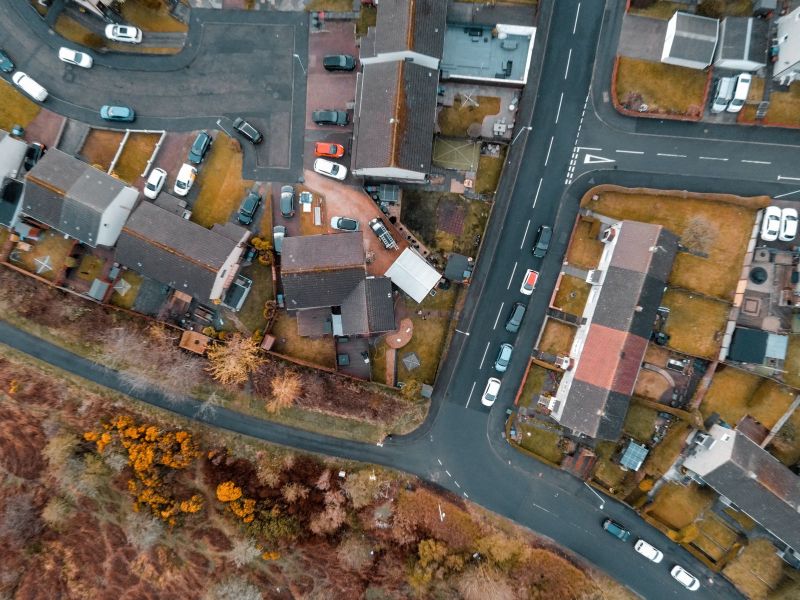
Devon has a healthy supply of driveway contractors, but availability tightens through the drier months when everyone wants work done in the same short weather windows - so if you're planning sealing or resurfacing for late spring or summer, it pays to book early. When comparing quotes, look for firms that will actually visit and assess the surface rather than pricing off a photo, and ask whether they're recommending a repair, a reseal, or a resurface, and why. For general reassurance on choosing a reputable trade, the consumer group Which? has practical advice on hiring and vetting a tradesperson. It's also worth checking whether a firm is registered with a government-endorsed scheme like TrustMark, the government-backed quality register for tradespeople.
If your driveway is due a refresh and you want an honest steer on cleaning, sealing or resurfacing, a local assessment is the best place to start.
---
FAQ
Q: How do I clean a tarmac driveway in Newton Abbot?
A: For routine cleaning, brush the surface and wash it with warm soapy water two or three times a year to keep moss and algae down. For heavier growth, use a dedicated patio or algae treatment (around £10-£15). A pressure washer works but keep it under about 1,500-2,000 PSI, use a fan tip, and hold it 30cm back so you don't strip the bitumen-rich top layer.
Q: How often should a tarmac driveway be sealed?
A: Every three to five years is the general guideline, and toward the shorter end if your drive is in a wet, shaded spot - common in Newton Abbot. Professional sealing on a 20-40m² drive costs roughly £150-£400, or £40-£80 in materials to do it yourself. Sealing restores the black colour, fills hairline cracks, and waterproofs the surface against Devon's heavy rainfall.
Q: Why does my tarmac driveway keep growing moss and algae?
A: Newton Abbot gets over 1,000mm of rain a year and many drives sit in shade for much of the day, so the surface stays damp - ideal conditions for moss and algae. Regular brushing, keeping fallen leaves cleared in autumn, and an occasional algae treatment keep it under control. A seal coat also helps by giving water less to cling to.
Q: Can I repair small cracks in a tarmac driveway myself?
A: Yes. Hairline cracks can be sealed with a bitumen crack filler (£10-£20), and small potholes with a cold-lay tarmac repair pack (£15-£25 a bag). Clean out all loose material first so the repair bonds properly. Larger areas of cracking or sinking usually point to base movement and need a professional assessment rather than patching.
---
You might also like
West County Driveways