How Long Does a Tarmac Driveway Last in Newton Abbot? Lifespan and What Affects It
Ask how long a tarmac driveway lasts and the honest answer is "it depends" - but the useful answer is 15-25 years, with well-installed, well-maintained drives often pushing past 25 and poorly laid ones failing inside 8-10. In Newton Abbot that spread is even wider than the national average, because the local conditions are demanding. The town sits in the wet Teign Valley catching over 1,000mm of rain a year, roughly a fifth more than the England average, and a good number of properties sit on clay-heavy subsoils or sloped, Dartmoor-edge plots that put extra stress on a driveway. Two identical-looking tarmac drives laid on the same street can be a decade apart in lifespan purely because of what's underneath and how they've been looked after. This guide breaks down what actually determines how long your tarmac drive will last, and the levers you can pull to get closer to that 25-year end of the range.
The Short Answer: How Long Tarmac Lasts in Newton Abbot
For a properly installed two-coat tarmac driveway on a sound base, 20-25 years of good service is a realistic expectation in Newton Abbot, and many last longer before they genuinely need replacing rather than just resurfacing. The industry rule of thumb of 15-25 years holds up locally, but where your drive lands in that range is decided almost entirely at installation and then nudged either way by maintenance.
It's worth separating "needs resurfacing" from "needs replacing". A tarmac surface might start looking tired - faded, slightly rough, a few cracks - at the 12-15 year mark, but that's usually a job for a new wearing course laid over the existing base, not a full dig-out. The base itself, if it was built correctly, can last 30 years or more and be reused. That distinction matters a lot for cost, and we go into the numbers in our 2026 guide to tarmac driveway costs in Newton Abbot.
If you want a straight assessment of how much life is left in your existing drive, a local installer can usually tell from the pattern of wear. West County Driveways covers Newton Abbot and the wider Teignbridge area and can advise whether you're looking at a reseal, a resurface, or a full replacement.
The Base: The Single Biggest Factor in Lifespan
If there's one thing that decides whether a Newton Abbot tarmac driveway lasts 10 years or 25, it's the sub-base. The tarmac you can see is only the top 40-70mm; underneath sits a compacted stone foundation, typically 150-200mm of MOT Type 1, that carries all the load and manages water. Skimp on that and the surface is living on borrowed time no matter how neat it looks on day one.
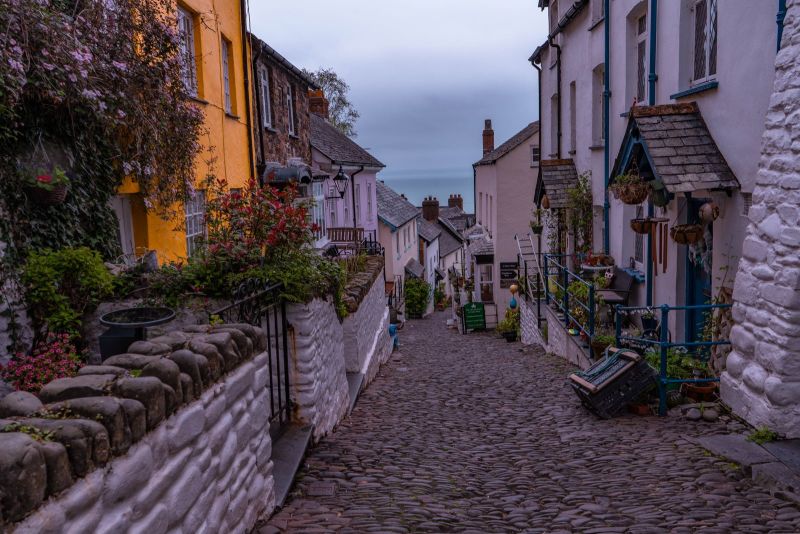
This matters more in Newton Abbot than in many places because of the ground. Parts of the town sit on clay-heavy soil that swells when wet and shrinks when it dries - and in a climate this damp, it goes through that cycle constantly. A shallow or poorly compacted base flexes with the clay beneath it, and tarmac has very little tolerance for movement. That's where the cracking, sinking and edge-spreading that kills a driveway early comes from. It almost always traces back to the foundation, not the tarmac itself.
The catch is that the base is invisible once the job's done, which is exactly why some quotes come in suspiciously cheap. An installer saving a day of digging and a few tonnes of stone can undercut a proper job by hundreds of pounds, and the homeowner won't know the difference for five or six years - right up until the surface starts to fail. Asking each quote what sub-base depth is included is the simplest way to protect a driveway's lifespan before it's even laid.
How Newton Abbot's Wet Climate Shortens or Extends Life
Water is tarmac's main enemy over the long run, and Newton Abbot supplies a lot of it. With annual rainfall comfortably over 1,000mm and a genuinely damp valley-floor micro-climate, local drives are wet for a large share of the year. Water that drains away does no harm; water that sits on the surface or soaks into cracks is what shortens lifespan, softening the bitumen bond and washing fines out of the base over time.
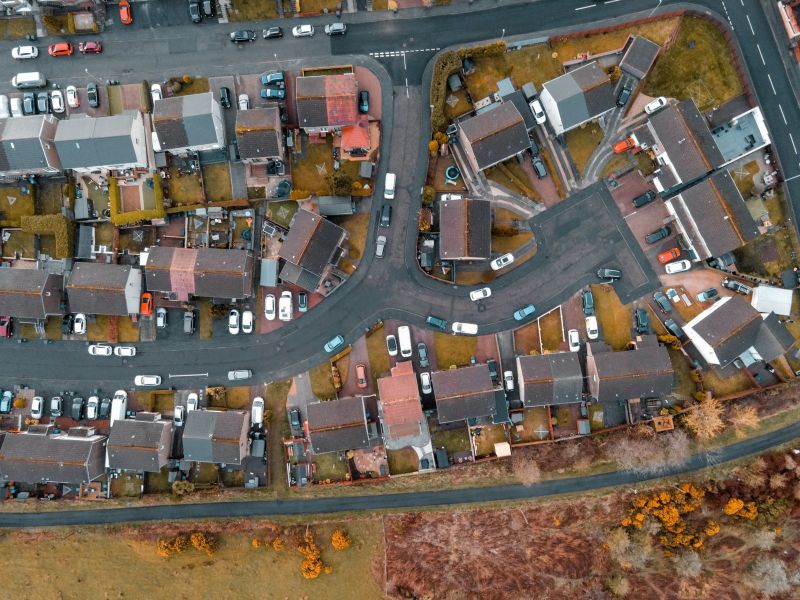
Drainage is therefore a lifespan issue, not just a compliance one. A tarmac drive that ponds after rain is losing years off its life every winter. This is also why so many front-garden installations here include a channel drain - since tarmac is impermeable, front drives over 5m² need to manage runoff to avoid needing planning permission anyway, and the government's own guidance on paving front gardens and the rules on permeable surfaces is a useful read before any work starts. Good drainage does double duty: it keeps you the right side of the rules and it protects the surface.
Winter frost adds a second mechanism. Newton Abbot doesn't get harsh, prolonged freezes like inland or northern areas, which actually works in tarmac's favour, but the freeze-thaw it does get is enough to prise open any water-filled crack. Water expands about 9% when it freezes, so a hairline crack that's let water in during a wet December can widen noticeably by spring. Keeping cracks sealed is the practical defence, and it's cheap.
Shade, Moss and the Slow Damage You Don't Notice
Beyond rain and frost, the thing that quietly ages Newton Abbot tarmac is shade. A large number of local drives - the older terraces near the town centre and the newer semis on estates toward Kingskerswell and Ogwell - sit in shadow for much of the day behind hedges, fences or the house itself. Shaded, damp tarmac never fully dries out, and that's a standing invitation for moss and algae.
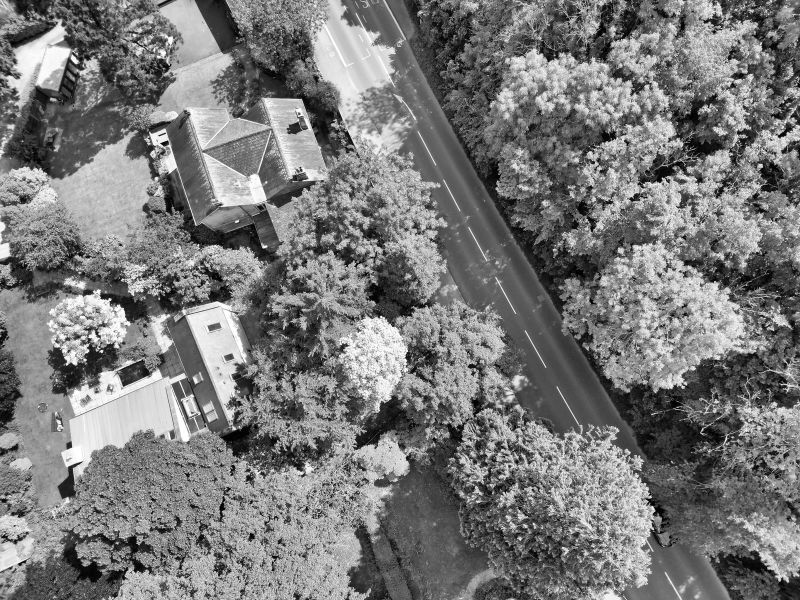
Moss doesn't destroy tarmac overnight, but it holds moisture against the surface year-round, and constant damp accelerates the breakdown of the bitumen binder that holds the stones together. Over a decade, a drive that's permanently green will lose surface integrity faster than an identical one that gets sun and dries out. It also gets slippery, which is a genuine safety point on the sloped drives common around the Dartmoor fringe of the town.
None of this is dramatic damage - it's slow, and that's why it's easy to ignore. But a couple of brush-downs a year and the odd algae treatment, plus keeping autumn leaves cleared so they don't rot into a moisture-trapping mat, genuinely add years to a shaded drive. It's the cheapest lifespan insurance there is.
What You Can Do to Make a Tarmac Driveway Last Longer
Once a driveway is laid, most of its lifespan is set by that base decision - but the maintenance you do on top still moves the needle by several years. The biggest single win is sealing. A tarmac seal coat every three to five years, at roughly £150-£400 professionally on a typical drive, restores the surface, fills hairline cracks before water gets in, and waterproofs the bitumen against Devon's rain. A drive that's resealed on schedule can comfortably outlast one that never is.
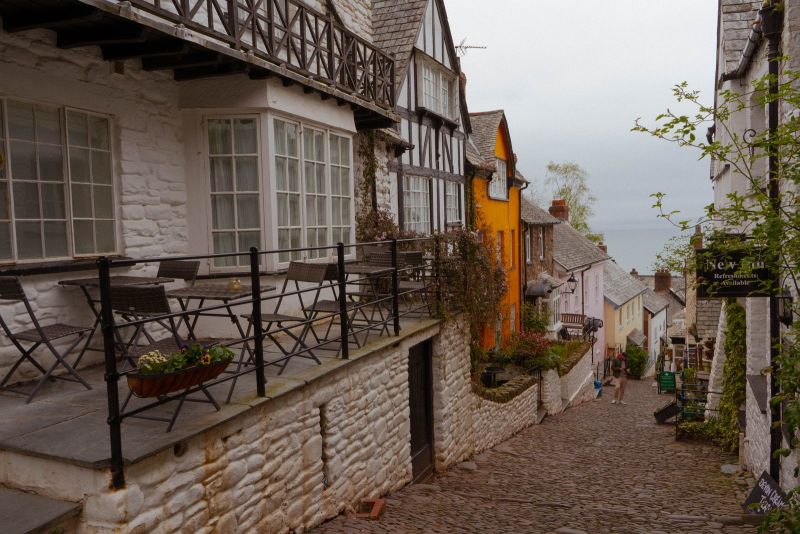
The rest is small, regular upkeep: sealing cracks as they appear with a £10-£20 filler before frost can widen them, keeping drainage clear so water never ponds, brushing off moss and leaves, and avoiding heavy rock salt in winter, which wears the surface. We've covered the full routine in more depth in our guide to tarmac driveway maintenance in Newton Abbot. Done consistently, this handful of habits is the difference between a drive that looks tired at 12 years and one that's still solid at 22.
Before that, though, the smartest lifespan investment is choosing the installer well. Since so much of tarmac's longevity is buried in work you can't inspect, using a reputable, accountable contractor matters - it's worth checking whether a firm is on a government-endorsed register such as TrustMark, the quality scheme for tradespeople. South Devon has a solid supply of driveway contractors, but the good ones get booked through the drier months, so plan ahead if you want summer laying weather.
When Repair Stops Making Sense and Replacement Is Better
Every tarmac driveway reaches a point where patching and resealing is throwing good money after bad. The general marker installers use is coverage: if more than about 25-30% of the surface is cracked, sunken or spreading, or if the damage is coming from base failure rather than surface wear, a full replacement usually works out cheaper over the following decade than repeated repairs.
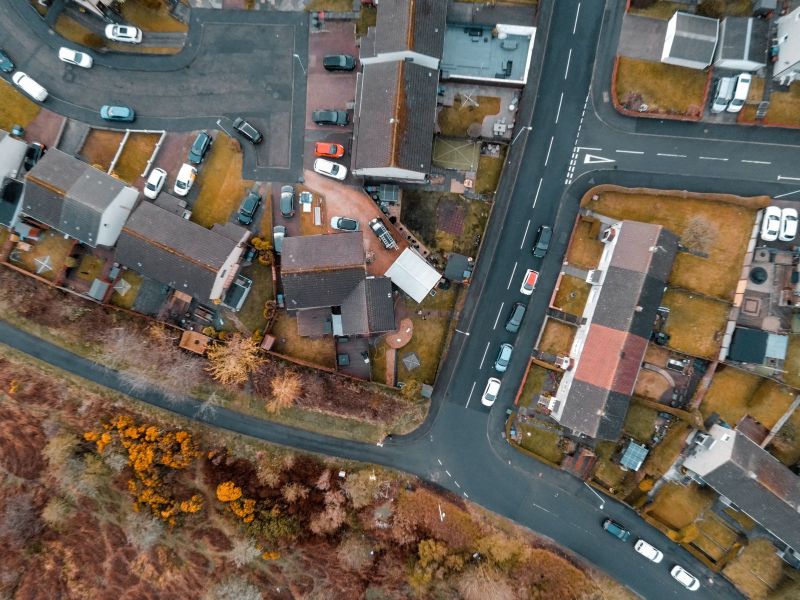
The tell-tale signs of base failure - as opposed to normal surface ageing - are worth knowing. Widespread cracking in a crazed, interconnected pattern, areas that visibly sink or hold water, and edges that crumble and spread outward all point downward to the foundation rather than the surface. Surface-only ageing, by contrast, looks like even fading, minor isolated cracks and a slightly rough texture, and that's happily fixable with a fresh wearing course over the existing base at a fraction of full-replacement cost.
For most Newton Abbot homeowners, the realistic timeline is a reseal or two through the early years, a resurface somewhere around 15-20 years if the base was built well, and a full replacement only when the foundation finally gives out - which on a properly laid drive can be 25-30 years down the line. Getting an honest assessment at each of those stages, rather than defaulting to a full dig-out, is where the money is saved.
---
FAQ
Q: How long does a tarmac driveway last in Newton Abbot?
A: A well-installed two-coat tarmac driveway on a sound base typically lasts 15-25 years in Newton Abbot, with many reaching 25 or more before needing full replacement. The base quality is the biggest factor - drives on shallow or poorly compacted foundations can fail in as little as 8-10 years, especially on the clay-heavy, wet ground common in parts of the town.
Q: What shortens the life of a tarmac driveway in Newton Abbot?
A: The main culprits are a poor sub-base, bad drainage that lets water pond, and the town's wet climate - over 1,000mm of rain a year keeps surfaces damp. Clay subsoils that swell and shrink, freeze-thaw widening unsealed cracks, and moss build-up on shaded drives all accelerate wear. Most early failures trace back to the foundation rather than the tarmac itself.
Q: Can you make a tarmac driveway last longer?
A: Yes. Sealing every three to five years (£150-£400), filling cracks early before frost widens them, keeping drainage clear so water never ponds, and brushing off moss and leaves all add years to a drive's life. The single biggest factor, though, is set at installation - a properly built 150-200mm sub-base is what allows the surface to reach the top of the 15-25 year range.
Q: When should a tarmac driveway be replaced rather than repaired?
A: When more than about 25-30% of the surface is cracked, sunken or spreading, or when the damage comes from base failure rather than surface wear, replacement usually beats repeated repairs. Signs of base failure include crazed interconnected cracking, areas that sink or hold water, and crumbling edges. Even fading and minor isolated cracks, by contrast, can just be resurfaced over the existing base.
---
You might also like
West County Driveways