What to Expect During a Resin Driveway Installation in Newton Abbot
Why
Resin Driveways Are Popular in Newton Abbot
Resin driveways are becoming an increasingly popular option for homeowners in Newton Abbot thanks to their modern appearance, durability, and low-maintenance finish. Properties across Devon are often exposed to wet weather conditions throughout the year, so choosing a driveway surface that handles drainage effectively is important. Areas in the South West regularly receive between 900mm and 1,000mm of rainfall annually, making permeable surfacing a practical choice for many homes.
One of the biggest advantages of a resin bound driveway is that water can drain naturally through the surface rather than collecting in puddles. This makes it particularly suitable for properties in Newton Abbot where heavy rain and damp conditions are common. When professionally installed and maintained correctly, resin driveways can often last between 15 and 25 years, offering long-term value as well as kerb appeal.
What Is a Resin Driveway?
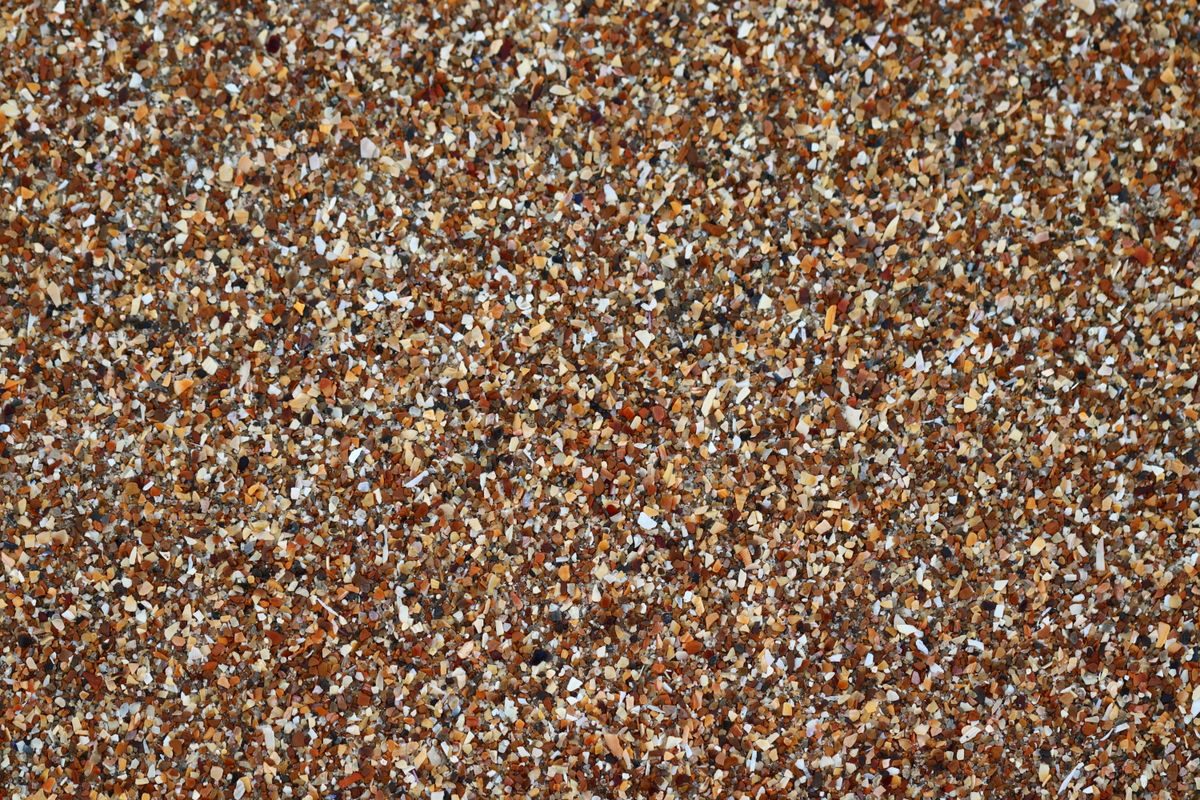
A resin driveway is created by mixing decorative aggregate stones with a specialist resin to form a smooth and seamless surface. Resin surfacing is commonly used for driveways, pathways, and patios because it combines durability with a clean and contemporary appearance.
There are two main types of resin systems. Resin bound surfacing mixes the stones and resin together before application, resulting in a permeable finish that allows water to drain away.
Resin bonded systems involve applying resin first and then scattering loose aggregate on top, producing a rougher surface that is generally less permeable.
What is Involved in the Process
Step 1 – Initial Survey and Planning
The installation process begins with a site inspection to assess the condition of the existing driveway or surface area. Installers will check whether the current base is suitable and identify any drainage concerns that need to be addressed before work begins.
At this stage, homeowners can also choose the colour and style of aggregate, edging options, and any decorative details. Selecting a design that complements the property can improve the overall appearance and increase kerb appeal.
Step 2 – Ground Preparation
Preparing the ground properly is essential for achieving a durable finish. In some cases, the old driveway may need to be removed completely if it is damaged or unstable. The area is then levelled and cleared before the new foundation is installed.
A solid sub-base is important for preventing movement or cracking in the future. Installers will usually lay compacted hardcore followed by a layer of sand to create a stable and even surface. Proper groundwork is particularly important in areas like Newton Abbot where wet conditions can affect ground stability over time.
Step 3 – Preparing the Base
A resin driveway requires a strong base, usually made from concrete or asphalt. If the existing base is still structurally sound, it may sometimes be repaired and reused. Ensuring the base is stable is one of the most important factors in creating a long-lasting driveway.
Step 4 – Mixing the Resin and Aggregate
The resin and decorative stones are normally mixed on site to ensure a consistent blend throughout the project. Achieving the correct balance between resin and aggregate is important for both strength and appearance.
Step 5 – Applying the Resin Surface
Once mixed, the resin material is spread evenly across the prepared base and carefully levelled to create a smooth finish. Borders and edges are shaped neatly to give the driveway a clean and professional appearance. Correct thickness is also important for long-term durability.
Step 6 – Curing and Finishing
After installation, the resin surface must be left to cure fully before use. During this time, foot traffic and vehicles should be kept off the driveway. In most cases, the surface can be walked on after around 24 hours, while vehicle access is usually possible after approximately 24–48 hours, depending on weather conditions.
Many resin driveway installations can be completed within 1–3 days, although larger or more detailed projects may take longer.
Factors That Can Affect Installation
Weather conditions can have a significant impact on installation times in Newton Abbot. Heavy rainfall or low temperatures may delay curing, while dry weather generally provides the best conditions for resin application.
The size of the driveway, the complexity of the design, and the condition of the existing ground can also affect the timeline. Additional drainage work or groundwork preparation may sometimes be required before installation can begin.
Conclusion
Resin driveways are a practical and visually appealing solution for homes in Newton Abbot, particularly in areas affected by regular rain and damp conditions. Their permeable surface, modern finish, and potential lifespan of up to 25 years make them a popular long-term investment for homeowners.
Although resin driveways are often quicker to install than traditional paving methods, proper preparation and curing are still essential for achieving the best results. By choosing experienced installers and understanding each stage of the process, homeowners can enjoy a durable and low-maintenance driveway that enhances both the appearance and functionality of their property for years to come.
You might also like
West County Driveways