Getting a New Driveway in a South Devon Village: Narrow Lanes, Lorry Access and Why Rural Quotes Come In Higher
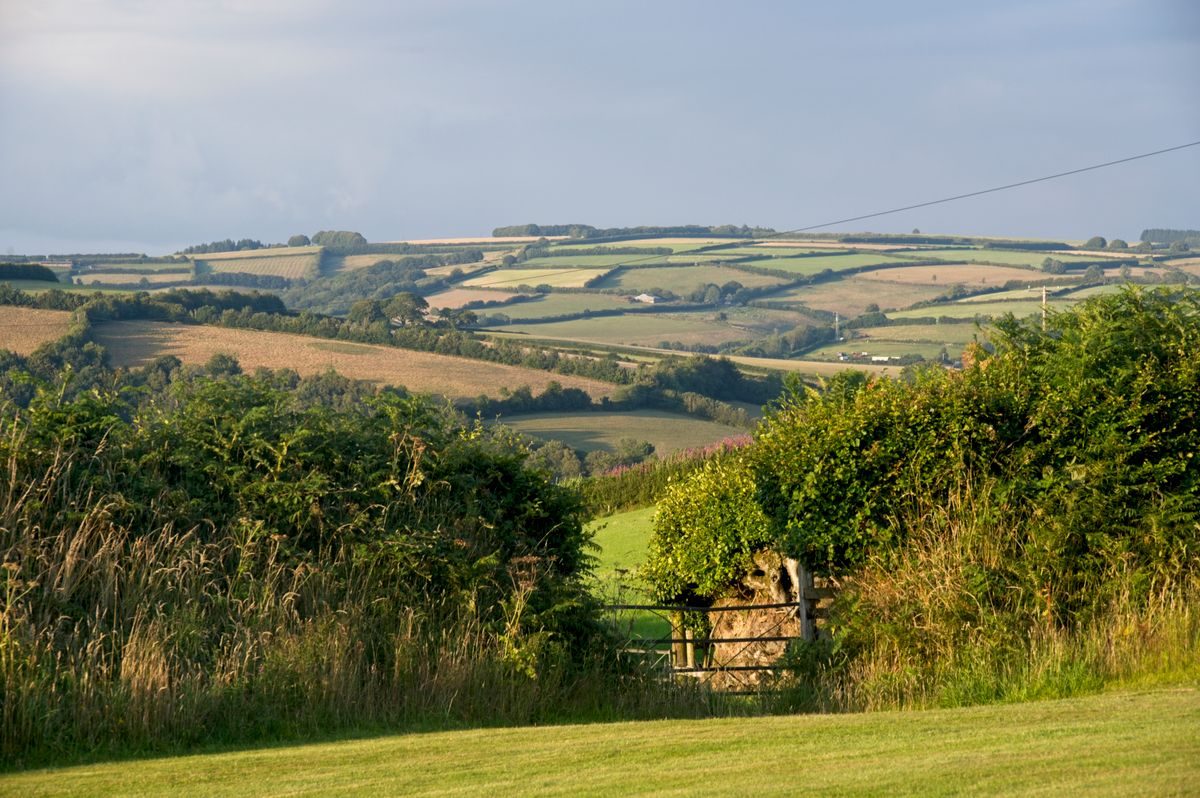
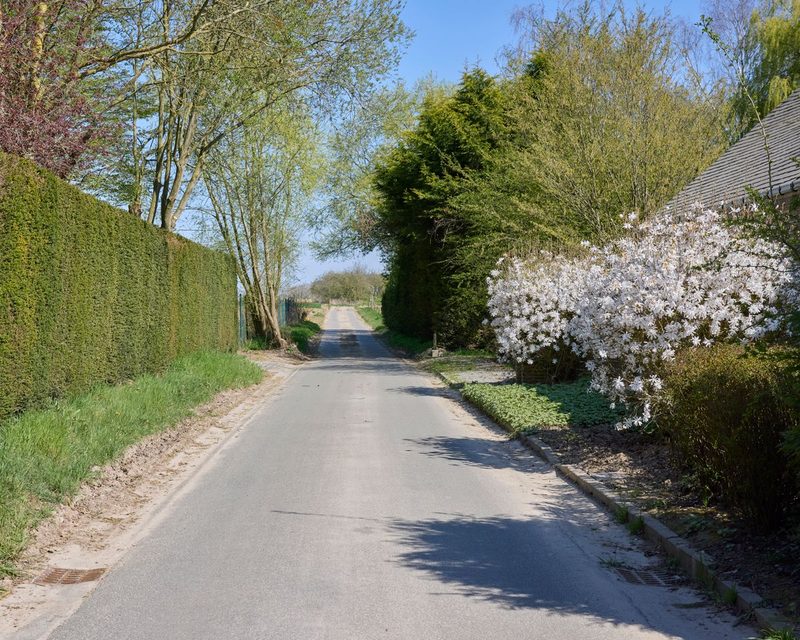
If you live in Ashburton, Denbury, Broadhempston, Ogwell, Stoke Gabriel or any of the dozens of villages and hamlets between Newton Abbot and the South Hams, you may already have noticed something about driveway quotes: yours came in higher than a friend's in Kingsteignton for what sounds like the same job. It is not a rural surcharge and it is not opportunism. A driveway is one of the most materials-heavy jobs done at a domestic property - a modest 40 square metre driveway involves excavating and removing 15 to 18 tonnes of spoil and bringing in 12 to 15 tonnes of stone, plus the surfacing material on top. That is five or six lorry movements minimum. When those lorries have to negotiate a 2.5m-wide lane with 3m Devon hedgebanks on both sides, a 90-degree turn at a farm gate and a bridge with a weight restriction, the cost of the job changes - and so, sometimes, does the method. Here's exactly where the money goes and what you can do about it.
Where the Extra Cost Actually Sits
It is worth being specific, because "access" is used as a catch-all and the components are quite different.
Smaller vehicles, more journeys. A standard 8-wheel tipper carries 16 to 18 tonnes. A 4-wheel tipper carries 7 to 8 tonnes, and a tractor and trailer less again. If the lane will not take an 8-wheeler, the same 15 tonnes of stone takes two or three deliveries instead of one. Each additional delivery is £90 to £200 depending on distance from the quarry.
Longer haulage distances. South Devon's aggregate comes largely from quarries around the Newton Abbot and Buckfastleigh area, and limestone and granite are both available locally, which helps. But a delivery to a village 12 miles out along single-track lanes takes the driver considerably longer than one to a town estate five minutes from the A380, and haulage is charged on time as much as distance.
Double handling. This is the big one. Where a lorry genuinely cannot reach the property, material is tipped at the nearest accessible point - a lay-by, a farm entrance, a village hall car park with permission - and then moved to site by dumper or by hand. Moving 15 tonnes 80 metres with a tracked dumper takes two people most of a day. Expect £350 to £800 per material movement, and there are usually two: stone in, spoil out.
Spoil removal. Often the worst of it, because spoil is heavier than it looks and has to leave. Grab lorries need more room than tippers, and where a grab cannot get in, spoil comes out by dumper to a waiting vehicle. On a constrained site, spoil removal alone can run £400 to £900 against £250 to £400 in a town.
Plant size. A 1.5-tonne micro digger fits through a 1m gap but moves perhaps 40% of what a 3-tonne machine does in a day. Constrained sites take more days for the same volume.
Protection and making good. Boards, plates and matting to protect verges and soft ground, and putting right the inevitable ruts on a shared lane. £150 to £500.
Realistically, a 40 square metre tarmac driveway that costs £2,800 to £3,600 on an easily accessed Newton Abbot or Kingsteignton plot lands at £3,800 to £5,200 on a genuinely constrained village site. The work is the same. Getting to it is not. Because so much of this is site-specific rather than postcode-specific, a site visit before quoting is the only way to get a number that holds, and a quote given over the phone for a rural property is a quote that will change.
The Devon Constraints That Matter Most
Some of these are particular to this county, and they are not minor.
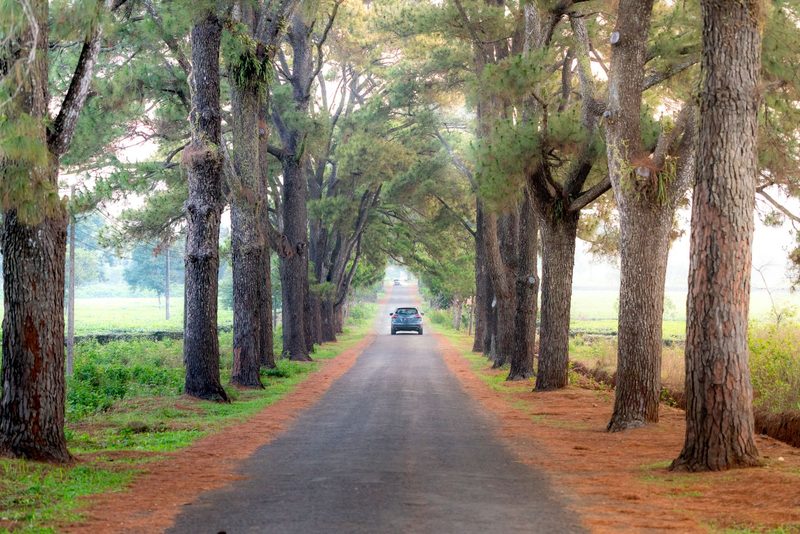
Devon hedgebanks. These are not hedges - they are earth banks, often faced with stone, frequently centuries old, and many are protected. They are also unforgiving: a hedgebank does not give way when a lorry brushes it, and damaging one can be a legal problem as well as a practical one. Many qualify as important hedgerows, and removing or damaging one can require notice to the local authority under the hedgerow rules - the government's guidance on countryside hedgerow regulation and management sets out where those protections apply and the seasonal restrictions on cutting.
Effective lane width. The mapped width and the usable width are different numbers. Overgrown hedgebanks in late summer can reduce a 3m lane to 2.4m of passable width, which is below what many 8-wheelers need with mirrors. A lane that worked in March may not work in August.
Passing places and reversing distances. A lorry that cannot turn has to reverse, and reversing 400m down a single-track lane is slow, risky and something some hauliers will simply decline.
Weight and width restrictions. Bridges, fords and weak structures are common on the Dart and Teign tributaries and across the South Hams. A 7.5-tonne limit means the whole job is delivered in 7.5-tonne vehicles.
Gradient. South Devon is not flat. A loaded lorry on a steep wet lane with a poor surface is a genuine problem, and gradient plus rain is a common reason a delivery gets postponed rather than attempted.
Overhead cables and tree canopy. Tipping a lorry body needs 5m to 6m of vertical clearance. Under a mature beech canopy or low cables, it cannot tip at all.
When the Surface Choice Changes Too
Access does not only affect price, it sometimes affects what is sensible to lay. Tarmac has to arrive hot and be laid within a working window, so a long, slow delivery to a remote site is a real constraint. Resin needs dry conditions and a mixing area near the working face. Block paving and gravel are the most tolerant of difficult access because the material can be moved in stages without a time limit.
We've set out how the main surfaces compare on cost, upkeep and suitability for different sites in our guide to driveway costs in Totnes and the South Hams for 2026, which covers the same villages and is the natural companion to this one.
Devon's Weather, and Why the Working Window Is Narrower Here
This genuinely affects rural jobs more than town ones, because a soft lane is a bigger problem than a soft front garden.

South Devon receives roughly 1,000mm to 1,200mm of rainfall a year in the lower-lying areas around Newton Abbot, Paignton and the Teign estuary, rising well above 1,500mm and in places past 2,000mm on the Dartmoor fringe above Ashburton and Buckfastleigh. That falls across 150 to 180 wet days. For comparison, the England average is around 800mm, and you can pull the long-term record for the nearest station from the Met Office's UK climate averages.
What that means practically:
- Tarmac needs a dry, unfrozen base and ideally dry weather during laying. Achievable year-round in South Devon's mild winters - hard frosts are rare and the coastal strip very seldom freezes - but genuinely interrupted by rain from October to March.
- Resin bound is the most weather-sensitive. It needs a dry substrate and no rain for several hours after laying, and it should not be laid below around 5°C. In practice that means April to October for reliable scheduling, with a real risk of postponement outside it.
- Block paving and gravel can be laid in almost any conditions, which is why they are often the pragmatic answer for a winter start on a rural site.
- Lane condition is the hidden factor. A soft verge in February will rut under a loaded lorry, and repairing a neighbour's damaged verge is a cost and a conversation nobody wants.
The upside of Devon's mildness is real: the season is longer here than almost anywhere else in England, and a well-drained tarmac driveway can usually be laid in January in a dry week. The constraint is rainfall frequency rather than temperature, which means rural scheduling is about waiting for windows.
There is also a labour point worth knowing. Devon's construction workforce is stretched, and the county has a well-documented skills shortage in groundworks and surfacing, made worse by high housing costs relative to wages and by competition from large housing schemes elsewhere in the region. Add the summer tourism peak, when local trades are also doing holiday-let work to tight changeover deadlines, and genuine specialists in the Newton Abbot and South Hams area are commonly booked four to eight weeks ahead between April and September. Booking a rural job for late winter or early spring is often the way to get both a better price and a firmer date.
What You Can Do Before Quoting to Reduce the Cost
Most of this is free, and it can genuinely move the number.
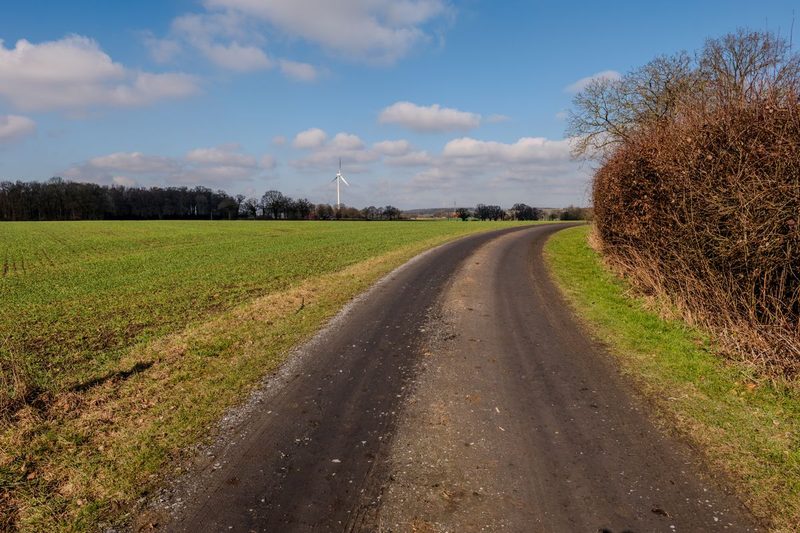
- Cut back the hedgebank and any overhanging branches along your own frontage and, with permission, the approach. Recovering 300mm of lane width can be the difference between an 8-wheeler and two 4-wheelers. This is the single highest-value thing you can do.
- Measure the tightest point on the approach and tell the contractor the number. Width at the pinch, plus any height restriction. It lets them price accurately instead of defensively.
- Identify a tipping point. A field gateway, a wide verge, a neighbour's yard. If you can get permission in advance for a spot 30m away rather than 200m, you have saved a day of dumper work.
- Talk to neighbours early. On a shared lane, a driveway job means several days of vehicle movements. Neighbours who know in advance are helpful; neighbours who find out when a lorry blocks them in are not.
- Ask about combining deliveries with another local job. Contractors working in the same village in the same week can share haulage, and it is worth asking whether anything is scheduled nearby.
- Consider retaining spoil on site. If you have space for a bank, a raised bed or levelling elsewhere in the garden, keeping some of the spoil removes lorry movements entirely. This is frequently the biggest single saving available on a rural job - potentially £400 to £900.
- Book out of season. Late January to March is quieter, cheaper, and in South Devon's mild winters perfectly workable for tarmac and block paving.
- Check the planning position yourself. Front garden paving over five square metres in a non-permeable material needs permission unless drainage is dealt with on site, as the Planning Portal's guidance on paving front gardens explains. In a conservation area or on a listed property - and the South Hams has a great many of both - there may be further constraints on materials and appearance, so check with the local planning authority before settling on a surface.
One last point on quoting. A contractor who visits, measures the lane, asks where the spoil can go and then gives you a written figure with the access assumptions stated is giving you a price you can hold them to. A contractor who quotes from a satellite image is giving you a number that will grow. On a rural South Devon site, the written access assumptions are the most important paragraph in the quote.
Frequently Asked Questions
Why is a driveway more expensive in a Devon village than in Newton Abbot?
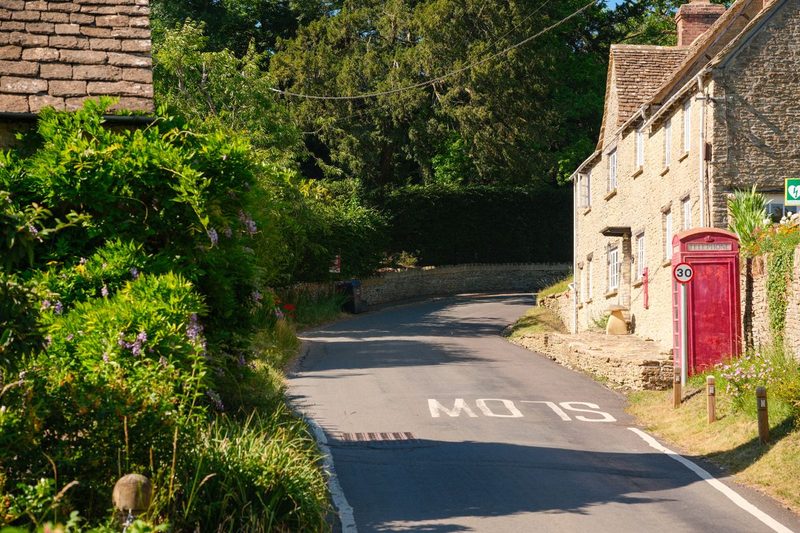
Because a 40 square metre driveway involves removing 15 to 18 tonnes of spoil and importing 12 to 15 tonnes of stone. Narrow lanes mean smaller vehicles and more journeys, longer haulage times, and often double handling where material has to be tipped away from the site and moved by dumper. A £2,800 to £3,600 town job can reasonably be £3,800 to £5,200 on a constrained rural site.
Can a driveway be built if lorries cannot reach my house?
Yes, almost always. Material is tipped at the nearest accessible point and moved to site by tracked dumper, and smaller plant is used on site. It costs more - typically £350 to £800 per material movement, and there are usually two - but access is very rarely a complete barrier. Block paving and gravel cope with difficult access better than tarmac or resin.
What can I do to bring a rural driveway quote down?
Cut back hedgebanks and overhanging branches to recover lane width, identify a nearby tipping point and get permission for it in advance, ask whether spoil can be retained on site for landscaping, tell the contractor the exact width at the tightest pinch point, and book outside the April to September peak.
Can a driveway be laid in winter in South Devon?
Tarmac, block paving and gravel generally yes. Devon's winters are mild and hard frosts are rare, especially on the coastal strip, so the limiting factor is rainfall rather than temperature. Resin bound is the exception - it needs a dry substrate, several dry hours after laying and temperatures above around 5°C, so April to October is realistic for reliable scheduling.
Do I need planning permission for a driveway in a South Devon village?
Paving more than five square metres of front garden in a non-permeable material needs permission unless surface water is directed to a permeable area or soakaway within your boundary. Conservation area status and listed buildings, both common in the South Hams, can add further constraints on materials and appearance, so check with the local planning authority before choosing a surface.
```json { "@context": "https://schema.org", "@type": "FAQPage", "mainEntity": [ { "@type": "Question", "name": "Why is a driveway more expensive in a Devon village than in Newton Abbot?", "acceptedAnswer": { "@type": "Answer", "text": "Because a 40 square metre driveway involves removing 15 to 18 tonnes of spoil and importing 12 to 15 tonnes of stone. Narrow lanes mean smaller vehicles and more journeys, longer haulage times, and often double handling where material has to be tipped away from the site and moved by dumper. A 2,800 to 3,600 pound town job can reasonably be 3,800 to 5,200 pounds on a constrained rural site." } }, { "@type": "Question", "name": "Can a driveway be built if lorries cannot reach my house?", "acceptedAnswer": { "@type": "Answer", "text": "Yes, almost always. Material is tipped at the nearest accessible point and moved to site by tracked dumper, and smaller plant is used on site. It costs more, typically 350 to 800 pounds per material movement with usually two movements needed, but access is very rarely a complete barrier. Block paving and gravel cope with difficult access better than tarmac or resin." } }, { "@type": "Question", "name": "What can I do to bring a rural driveway quote down?", "acceptedAnswer": { "@type": "Answer", "text": "Cut back hedgebanks and overhanging branches to recover lane width, identify a nearby tipping point and get permission for it in advance, ask whether spoil can be retained on site for landscaping, tell the contractor the exact width at the tightest pinch point, and book outside the April to September peak." } }, { "@type": "Question", "name": "Can a driveway be laid in winter in South Devon?", "acceptedAnswer": { "@type": "Answer", "text": "Tarmac, block paving and gravel generally yes. Devon's winters are mild and hard frosts are rare, especially on the coastal strip, so the limiting factor is rainfall rather than temperature. Resin bound is the exception, needing a dry substrate, several dry hours after laying and temperatures above around 5C, so April to October is realistic for reliable scheduling." } }, { "@type": "Question", "name": "Do I need planning permission for a driveway in a South Devon village?", "acceptedAnswer": { "@type": "Answer", "text": "Paving more than five square metres of front garden in a non-permeable material needs permission unless surface water is directed to a permeable area or soakaway within your boundary. Conservation area status and listed buildings, both common in the South Hams, can add further constraints on materials and appearance, so check with the local planning authority before choosing a surface." } } ] } ```
```json { "@context": "https://schema.org", "@type": "Article", "headline": "Getting a New Driveway in a South Devon Village: Narrow Lanes, Lorry Access and Why Rural Quotes Come In Higher", "description": "Two identical driveways can differ by £1,500 purely because of the lane leading to them. Here's how access affects what a South Devon driveway costs, which constraints add most, and what you can do before quoting to bring the price down.", "author": { "@type": "Organization", "name": "The Team" }, "datePublished": "2026-09-22", "dateModified": "2026-09-22", "articleSection": "Driveways" } ```
You might also like
West County Driveways