Driveway Sub-Base and Groundwork in Newton Abbot: What Goes Under Your Drive
The part of a driveway in Newton Abbot that decides how long it lasts is the part you never see again once the job is finished. The sub-base and groundwork sit 150 to 300mm below the surface, and installers reckon around 7 or 8 in every 10 driveway failures they're called out to - sinking, rutting, cracking, blocks that rock underfoot - trace back to what went in underneath rather than the surface on top. South Devon makes this harder than most places. Newton Abbot gets roughly 900 to 1,000mm of rain a year, Ashburton on the Dartmoor edge gets 1,400mm or more, and a lot of the ground between Kingsteignton and the Bovey Basin is clay that softens badly when wet. Get the sub-base right and a tarmac drive can last 20 years or more and block paving 25 to 30. Get it wrong and you can see dips within two winters. This guide explains what a proper sub-base involves, how local ground changes it and how to tell whether a quote is cutting corners.
Why Driveway Sub-Base and Groundwork Fail First in Newton Abbot
A driveway is a layered system. The surface - tarmac, resin, block paving or gravel - is a thin wearing layer. Its job is to look good and shed or pass water. The load from a car, which puts roughly 300 to 500kg on each tyre, is spread down through a compacted sub-base until it's thin enough for the natural ground to carry. If that sub-base is too shallow, poorly compacted or sitting on soft clay, the ground gives a little under every wheel. After a few thousand journeys it shows as ruts in tarmac and dips in block paving.
Water makes everything worse. Wet clay can lose more than half its strength compared with the same clay in a dry summer, and South Devon's wet season is long, with most of the rain falling from October to March. A sub-base that copes in August may be sitting on porridge in January. So the dig, the stone and the compaction cost more than most people expect. It's also where a cheap quote usually finds its savings. If you'd like someone to look at your ground before you commit to a surface, the team at West County Driveways can check the site and talk you through what it needs.
The surface gets the blame anyway. A crack in tarmac or a sunken block looks like a surface problem, but resurfacing over a failed base just means the same crack comes back in a year or two, so on many repair jobs the honest answer is to dig out and start again.
How Deep Should a Driveway Be Dug in South Devon?
Excavation depth depends on the surface and on the ground. For a domestic drive taking cars on reasonably firm ground, these are typical totals:
- Tarmac: 150mm sub-base plus 50 to 60mm binder course and 20 to 25mm surface course, so a dig of about 220 to 240mm
- Block paving: 150mm sub-base, 30 to 50mm sharp sand laying course and 50 to 60mm blocks, so a dig of about 230 to 260mm
- Resin bound: 150mm sub-base plus a 60 to 80mm tarmac or porous asphalt base and 15 to 18mm resin, so a dig of about 225 to 250mm
- Gravel with a grid: 150mm sub-base plus 40 to 50mm grid and gravel, so a dig of about 190 to 200mm
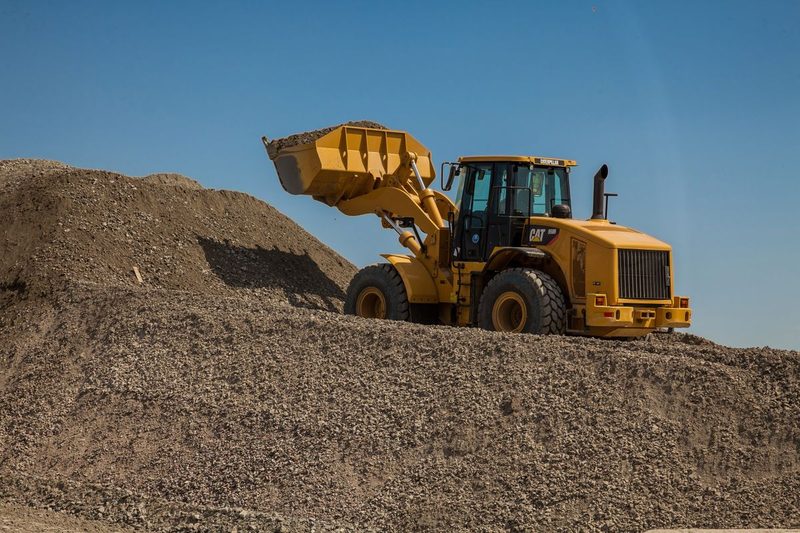
On soft clay, the sub-base often goes to 200 or 250mm, and a very poor patch may need a capping layer underneath it. Anything that will take a van, a motorhome or a delivery lorry also needs more depth.
Digging out produces a surprising amount of spoil. A 50m2 drive dug to 250mm is 12.5 cubic metres of solid ground, which bulks up by roughly 25 to 30% once it's loosened. That's around 16 cubic metres to remove, usually two grab-lorry loads or four to five 8-yard skips. Waste removal alone can run to £500 to £900 on a typical Newton Abbot job.
MOT Type 1 vs Type 3: Choosing the Right Sub-Base Stone
Depth is only half of it. The stone counts too, and two grades dominate domestic driveways, both named after old Department of Transport specifications.
MOT Type 1
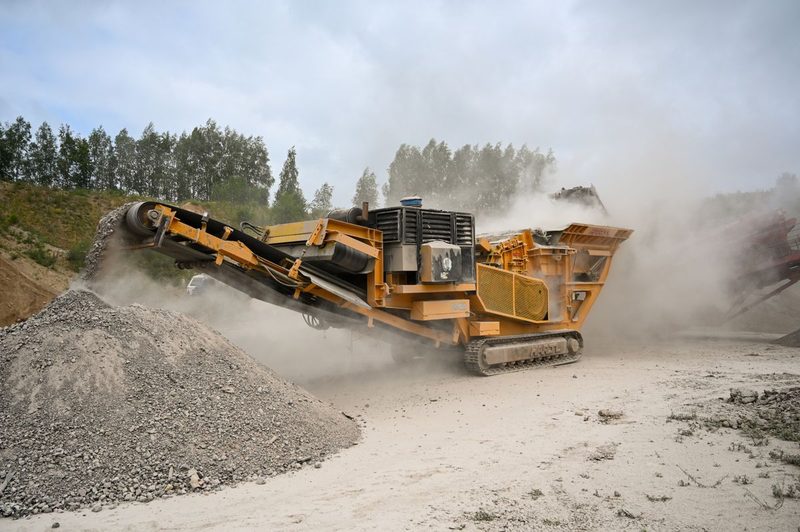
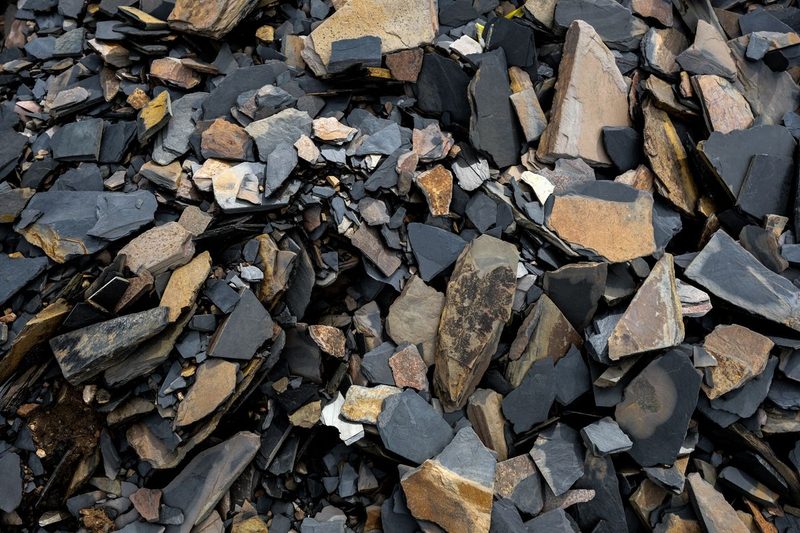
Type 1 is crushed rock or concrete graded from about 40mm down to dust. The fine particles fill the gaps between the larger stones, so it compacts into a very tight, strong layer. That strength is why it's the default under standard tarmac and block paving. The downside is that it doesn't drain well. Water sits on top of it or runs across it rather than soaking through.
MOT Type 3 for permeable driveways
Type 3 has most of the fines taken out, leaving open voids between the stones. Water passes straight through and is stored in the layer, typically with around 30% void space. It's the base for permeable block paving, porous asphalt and resin bound on a permeable base. It's a little less stiff than Type 1, so it usually goes in deeper to carry the same load, and it costs slightly more per tonne. We covered how this fits the front-garden drainage rules in our guide to permeable driveways and SuDS rules in Newton Abbot, which is worth reading if you're paving more than 5m2 at the front.
Recycled Type 1, made from crushed concrete and brick, is fine as long as it comes from a quarry or recycler that grades and tests it. Unsorted demolition rubble with timber, plaster and plastic mixed in is not a sub-base, whatever a quote calls it.
Newton Abbot Clay, South Hams Shillet and Dartmoor-Edge Wet Ground
Ground around here can change from one street to the next, and each type needs something different from the groundwork. The British Geological Survey geology viewer lets you look up what's mapped under your own postcode.
Teign valley and Bovey Basin clays
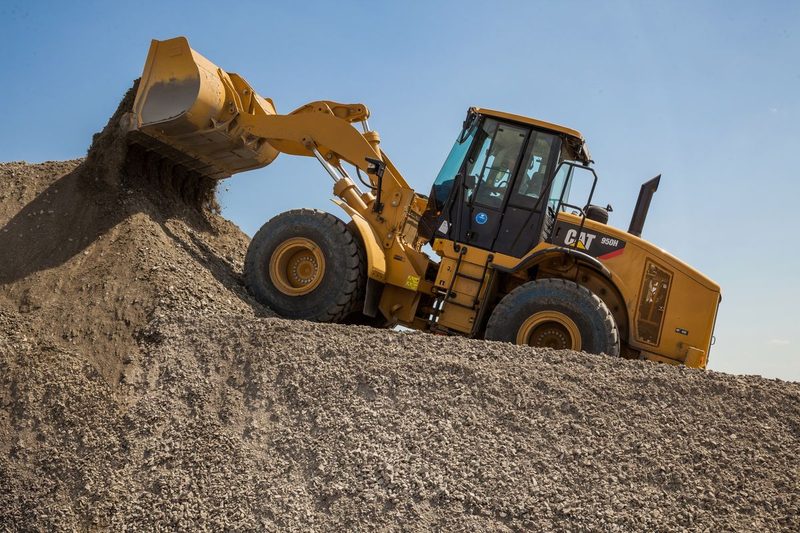
Kingsteignton and much of the lower ground around Newton Abbot sit on or near the Bovey Basin, where ball clay has been dug commercially for centuries. Clay holds water, swells when wet, shrinks in a dry summer and gets very soft once it's saturated. On these sites a good installer will dig deeper, lay a geotextile membrane on the formation to stop the clay pumping up into the stone, and often add 50 to 100mm extra sub-base. Drainage matters more here than anywhere, because a sub-base that fills with water and can't empty is weak all winter.
Shillet and slate around Totnes and the South Hams
Around Totnes, Dartmouth and much of the South Hams, the ground is often Devonian slate and shale, known locally as shillet once it's broken down. Firm shillet can make a good formation. The problems are steep plots and inconsistency: one end of a drive may be on solid rock while the other is on soft made-up ground or old fill. On a slope, the sub-base also has to resist creeping downhill, so edge restraints and a firm kerb at the bottom become much more important.
Wet winters in Ashburton and the moor-edge towns
Ashburton, Buckfastleigh and Bovey Tracey get noticeably more rain than Newton Abbot - often 40 to 50% more. Groundwater sits higher for longer, and springs and seepage lines show up in gardens after a wet week. Here the drainage design around the sub-base - falls, channel drains, a soakaway or a land drain along the high side - can decide whether the drive survives its first winter. The Met Office UK climate averages show how sharply rainfall climbs as you move from the coast up towards Dartmoor.
Membranes, Compaction and Edge Restraints: The Parts That Get Skipped
Geotextile membranes
A geotextile is a tough fabric laid on the dug-out ground before any stone goes in. It keeps clay and silt from working up into the sub-base, and stops the stone pushing down into soft ground. A roll costs very little - often under £1 per m2 for a decent grade - so leaving it out on clay saves almost nothing and costs years of life. It's not the same as a cheap black weed membrane, which won't take the load.
Compaction in layers
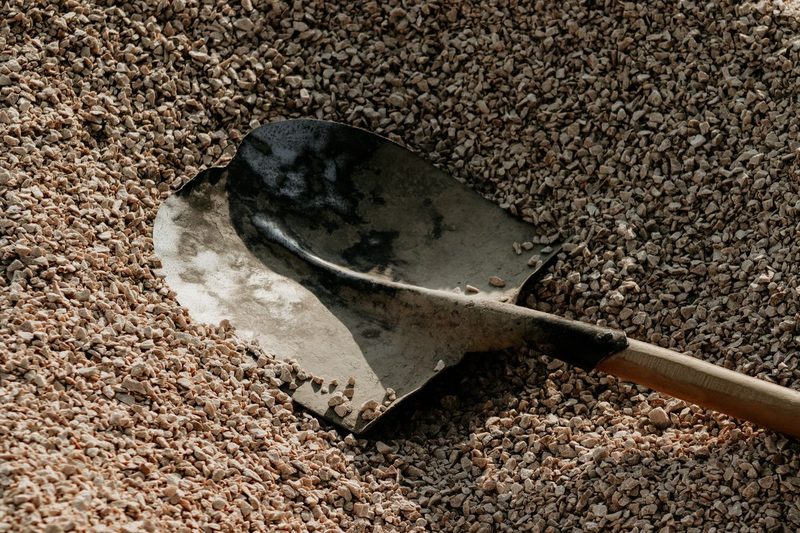
Sub-base stone should go down in layers of no more than about 75 to 100mm, each compacted with a heavy vibrating plate or a roller before the next goes on. Tipping 150mm in one go and running a plate over the top compacts the surface and leaves the bottom loose. A loose layer settles under traffic, and that's where most dips in tarmac come from. On a 50m2 drive, proper layered compaction takes a crew several hours, which is one reason a two-day job quoted as one day should worry you.
Edge restraints
Block paving, resin and tarmac all need a solid edge to stop the sub-base and surface spreading sideways. That usually means kerbs or edging blocks bedded on concrete with a concrete haunch behind them, around 100mm thick. Without it, the edges of a drive break up first, and block paving starts to open at the joints within a few years. It's one of the first things to fail on a steep Totnes or Dartmouth plot.
What Proper Groundwork Adds to a Driveway Quote in 2026
Groundwork usually makes up 30 to 45% of a full new-driveway price. These guide figures are for a straightforward 40 to 60m2 job around Newton Abbot, Kingsteignton and Teignmouth, before the surface itself:
- Excavation and spoil removal: £15 to £25 per m2
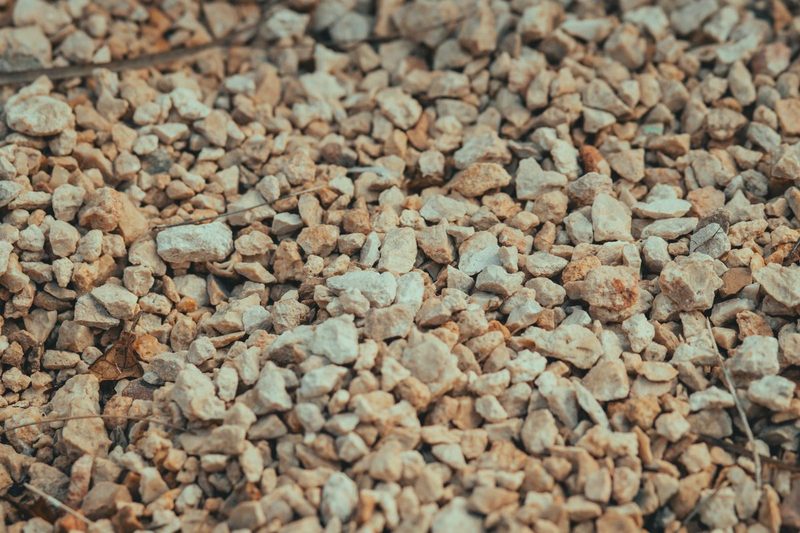
- MOT Type 1 supplied, laid and compacted at 150mm: £12 to £20 per m2
- MOT Type 3 at 200mm for a permeable build: £18 to £28 per m2
- Geotextile membrane: £1 to £3 per m2 fitted
- Concrete-bedded edging or kerbs: £30 to £55 per linear metre
- Extra sub-base depth on soft clay: around £4 to £8 per m2 for every additional 50mm
- Land drain or channel drain where needed: £60 to £120 per metre
All in, sound groundwork on a 50m2 drive tends to cost somewhere between £2,500 and £4,500. On a steep site with poor access or deep clay, it can be more. Skilled groundworkers are in steady demand across Teignbridge and the South Hams, and good crews are often booked four to eight weeks ahead in spring and summer. That's one reason quotes that are dramatically cheaper than the rest are worth looking at closely.
We've written separately about how a tarmac driveway is installed in Newton Abbot, which follows the job from the first dig to the final roll.
How to Check a Driveway Contractor Isn't Skimping on the Sub-Base
You don't need to be an expert to catch the worst shortcuts. A few questions and a short look on day one will tell you most of what you need to know.
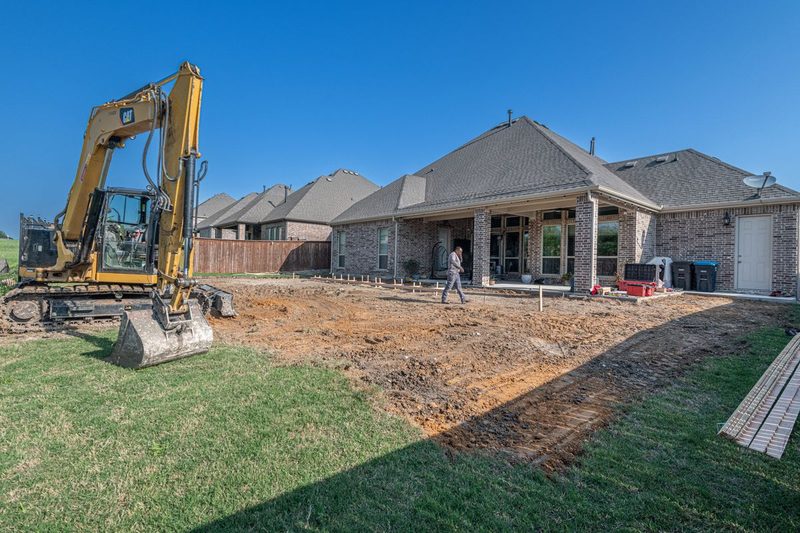
- Ask for the excavation depth and sub-base depth in writing, in millimetres. "Full dig-out" on its own means nothing.
- Ask which grade of stone they're using - Type 1, Type 3 or recycled - and where it comes from.
- Ask whether a geotextile membrane is included, especially if you're on clay around Kingsteignton or Newton Abbot.
- Ask how they compact, and in how many layers.
- Ask what the edges are bedded on.
- Ask where the water goes, and what happens to it in a wet January.
Be wary of anyone offering to lay a new surface straight over an old drive that has already sunk, or who wants a large cash deposit before materials arrive. On the day, have a look at the dig before the stone goes in. Put a tape measure in the trench. If you were promised 250mm and you're looking at 120, you'll know. Using a contractor registered with a government-endorsed scheme such as TrustMark also gives you a route to complain if the work turns out to be substandard.
A ten-year guarantee on the surface doesn't help much if the base gives up in three. Any decent installer will walk you through the layers, and plenty will send photos of the sub-base before the surface goes on.
Common Questions About Driveway Sub-Bases in Newton Abbot
How deep should a driveway sub-base be in Newton Abbot?
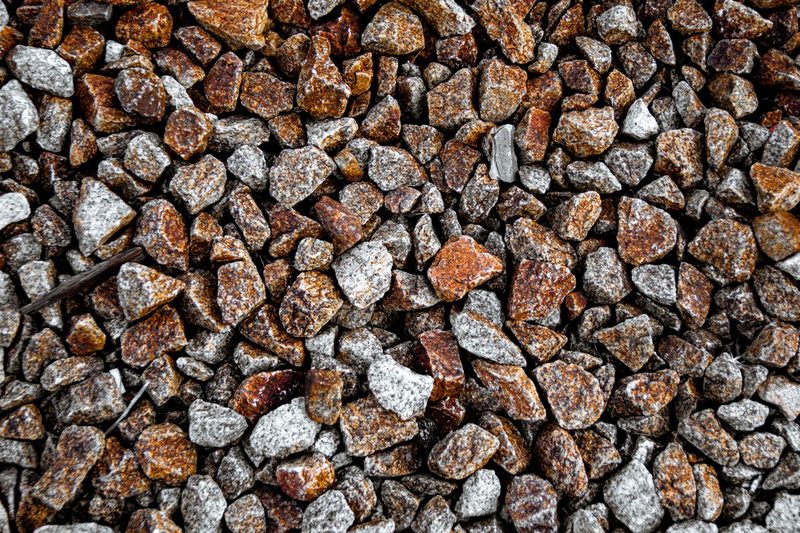
For cars on firm ground, 150mm of compacted MOT Type 1 is the usual minimum. On the soft clays around Newton Abbot and Kingsteignton, 200 to 250mm with a geotextile membrane underneath is more common. The total dig, including the surface layers, is usually 220 to 300mm.
What's the difference between MOT Type 1 and Type 3?
Type 1 contains fine particles that compact into a dense, strong layer but doesn't drain well. Type 3 has the fines removed so water can pass through it, which makes it the right base for permeable driveways. Type 3 is usually laid slightly deeper to carry the same load.
Can a new driveway be laid over the old one?
Sometimes, if the old base is sound, level and well drained. If the existing drive has sunk, rutted or cracked in a pattern, the problem is almost always the base, and laying over it just hides the fault for a year or two.
How much does driveway groundwork cost in South Devon?
For a typical 50m2 drive in 2026, excavation, spoil removal, sub-base, membrane and edging usually come to between £2,500 and £4,500 before the surface. Steep plots, poor access and deep clay push the figure higher.
You might also like
West County Driveways