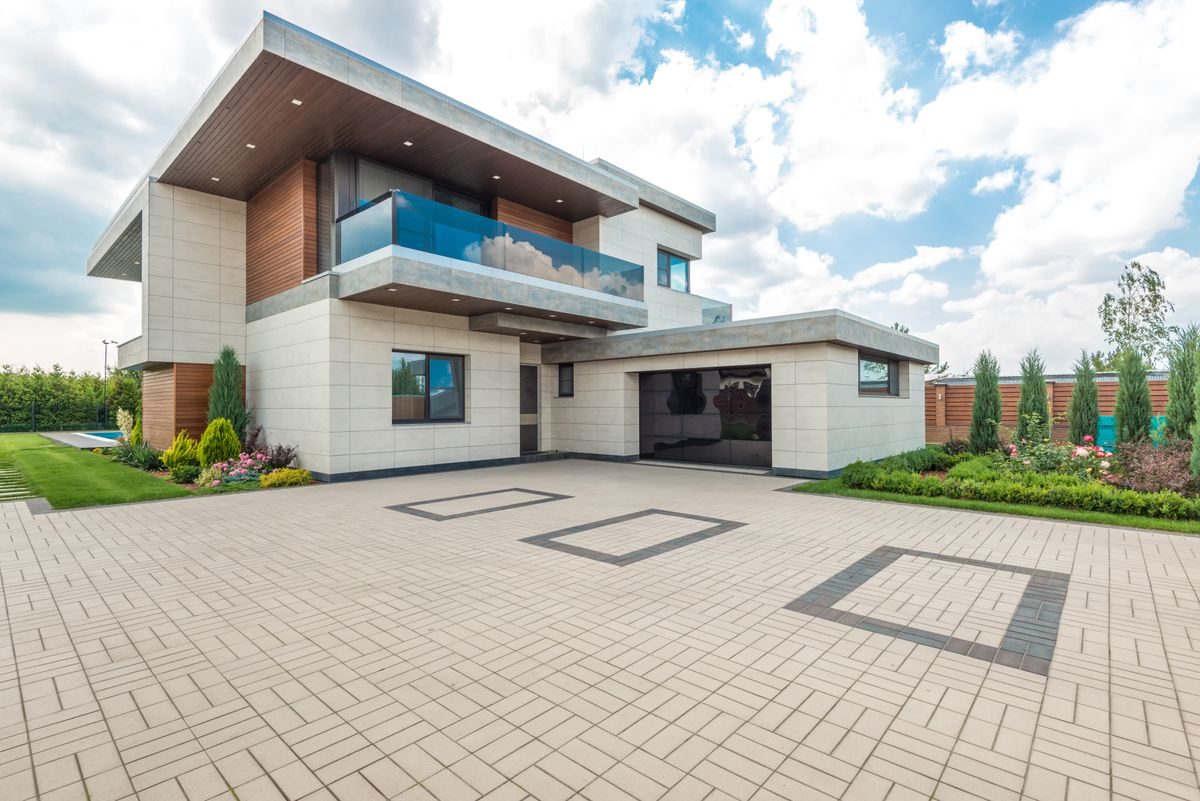
Block Paving Driveway Repairs in Paignton: What Can Be Fixed and What Can't
One of the things people often don't realise about block paving until something goes wrong is how much of it can actually be fixed without touching the rest of the driveway. A cracked block, a sunken section near a drain, weeds pushing up through the joints, these are all things that can usually be sorted on their own. Other problems, though, point to something happening underneath the surface, and trying to patch those without addressing the cause just means doing the same repair again in a year or two.
Sunken or Uneven Sections
If you're noticing dips, cracks, or shifting blocks on your driveway, West County Driveways can take a look and tell you fairly quickly whether it's a localised fix or something that points to a wider sub-base issue.
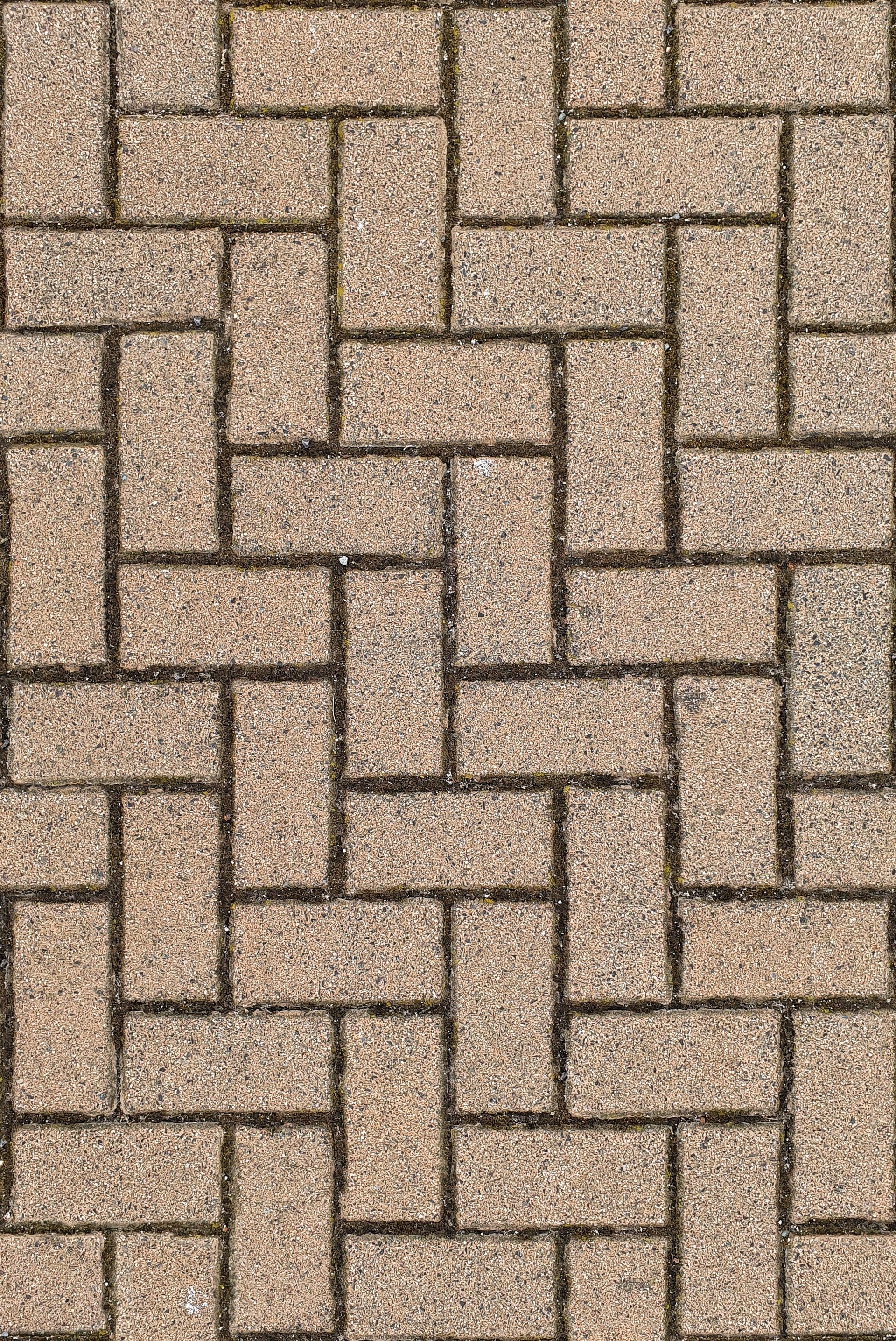
A sunken patch of block paving, often near a manhole cover, drainpipe, or where a vehicle regularly turns, is usually caused by the sub-base underneath settling or compacting unevenly. The fix here is to lift the affected blocks, top up and re-compact the sub-base and bedding sand, then relay the same blocks back in place. Because block paving is laid as individual units, this can often be done as a small, contained job without disturbing the rest of the driveway. The blocks themselves are rarely the problem; it's almost always what's underneath them.
Cracked or Damaged Individual Blocks
Block paving's biggest practical advantage shows up here. If one or two blocks crack, chip, or get stained beyond cleaning (oil leaks are a common culprit), they can be lifted out individually and swapped for new ones. The only real complication is colour matching, blocks fade with sun and weather over the years, so a brand new block dropped into an older driveway can look noticeably different until it weathers in. Keeping a few spare blocks from the original installation, if you have them, solves this. If not, a installer can often source a close match, though it may not be exact for a year or so.
Weeds, Moss, and Joint Sand
This is the maintenance side of block paving rather than a repair, but it's the issue that comes up most often. Joints between blocks are filled with kiln-dried sand, and over time this can wash out or get displaced, leaving gaps where weed seeds and moss can establish. In Paignton's coastal climate, with regular rain and salt-laden air, moss in particular tends to creep back faster on driveways that don't get much direct sun, north-facing ones especially.
Re-sanding the joints (brushing in fresh kiln-dried sand and compacting it down) every couple of years keeps this under control and is one of the few bits of driveway maintenance most homeowners can do themselves, though a pressure wash and proper re-sand from a contractor tends to last longer and look more even.
When a Full Relay Makes More Sense
Comparing the Long-Term Picture
We've looked at how tarmac, block paving, and resin compare on cost and upkeep, and one point that comes up is that block paving's repairability is one of its strongest advantages over the other two options. But that advantage has a limit. If sinking, cracking, or drainage issues are showing up across large areas of the driveway rather than in one or two spots, that's usually a sign the sub-base as a whole was either under-built originally or has failed more broadly, often from water getting underneath and washing material away over time.
In that situation, patching section after section ends up costing more in total than a full relay, and the patches themselves tend to look mismatched even when the colour is close. A full relay means lifting all the blocks, rebuilding the sub-base properly with the right depth and compaction, and relaying, which gives a uniform finish and addresses the underlying cause rather than the symptom.
Getting a Proper Assessment
The honest answer to "can this be repaired?" almost always depends on what's happening below the surface, not what's visible. A driveway with a few isolated issues across an otherwise solid base is usually a good repair candidate. One where problems are spreading, or where the same spot keeps failing after being fixed, is telling you something about the foundation that a patch won't solve.
FAQ
Q: Can a single cracked block paving slab be replaced without redoing the whole driveway? A: Yes. Individual blocks can be lifted out and replaced, which is one of block paving's main advantages over tarmac or resin. The main challenge is colour matching if the rest of the driveway has weathered.
Q: Why does block paving sink in certain spots? A: Sunken patches are usually caused by the sub-base underneath settling or compacting unevenly, often near drains, manholes, or areas with regular vehicle turning. The blocks themselves are rarely the cause.
Q: How often should block paving joints be re-sanded? A: Roughly every couple of years, though this varies depending on exposure to weather and how much weed and moss growth occurs. In damper coastal areas, joints may need attention more often.
Q: How do I know if I need a full relay instead of a repair? A: If problems are isolated to one or two areas, a repair usually works. If sinking, cracking, or drainage issues are spread across large sections, or the same spot keeps failing after repair, it usually points to a wider sub-base problem that a full relay addresses properly.
You might also like
West County Driveways