Tarmac vs Gravel Driveways in Newton Abbot: Costs, Upkeep, and Which Suits Your Home
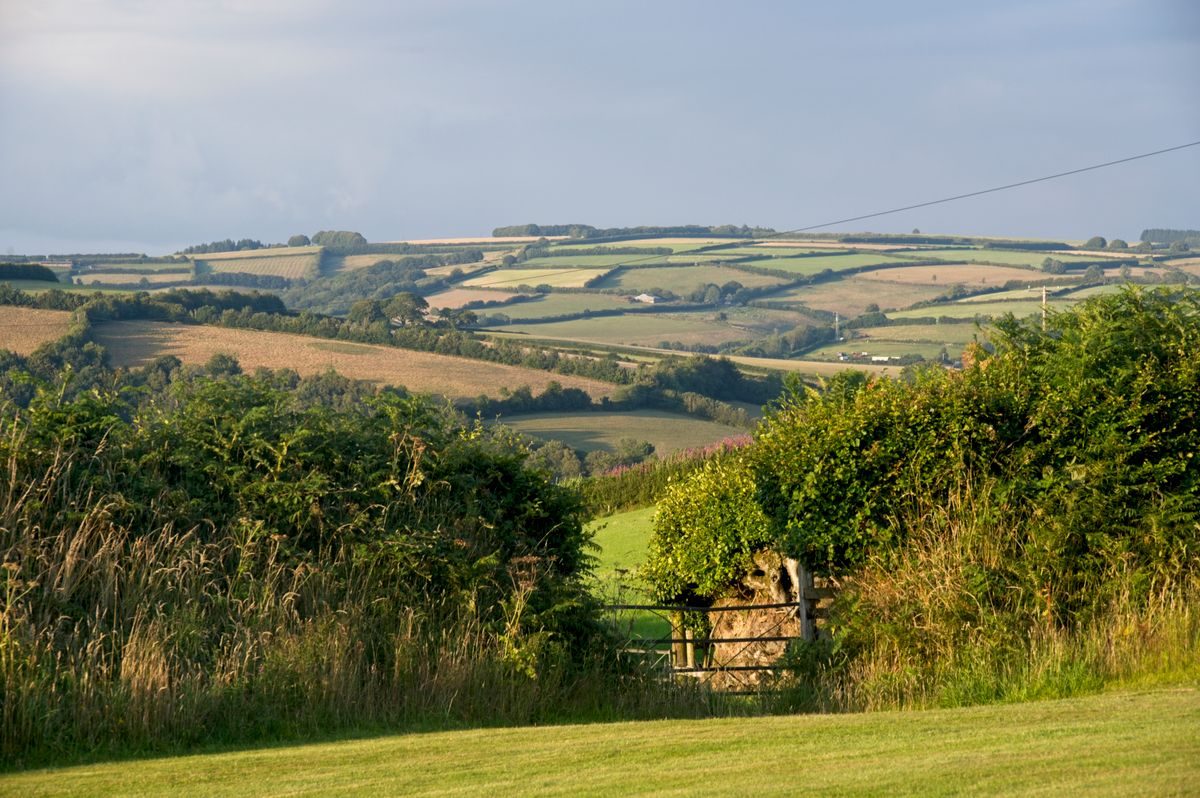
Gravel and tarmac are the two surfaces most Newton Abbot homeowners end up choosing between, and on paper they look surprisingly close on price. Gravel typically lands around £40-£70 per square metre installed properly, tarmac around £45-£65, so a 40m² drive sits somewhere near £1,600-£2,800 either way. The gap only opens up once you live with them. Newton Abbot gets well over 1,000mm of rain a year - roughly 20-30% more than the England average - and a lot of the town and its surrounding villages sit on sloped, clay-heavy ground along the Dartmoor fringe. Those two facts do more to decide the right surface than any showroom sample ever will. Tarmac tends to last 15-25 years with light upkeep; gravel needs topping up every few years but is far cheaper to patch. This guide compares them honestly, using local conditions rather than generic advice.
The Real Cost Gap Between Tarmac and Gravel in 2026
Start with the headline rates. A properly built gravel driveway - excavated, membraned, sub-based and edged - runs roughly £40-£70 per square metre in the Newton Abbot area. Tarmac sits at about £45-£65 per square metre supplied and laid. On a standard 40m² two-car drive that's around £1,600-£2,800 for gravel and £1,800-£2,600 for tarmac, which is close enough that price alone rarely decides it.
The catch is what "properly built" means for gravel. A cheap gravel drive at £25-£30 per square metre is usually just stone tipped onto a scraped surface with a membrane under it, and on Newton Abbot's clay that fails fast - the stone works into the ground, weeds push through, and within three or four winters you're paying again. A gravel drive built to last needs the same 100-150mm compacted sub-base a tarmac drive gets, which is why the honest gravel price overlaps with tarmac rather than undercutting it.
If you want a real number rather than a range, an on-site measure is the only way to get one. West County Driveways covers Newton Abbot and the wider Teignbridge area and will price both options on the same plot so you can compare like for like. We've also broken the tarmac side down band by band in our Newton Abbot tarmac driveway cost guide, which is worth a read alongside this comparison.
How Newton Abbot's Wet Climate Treats Each Surface
South Devon's climate is mild but genuinely wet. Newton Abbot averages upwards of 1,000mm of rainfall spread across roughly 140-150 wet days a year, and winters here rarely get cold enough for long hard frosts - it's persistent damp rather than deep freeze.
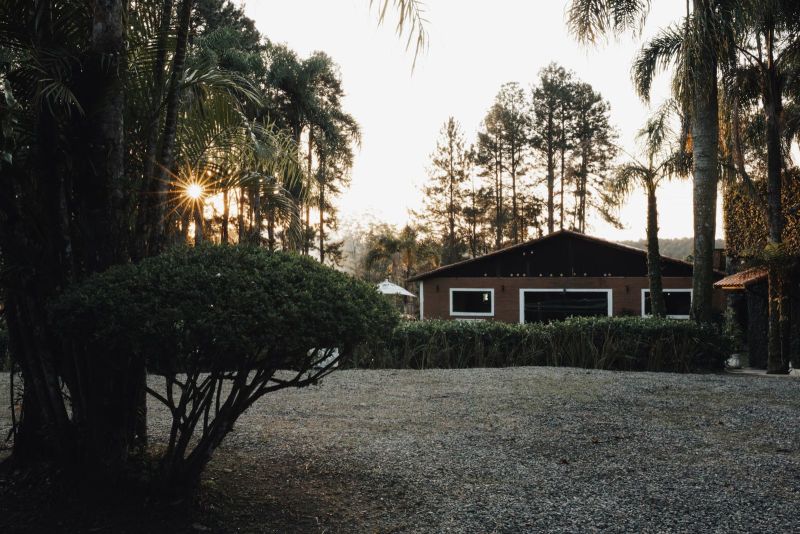
Gravel handles that rain well in one sense: water drains straight through it, so you get no standing puddles and no run-off racing toward your front door. What damp does to gravel instead is encourage weeds and moss between the stones, and on any kind of slope it lets rain wash the loose stone downhill over time.
Tarmac sheds water rather than absorbing it, so it needs to be laid with the right falls - usually a gradient of about 1 in 60 to 1 in 80 - and somewhere sensible for that water to go. Get that right and tarmac copes with Devon weather for two decades. Get it wrong and you'll have a puddle that sits for days, and standing water is the single fastest way to break down a tarmac surface from the edges in.
Moss, Algae and the Damp-Climate Tax
Both surfaces pay a damp-climate tax in Newton Abbot, just in different currencies. Tarmac grows a green film of algae on shaded, north-facing drives and usually wants a wash once or twice a year - budget an hour with a stiff brush and a suitable cleaner, or around £80-£150 for a professional clean.
Gravel's version is weeds. Even with a good geotextile membrane underneath, windblown seed germinates in the dust that collects between stones, so expect a couple of hours of weeding or a treatment two or three times through the growing season. Neither is a dealbreaker, but if low fuss matters to you, tarmac's upkeep is more predictable.
Slopes, Dartmoor-Edge Plots and Loose Stone
This is where the two surfaces genuinely part company. A large share of properties around Newton Abbot, and especially the villages climbing toward the Dartmoor edge, sit on sloped plots. Gravel and slope are an awkward pairing.
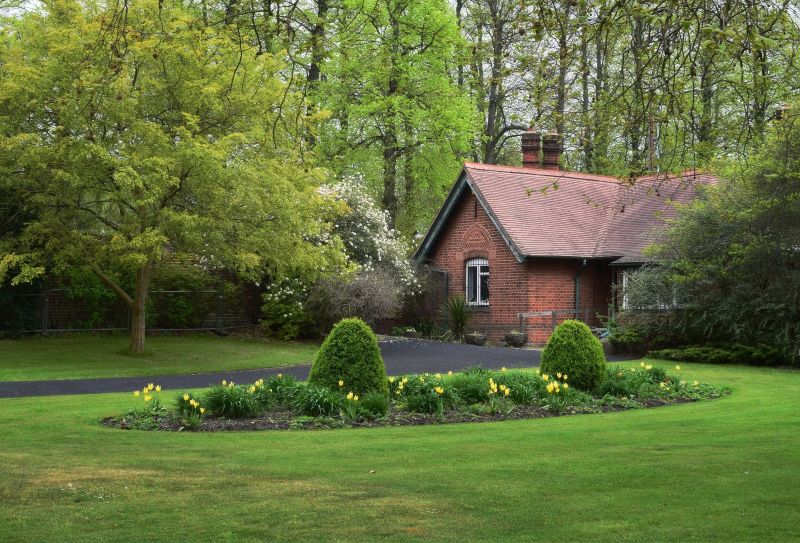
On anything steeper than roughly 1 in 12, loose gravel migrates. Cars push it, rain moves it, and you end up sweeping stone back up the drive and topping it up more often than the supplier suggested. There are fixes - gravel stabilisation grids at around £15-£25 per square metre on top of the stone cost, or a resin-bound finish if the budget allows - but a grid pushes a gravel drive past tarmac on price.
Tarmac has no such problem. It's laid hot and rolled into a single bound surface, so gradient makes almost no difference to how it behaves day to day. Slope does add cost on the build - levelling, sometimes a stepped design, and extra drainage typically add 10-20% - but that's a one-off, not an annual chore. For sloped Newton Abbot plots, tarmac is usually the more sensible answer.
Upkeep Year by Year: Raking vs Sealing
Over a 20-year window the maintenance patterns look quite different. Gravel needs topping up. A driveway loses stone to car tyres, drainage and general scatter, so most drives want a fresh 25-50mm layer every 3-5 years. At roughly £45-£70 per tonne delivered, and with a tonne covering about 12-15m² at that depth, a 40m² drive costs somewhere around £150-£250 each time. Add occasional raking to keep it level and the weeding mentioned above.
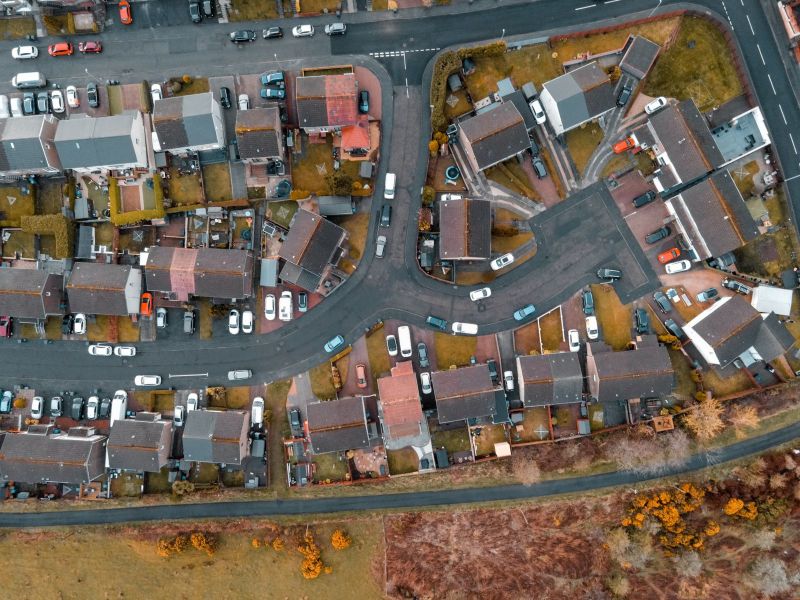
Tarmac's upkeep is lighter but more occasional. A wash once or twice a year, a check on the edges, and a sealant coat every 4-6 years at around £3-£6 per square metre - about £120-£240 on a 40m² drive - keeps the surface from drying out and going brittle. Small cracks and the odd pothole want patching promptly, because water getting into the base is what turns a £60 repair into a £600 one.
What Repairs Cost When Things Go Wrong
Gravel wins on repair simplicity. A damaged patch is fixed with a bag of stone and a rake, and there's no colour matching or specialist kit involved. If a service trench is dug across a gravel drive, you'd barely know a month later.
Tarmac repairs need a contractor and hot material, so a patch typically starts around £150-£300 and a full resurface of a 40m² drive runs about £1,200-£2,000. On the other hand, a well-built tarmac drive needs those repairs far less often. We've written in more detail about keeping a surface in good order in our guide to keeping a tarmac driveway looking new in Newton Abbot, which covers the seasonal jobs worth doing.
Drainage, Planning and the 5m² Rule in Teignbridge
Both surfaces sit inside the same planning framework, and it's worth understanding before you commit. Since 2008, laying more than 5m² of impermeable surfacing at the front of a house that drains to the road normally needs planning permission. Drain it to a permeable border, a lawn, or a soakaway inside your boundary and you generally stay within permitted development.
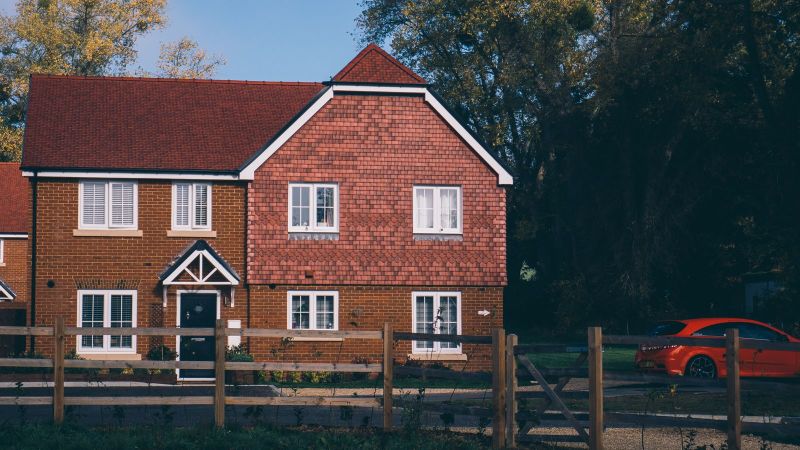
Gravel is naturally permeable, so it sidesteps the issue in most cases - one of its genuine advantages. Tarmac is impermeable as standard, which means the drainage design has to do the work: a linear channel drain across the drive typically adds £250-£500, and a soakaway a few hundred more depending on ground conditions. On Newton Abbot's clay, soakaways need proper sizing because clay drains slowly, so a percolation test is sometimes sensible.
The government's guidance on permeable surfacing of front gardens{:target="_blank" rel="noopener noreferrer"} explains the rules in plain terms, and the Planning Portal's page on paving your front garden{:target="_blank" rel="noopener noreferrer"} is the other reference worth ten minutes before you finalise a layout. Teignbridge District Council is the planning authority for Newton Abbot, so any application would go through them.
Lifespan and Cost Per Year of Service
Headline price matters less than what each surface costs you per year. A tarmac driveway laid on a proper 100-150mm sub-base, with edging and sensible falls, should give 15-25 years in South Devon conditions. Take a £2,200 drive over 20 years and add roughly £500 of washing and sealing across that period, and you're at about £135 a year.
A well-built gravel drive doesn't really "expire" - the base lasts as long as tarmac's - but it consumes stone. Take a £2,000 install, then £150-£250 of top-up every 4 years plus weeding, and over the same 20 years you're at roughly £145-£165 a year, before counting your own time raking it.
So the running costs land close together. What differs is how you spend the money: tarmac front-loads it and leaves you alone for years at a time, gravel spreads it in small, regular amounts. Neither is wrong - it depends whether you'd rather budget once or potter regularly.
Access, Lanes and Getting Materials to the Plot
Newton Abbot's older streets and the lanes out toward the surrounding villages are narrow, and access changes the calculation. Tarmac is delivered hot and has to be laid quickly, so it needs a roller, a dumper and often a mini-digger on site. Where a lorry can't get close, materials get shuttled by dumper, and that adds 5-15% to a job.
Gravel is far more forgiving. Stone can be bagged, tipped at the roadside and barrowed in over a longer period, and there's no clock running on the material going off. On a genuinely awkward plot with restricted access, that flexibility can be the deciding factor.
Excavation applies to both. A 40m² drive dug to 200mm produces roughly 6-8 tonnes of spoil that has to be carted away, and tipping and haulage costs have climbed with fuel prices. Devon has a decent supply of driveway contractors, but the good ones book up through spring and summer, so allow several weeks' notice rather than expecting next-week availability in the dry season.
Which One Suits Your Newton Abbot Home?
Choose tarmac if your plot slopes, if you park more than one car or anything heavy, if the drive is long enough that raking would become a chore, or if you simply want a surface you can ignore for years. Tarmac's strength is that it does one job well and asks very little in return, and on the sloped, clay ground common around Newton Abbot it's the more robust choice.
Choose gravel if your plot is broadly flat, if you like the softer rural look against a cottage or a period frontage, if drainage and the permeable surfacing rules are a concern, or if the site is awkward to reach with plant. Gravel also has a security perk that people underrate - it's noisy, so nobody arrives unannounced.
If you're torn, ask a contractor to quote both on your actual plot. Slope, access and where the water goes usually make the answer obvious once someone has stood on the driveway and looked at it properly.
---
FAQ
Q: Is gravel cheaper than tarmac in Newton Abbot?
A: Not by as much as people expect. A properly built gravel driveway runs around £40-£70 per square metre and tarmac about £45-£65, so on a 40m² drive both land near £1,600-£2,800. Gravel only looks much cheaper when the quote skips the compacted sub-base, and on Newton Abbot's clay that shortcut tends to fail within three or four winters.
Q: Does gravel work on a sloped driveway near Newton Abbot?
A: On gradients steeper than roughly 1 in 12, loose gravel migrates downhill with rain and tyre movement, so you'll be sweeping and topping up more often. A stabilisation grid at around £15-£25 per square metre fixes it, but that usually pushes the total past tarmac. For the sloped plots common on the Dartmoor edge, tarmac is normally the easier choice.
Q: Which lasts longer, tarmac or gravel?
A: A tarmac driveway laid on a proper 100-150mm sub-base should give 15-25 years in South Devon conditions with a wash once or twice a year and sealing every 4-6 years. Gravel's base lasts just as long, but the stone itself needs a 25-50mm top-up every 3-5 years at roughly £150-£250 for a 40m² drive. Cost per year works out at about £135-£165 either way.
Q: Do I need planning permission for a new driveway in Newton Abbot?
A: Laying more than 5m² of impermeable surfacing at the front of a house that drains onto the road normally needs permission from Teignbridge District Council. Gravel is permeable so it usually avoids the issue, while tarmac stays within permitted development if it drains to a border, lawn or soakaway on your own land.
---
You might also like
West County Driveways