Tarmac Driveway Edging in Newton Abbot: Block, Kerb, and Why It Matters
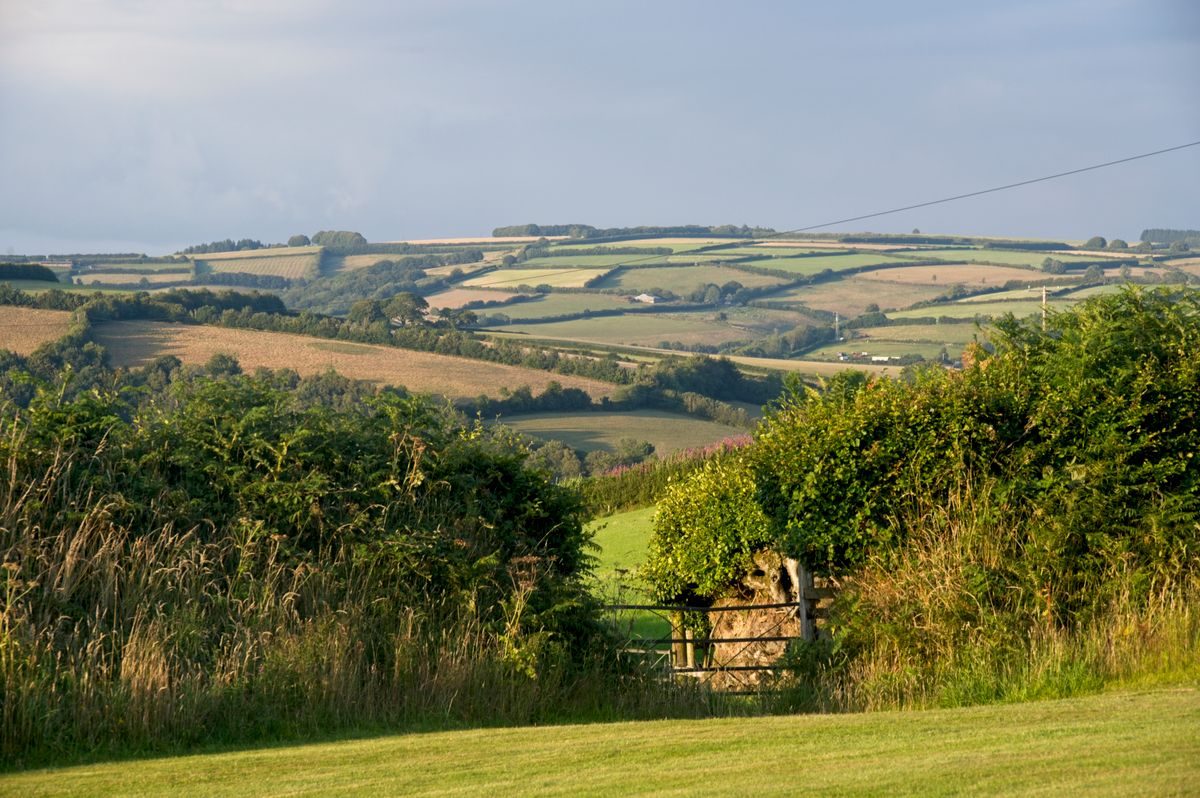
Ask most people what makes a tarmac driveway last and they'll say the tarmac. Ask a driveway fitter and they'll point at the edges. A tarmac surface has no structural strength of its own at the border - without something holding it in place, the outer 100-150mm slowly spreads, crumbles and breaks away, and in Newton Abbot that process runs faster than the national average. The town sits in the Teign Valley catching well over 1,000mm of rain a year, roughly 20-30% more than the England average, and water is exactly what attacks an unrestrained edge. A proper edging detail adds maybe 8-15% to the cost of a driveway, typically £15-£40 per linear metre depending on the type, but it's the single cheapest thing you can do to add years to the surface. Skip it and you can lose a third of your driveway's life. This guide walks through block, kerb and the other options, and why the choice matters more here than in a drier part of the country.
Why the Edge Is Where Tarmac Fails First
Tarmac is a flexible surface bound with bitumen, and it relies on being confined. Think of it like a biscuit in a tin - held tight on all sides it stays firm, but leave one side open and it starts to crumble outward. The technical term for the border is an "edge restraint", and its job is to stop the tarmac migrating sideways under the weight of cars turning and braking. Without it, the edge loses support, cracks appear parallel to the border, and chunks work loose. On a typical Newton Abbot drive you might see this within 5-7 years instead of the 15-20 a well-edged surface should give.
Local conditions make a weak edge worse. A lot of Teignbridge plots sit on clay-heavy subsoils that swell when wet and shrink in dry spells, and that ground movement is transmitted straight to any unsupported margin. Add the sloped, Dartmoor-edge sites common around Ogwell and Kingskerswell, where water runs down toward the lowest edge and pools there, and you have the exact recipe for edge failure. If you're weighing up whether your existing drive needs re-edging or a fuller repair, the team at West County Driveways covers Newton Abbot and the wider Teignbridge area and can tell you in a short site visit whether the border is the problem or a symptom.
Block Edging: The Most Popular Choice
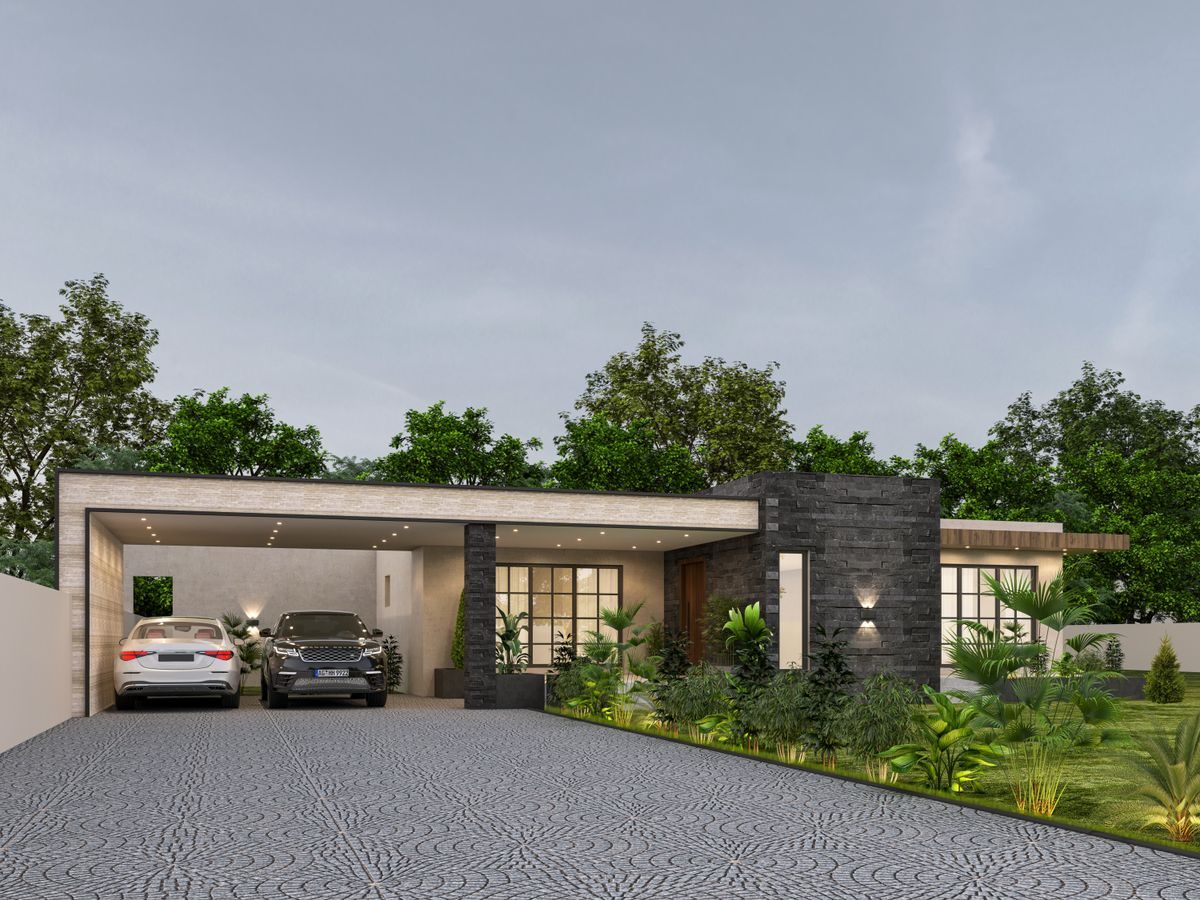
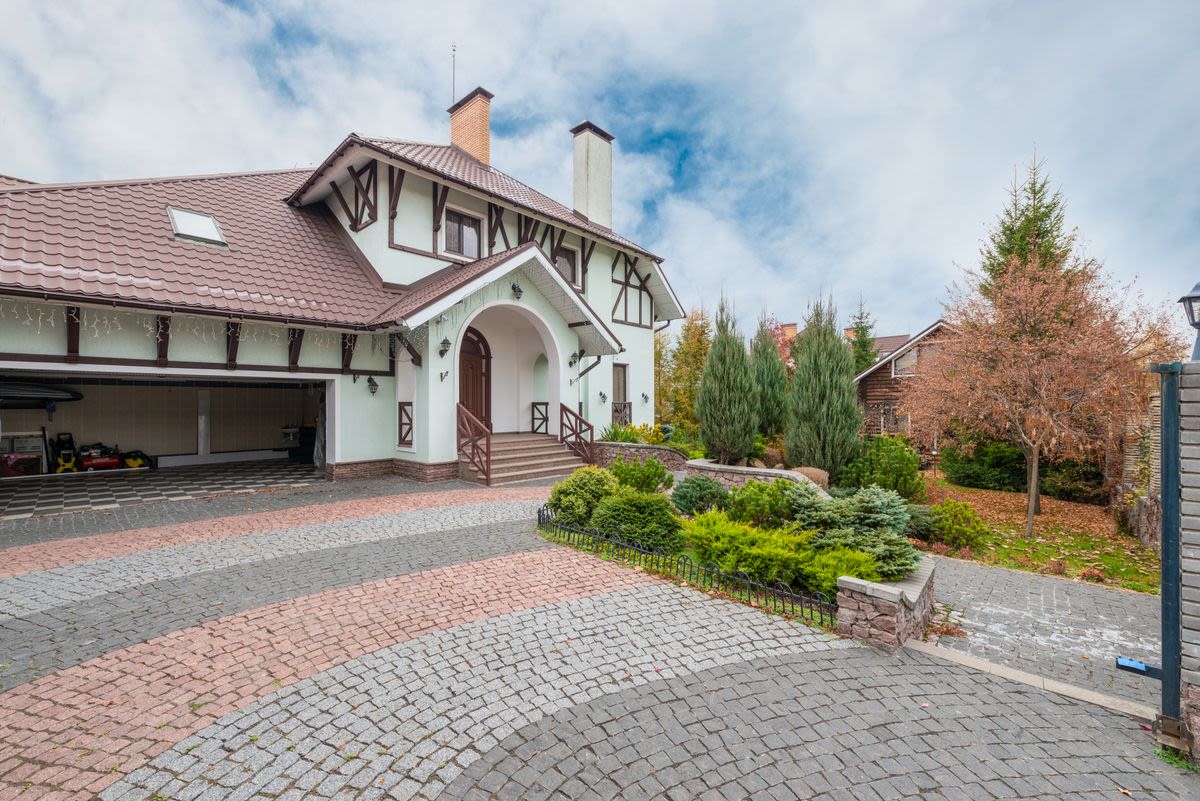
Block edging - a single or double course of concrete block paving set on a concrete haunch around the tarmac - is by far the most common restraint on Devon driveways, and for good reason. It looks smart, comes in colours that can complement or contrast the black tarmac, and it's strong. Expect to pay roughly £25-£40 per linear metre installed, which on an average 10m frontage works out to £250-£400 for the border.
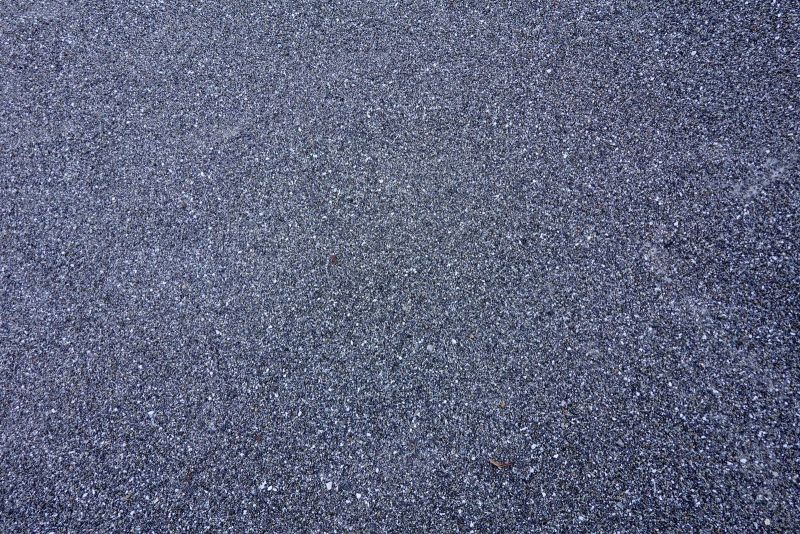
The strength comes from how it's laid, not just the block itself. A proper block edge is bedded on a concrete foundation and "haunched" - that's a wedge of concrete run up the back of the blocks to lock them in place. On a 20m perimeter drive that's a solid, continuous frame the tarmac can press against. It also gives you a clean line to lay the tarmac up to, which is why finished driveways with block edging tend to look tidier than those without.
Getting the Levels Right for Drainage
Here's where Newton Abbot's rainfall makes edging a drainage decision, not just a cosmetic one. A block edge can be set slightly proud of the tarmac to contain water and channel it, or dropped flush along one side to let water run off into a border or soakaway. On a sloped Ogwell plot you generally want the low edge to release water rather than trap it against the surface. Getting these levels wrong is one of the most common causes of ponding, and standing water is what shortens a tarmac driveway's life more than anything else in this climate. Because a permeable-friendly layout can matter for planning too, it's worth understanding the government guidance on permeable surfacing of front gardens{:target="_blank" rel="noopener noreferrer"} before you finalise how the edges drain.
Kerb Edging: When You Need Extra Strength
Where a driveway meets a road, a steep slope, or takes heavier vehicles, a full concrete kerb is the stronger option. Kerbs are chunkier than edging blocks - think 125mm or 150mm deep units set in concrete - and they're built to take real load and impact. They cost more, usually £30-£50 per linear metre installed, but on the right site they're worth it.
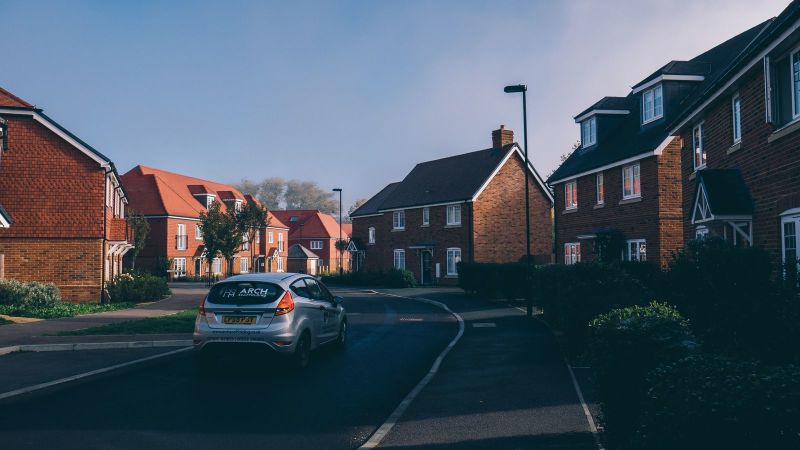
Kerbs earn their keep in a few Newton Abbot situations. On the sloped drives around the Dartmoor fringe, a kerb along the downhill edge acts as a proper retaining line and stops both the tarmac and the sub-base creeping downhill over the years. At the road end, a bullnosed or splayed kerb gives a clean transition and protects the tarmac from the shearing forces of cars mounting the entrance. And if you regularly park a van, motorhome or trailer, the extra depth resists the point loads that would chew through a lighter edge.
The trade-off is appearance and price. A big grey kerb can look municipal against a domestic frontage, so many homeowners use kerbs only where the strength is genuinely needed - the road edge or the downhill side - and block edging elsewhere. That mix-and-match approach is common and sensible.
Other Edging Options: Pinned, Timber and Natural Stone
Block and kerb cover most driveways, but they aren't the only choices. A pinned or "flush" metal or plastic edge restraint - a proprietary strip pegged into the sub-base - is the cheapest option at around £10-£20 per linear metre. It's discreet and quick to fit, but it's the weakest of the lot and best kept to low-traffic borders like the edge against a lawn rather than the working part of the drive.
Timber edging (treated sleepers or gravel boards) runs about £15-£30 per linear metre and suits a rustic look, which fits some of the older cottages and converted plots around Ashburton and the villages. The catch is lifespan: in Newton Abbot's damp, timber in ground contact rarely lasts more than 8-12 years before it rots, whereas a concrete block or kerb edge will comfortably outlive the tarmac itself.
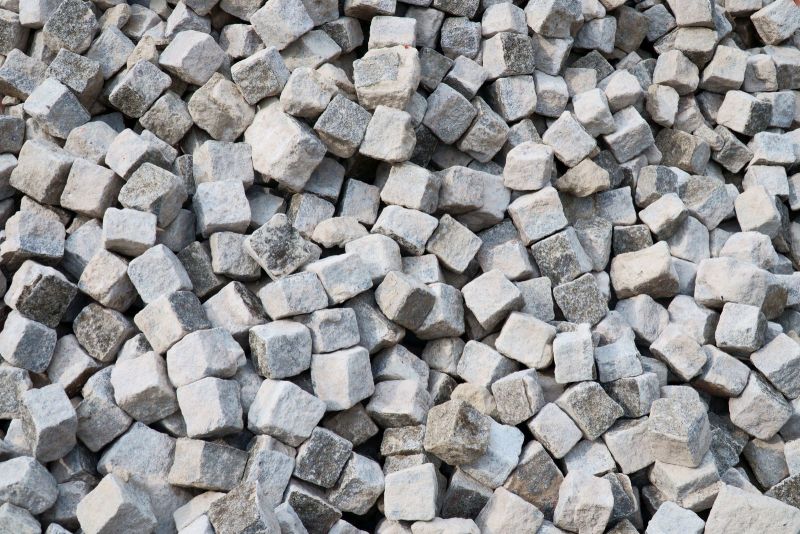
Natural stone setts or granite kerbs are the premium end, £45-£70 per linear metre or more. They look superb against a dark tarmac and are effectively permanent, but they're a serious investment usually reserved for higher-value properties. For a homeowner deciding between materials, the Planning Portal's guidance on paving your front garden{:target="_blank" rel="noopener noreferrer"} is a useful reference on which surfaces and borders keep you within permitted development.
How Edging Affects Cost and Lifespan
It's easy to see edging as an optional extra to trim from a quote, but the maths says otherwise. On a typical 40m² Newton Abbot tarmac drive costing somewhere in the region of the figures in our Newton Abbot tarmac driveway cost guide, the edging is usually £250-£500 of the total - around 8-15%. For that outlay you're protecting a surface that might otherwise start breaking up at the margins within 5-7 years.
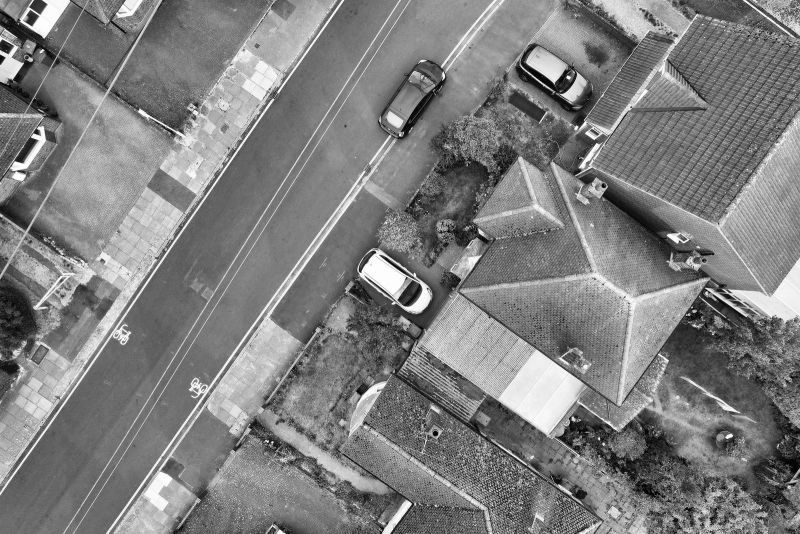
Put another way: a poorly edged drive that needs its perimeter cut out and re-laid at 8 years hasn't saved you the edging cost, it's cost you a repair on top. Re-edging an existing drive after the fact - cutting back the failed margin, forming a foundation and laying new blocks - typically runs £30-£50 per linear metre because of the extra breaking-out work, more than doing it right first time.
Lifespan-wise, a well-restrained tarmac surface in this climate should give 15-20 years or more with basic upkeep, while an unrestrained one is doing well to reach 10. The edge is quietly one of the highest-return decisions on the whole project.
Choosing and Maintaining Your Edging in Newton Abbot
The right edge depends on your site more than your taste. As a rough steer: block edging for most flat or gently sloped frontages, kerb along road entrances and steeper downhill sides, and only use the lightweight strip restraints where a border sees no vehicle load. If your plot slopes toward the house or a neighbour, get the drainage falls and edge levels designed together rather than as an afterthought.
Maintenance is light but worth doing. Keep the joint between the tarmac and the edge free of weeds, because roots working into that seam over a couple of wet Devon winters can lift the margin. Check after heavy rain for any spot where water pools against the edge, and clear leaves from the border in autumn so channels stay open. A quick annual look at the edge catches small movement before it becomes a repair.
Devon has a healthy supply of driveway contractors, but availability tightens through the drier spring and summer months when everyone books work into the same short weather windows, so plan ahead. When comparing quotes, ask specifically what edge restraint is included and whether it's haunched in concrete - a cheap quote sometimes hides a missing or token edge. It's also worth checking whether a firm is registered with a government-endorsed scheme like TrustMark, the government-backed quality register for tradespeople{:target="_blank" rel="noopener noreferrer"}.
---
FAQ
Q: Do I really need edging on a tarmac driveway in Newton Abbot?
A: Yes, in almost every case. Tarmac has no structural strength at its border and spreads or crumbles without an edge restraint to confine it. In Newton Abbot's wet climate and on the clay subsoils around Teignbridge, an unrestrained edge can start failing within 5-7 years. A proper edge adds only around 8-15% to the cost (roughly £15-£40 per linear metre) but can add years to the surface.
Q: What's the difference between block edging and kerb edging?
A: Block edging is a course of concrete block paving on a concrete haunch, costing around £25-£40 per linear metre - smart-looking and strong enough for most domestic drives. Kerb edging uses chunkier 125-150mm concrete units at roughly £30-£50 per linear metre and is used where you need extra strength, such as the road entrance or the downhill edge of a sloped Ogwell or Dartmoor-fringe plot.
Q: How much does driveway edging cost per metre in Devon?
A: As a 2026 guide: lightweight pinned strip restraints around £10-£20 per linear metre, block edging £25-£40, concrete kerb £30-£50, timber £15-£30, and natural stone setts £45-£70 or more. On a typical 10m frontage, block edging works out to roughly £250-£400 installed.
---
You might also like
West County Driveways