Step-by-Step Guide to Getting a Resin Bound Driveway Installed
Because of their modern appearance and durability, resin bound driveways are becoming increasingly popular. There are many advantages including the surface being smooth, permeable and also resistant to weeds and cracking. Resin can be used for patios, paths and also driveways. In the UK, they are a good choice because of the fact that they comply with SuDS regulations (Sustainable Drainage Systems). To ensure a long lifespan, the installation involves several important steps. The more understanding customers have, the easier it is to prepare your timeline and budget.
Where to Start? Initial Consultation and Site Assessment
To start the process, the size, condition and layout of the area you wish to redo in resin needs to be assessed by a professional installer. Depending on the condition of the ground, the preparation process may vary. One key element is the drainage where the flow of water is checked. Sometimes, the existing surfaces may need to be removed if it is unsuitable. To provide an accurate quote, detailed measurement will need to be taken. When you meet with your installers, it is important to discuss colour options as well as aggregate types and preferences for the finish.
How to Choose the Right Resin and Aggregate
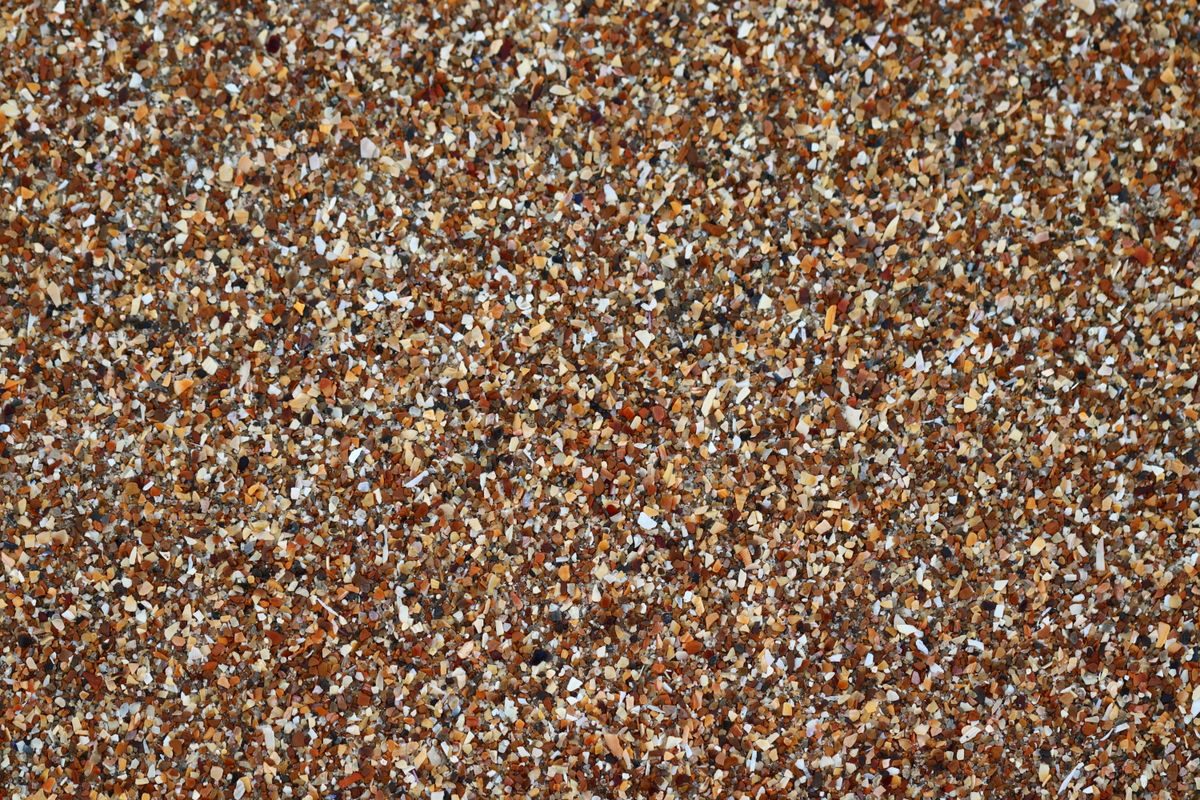
It is useful to know that when you are choosing your resin, there are a range of blends and stone colours. There are options that are UV stable and the resin will be prevented from yellowing over time if you choose this. The choice of aggregate will dictate the overall texture and appearance. There are different colours available and this can compliment the exterior of your house and garden area. There are slip-resistant blends that will make the area safer. A natural stone finish is becoming more and more popular.
How to Prepare the Existing Surface
The preparation process is essential for durability. If you already have concrete or tarmac as a base, this is considered a suitable foundation. However, if you have a damaged or loose surface, this will more than likely need to be removed. To increase stability, ground excavation may be required. An MOT Type 1 may need to be installed as a sub-base. It is absolutely essential that the surface is level before the resin is applied.
What is Involved in Installing Edging and Drainage
A neat finish can be achieved by adding edging to keep the resin in place. You can choose from metal, stone or brick as the material to do this. Standing water can be a problem and to prevent this, proper drainage is important. One way to achieve this is to have a slight slope. If you choose a permeable surface, this will also help to allow the water to drain naturally. With correct planning and effective drainage, your driveway lifespan will be extended.
Mixing the
Resin and Aggregate
The final consistency is dependant on the careful mixing of the resin and stone. The durability and strength will be dictated by the correct ratio. The process of mixing must be done quickly as the curing begins immediately. The distribution can be done effectively by using professional equipment. Timing is absolutely key to good installation.
Laying the Resin Bound Surface
What to expect when a driveway is installed: firstly, the mixture will be spread evenly across the previously prepared base. The finish needs to be seamless so the installers will smooth the resin to ensure this. The thickness of the resin driveway will be within the range of 15-20mm. The application, if done in this way will guarantee a strong and uniform surface. It is definitely worth doing your research and choosing a skilled installer who understands the process. The finish should be clean and the edges finished carefully.
Curing and Drying Time
It is important to remember that resin surfaces need time to harden properly. You can expect to be able to walk on your driveway within 6-12 hours after installation with vehicles being allowed typically 24-48 hours after. Curing time can be influenced by weather conditions of course. The curing is a key element to the installation and avoiding heavy use before full curing is recommended.
Benefits of Choosing Resin Bound Driveways
Resin driveways have many advantages including low maintenance, resistant to cracking and weeds. There will be good drainage so there will not be puddles of water. The lifespan you can expect is much longer than block paving and will help your property to look smart. There are many options available when choosing the design of the driveway with the possibility of multiple colours and textures. The overall appearance of resin will help to enhance your exterior.
Conclusion
As a home-owner, If you want a long-term solution to improve your outdoor areas, a resin bound driveway is a solid choice. Choosing reliable installers who respect the process and understand how to plan effectively to ensure the preparation and drainage of the driveway is paramount. It is essential to check reviews and take your time when choosing which company you will use. You can expect a well-installed driveway to last for many years.
You might also like
West County Driveways