Tarmac Driveway Costs in Kingsteignton: A 2026 Price Guide
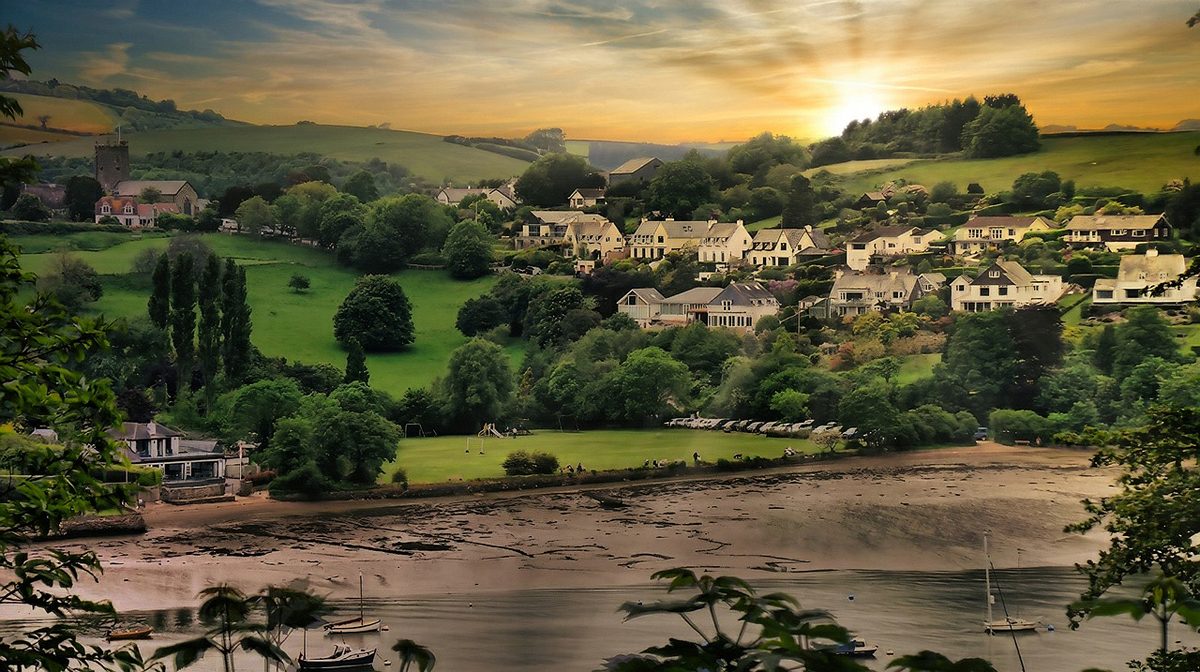
Kingsteignton is regularly described as one of the largest villages in Devon - around 12,000 people, a historic core near the church, and ring after ring of estate housing added from the 1960s onwards between Newton Abbot and the Teign estuary. That housing mix is exactly why tarmac driveway prices here spread the way they do. For 2026, the working rate in Kingsteignton is £45-£65 per square metre supplied and laid, which puts a typical 40m² two-car drive at £1,800-£2,600. The village also sits in the middle of the Bovey Basin, the ball clay field that was dug commercially here for over 300 years, so clay-heavy ground is the rule rather than the exception. Add South Devon's weather - roughly 1,000mm of rain a year, about 20-30% more than the England average, spread over some 145 wet days - and the ground and the drainage end up deciding your price as much as the tarmac does.
What a Tarmac Driveway Costs in Kingsteignton in 2026
Start with the headline figure: £45-£65 per square metre, supplied and laid, for a proper job. That means the old surface dug out, spoil taken away, a compacted stone sub-base, then tarmac in two courses - a binder layer and a wearing layer - with edging to hold it all in place.
Translated into totals, a compact 25m² single drive comes out around £1,100-£1,600. The standard 40m² two-car drive most Kingsteignton households need runs £1,800-£2,600. A wider 60m² frontage with turning room is roughly £2,700-£3,900. Past 60m² the per-metre rate usually softens by 5-10%, because the crew, the machinery and the first hot load cost the same whether they surface 40 metres or 80.
The spread between the bottom and top of that range is nearly 45%, and almost all of it is site-driven: ground conditions, access, drainage and how much digging the old drive needs. A priced-from-a-photo estimate cannot see any of that, which is why West County Driveways quotes Kingsteignton drives from a site visit, with the depths and materials written down rather than implied.
Estate Drives vs Older Plots: Why the Same Village Prices Two Ways
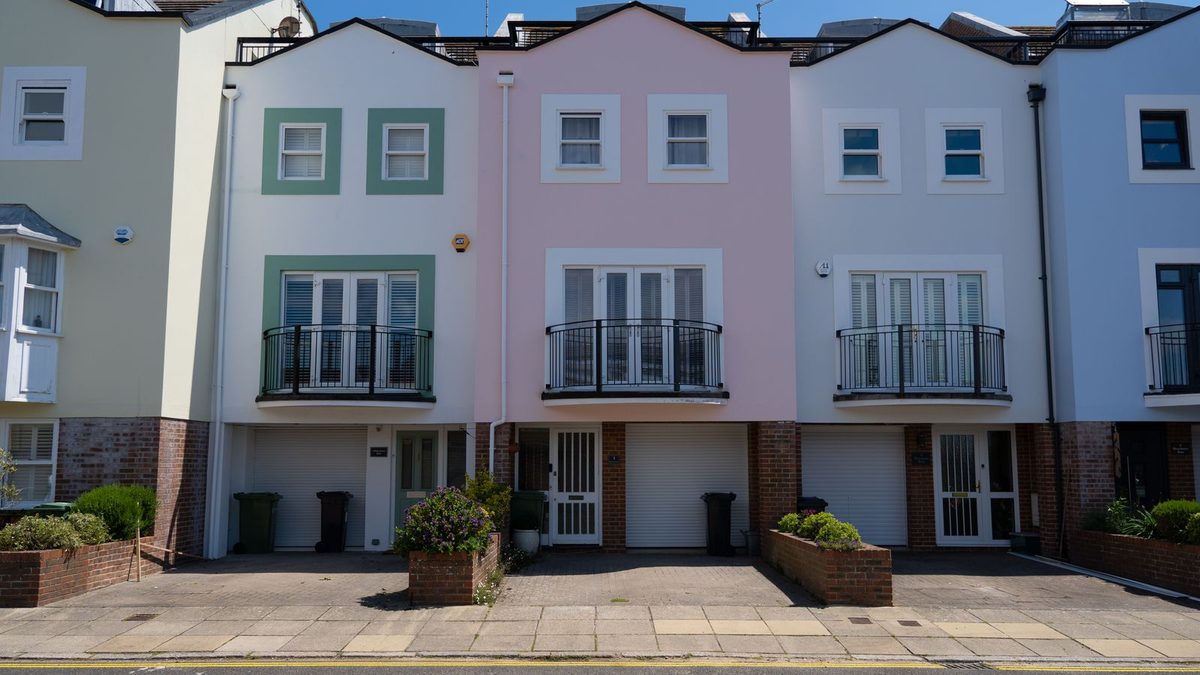
Most of Kingsteignton's housing went up in planned phases through the late 20th century, and those estates are about the friendliest territory a tarmac crew gets in South Devon. Plots are level or gently sloped, frontages are open, and an eight-wheel tipper can usually pull up within a hose length of the drive. Jobs like that sit at the lower half of the range, typically £45-£55 per square metre.
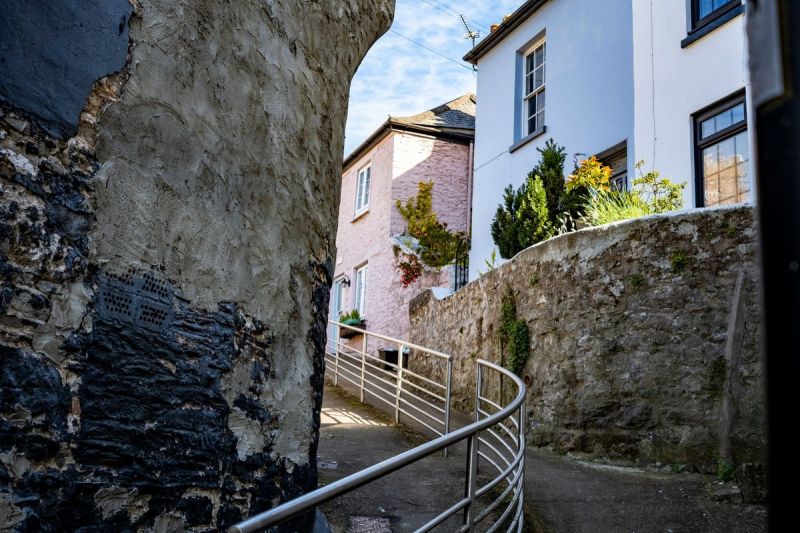
The older lanes around the village core are a different job. Tighter entrances, garden walls hard against the boundary, and sometimes no sensible spot for a lorry to stand. When hot tarmac has to be moved by dumper or barrow from a lorry parked down the road, labour time climbs and the material risks cooling before it is rolled - restricted access adds 5-15% in most cases. The A380 running past the village keeps haulage itself cheap by rural Devon standards, so access on your own frontage is the variable that matters, not distance from the plant.
Shared Drives and Splitting the Bill
Plenty of estate culs-de-sac here have shared or adjoining drives, and that is worth exploiting. Two neighbours surfacing 35m² each as one job will usually beat two separate 35m² prices by 8-12%, because the set-up costs - crew, plant, first load, muck-away lorry - get paid once instead of twice. Agree the split and the spec in writing before anyone signs, though, including where the joint falls and who owns which edge.
Ball Clay Country: What Kingsteignton's Ground Does to the Price
Kingsteignton sits on the Bovey Basin, one of the world's most significant ball clay deposits, worked commercially since the late 1600s. The pits made the village's fortune, but the same geology is under your front garden, and clay is the least cooperative thing you can build a driveway on. It holds water, swells through the wet months, then shrinks back in a dry spell, so the ground moves season after season.
The answer is depth. On firm, free-draining ground a domestic drive can get away with around 150mm of compacted sub-base; on the clay-rich ground common across Kingsteignton, 200-250mm is the safer specification, compacted in layers, under 50-60mm of tarmac laid in two courses. Every extra 50mm of stone across a 40m² drive is roughly 2 more tonnes of aggregate in and a similar weight of spoil out, which is why a properly specified quote on clay runs £300-£500 above a shallow one for the identical area.
That is not money to save. The difference between a 100mm base and a 200mm base on clay is usually the difference between a drive still flat at year 20 and one rippling and cracking by year eight.
How This Compares With Newton Abbot Next Door
Rates barely change across the parish boundary - the same crews price both. Our Newton Abbot tarmac driveway cost guide sets out the town's 2026 figures in the same format, and reading the two together is a quick way to sanity-check any quote: a price well outside both ranges needs explaining.
Overlay or Dig Out? Pricing Up a Tired Estate Drive
A big share of Kingsteignton's drives were laid when their estates were built, which makes many of them 30-50 years old. If yours is cracked, faded or sprouting weeds, there are two routes with very different bills.
A full dig-out and rebuild is the £45-£65 per square metre job above. An overlay - planing or cleaning the existing surface and laying a fresh 25-40mm wearing course over it - runs about £25-£40 per square metre, so a 40m² drive comes down to roughly £1,000-£1,600. That is around half price, and on an estate drive whose base was well built and has stayed sound, it is a genuinely good buy.
The catch is that an overlay only ever performs as well as what is underneath. Cracks that keep reappearing, sunken wheel tracks or heave along the edges are all signs the base itself has failed, and covering a failed base buys two or three tidy years before the same faults print through. On Kingsteignton's clay, base failure is common enough that an honest assessment matters more than in drier, firmer parts of the country - if a contractor recommends overlaying without investigating why the old surface failed, treat that as a warning rather than a saving.
Rain, Runoff and the 5m² Rule in Teignbridge
With around 1,000mm of rain a year falling on ground that drains slowly, water management is part of the price of a Kingsteignton drive, not an optional extra. Tarmac is impermeable, so the rules and the physics both demand the runoff goes somewhere deliberate. A channel drain across the entrance typically adds £250-£500. Where a soakaway is needed - and on clay it must be generously sized, because the ground accepts water so slowly - budget £400-£900.
The planning side is simple once you know the threshold. Surface more than 5m² of front garden with an impermeable material draining to the road and you need planning permission from Teignbridge District Council; direct the water to a lawn, border or soakaway within your own boundary and the job normally stays within permitted development. The government's guidance on permeable surfacing of front gardens{:target="_blank" rel="noopener noreferrer"} explains the rules, and the Planning Portal's paving your front garden pages{:target="_blank" rel="noopener noreferrer"} cover the practicalities. On a typical estate frontage there is usually enough garden to take the water, so compliance costs little - but it has to be designed in from the start, not bodged in after.
What a 2026 Kingsteignton Quote Should Spell Out
Two quotes for the same drive can sit £800 apart and both be "correct" - they are just pricing different jobs. Before comparing bottom lines, check each quote states, in writing: the excavation depth and where the spoil goes (a 40m² dig to 200mm produces 6-8 tonnes); the sub-base material and compacted depth; tarmac laid in two courses with the thickness of each; the edging detail, which at £25-£40 per linear metre is £250-£450 of real money on a typical frontage; drainage provision; and whether VAT is included.
The items most often missing from a suspiciously cheap quote are the base depth and the edging - the two things you cannot see once the job looks finished, and the two things that decide whether it lasts 8 years or 20. If a quote is 25% below the others, assume something from that list has quietly gone missing and ask which.
Booking an Installer: Devon Availability, Timing and Checks
South Devon has a reasonable pool of surfacing contractors, but the reliable ones are booked solid through the warm months - three to six weeks of lead time is normal from late spring to early autumn, and it stretches further after a run of dry weather when everyone books at once. Enquiring in March for a May start is realistic; enquiring in May for a May start usually is not. Winter laying does happen in mild South Devon, and November-February slots are sometimes keener priced by 5-10%, but expect dates to slide when a wet front settles in.
On vetting, ten minutes of checking beats any sales patter. The TrustMark government-endorsed quality scheme{:target="_blank" rel="noopener noreferrer"} lets you confirm whether a firm sits on a recognised register, and any established local contractor can point you to drives in Kingsteignton or Newton Abbot laid five-plus years ago that you can walk past. Be wary of anyone door-knocking with "leftover tarmac from a job up the road" - hot tarmac is ordered by the tonne against a measured area, and genuine surplus enough to build a proper drive does not happen.
Once laid, tarmac is walkable within hours and takes cars in 24-48 hours, though keep heavy vehicles and tight steering-lock turns off it for the first two to four weeks while it hardens fully.
---
FAQ
Q: How much does a tarmac driveway cost in Kingsteignton in 2026?
A: Expect £45-£65 per square metre supplied and laid. That puts a 25m² single drive at roughly £1,100-£1,600, a 40m² two-car drive at £1,800-£2,600, and a 60m² frontage at about £2,700-£3,900. Level estate plots with easy lorry access sit toward the lower end; clay-heavy ground, tight access and drainage work push the price up, and jobs over 60m² usually earn 5-10% off the per-metre rate.
Q: Why does Kingsteignton's clay ground make a driveway more expensive?
A: The village sits on the Bovey Basin ball clay field, and clay swells when wet and shrinks when dry, so the ground under a drive keeps moving. Countering that means a deeper base - typically 200-250mm of compacted stone rather than the 150mm that firm ground needs - which adds roughly 2 tonnes of aggregate plus extra spoil removal per 50mm of depth on a 40m² drive, usually £300-£500 on the quote. Skipping that depth is the main reason drives here fail within eight years.
Q: Can I overlay my old estate driveway instead of replacing it?
A: Often, yes. If the original base is still sound, a fresh 25-40mm wearing course over the existing surface costs about £25-£40 per square metre - roughly half the price of a full rebuild. But recurring cracks, sunken wheel tracks or heaving edges mean the base has failed, and an overlay on a failed base typically looks good for only two or three years. Get the cause of the wear diagnosed before choosing the cheaper route.
Q: Do I need planning permission for a tarmac drive in Kingsteignton?
A: Only in specific circumstances. Surfacing more than 5m² of front garden with impermeable tarmac that drains onto the road needs permission from Teignbridge District Council. If the runoff is directed to a lawn, border or properly sized soakaway inside your own boundary, the work normally falls under permitted development. Most estate frontages in Kingsteignton have enough garden to manage this easily, but the drainage must be planned before the tarmac goes down.
---
You might also like
West County Driveways