Dropped Kerbs and Vehicle Crossings in Newton Abbot: Rules, Costs and How to Apply in 2026
A driveway you cannot legally drive onto is an expensive flowerbed. It sounds obvious, and yet every year we get calls from people around Newton Abbot who have had the front garden dug out and surfaced, only to discover the kerb outside is still standing 125mm proud and the council will not lower it. Driving over an unmodified kerb is an offence, it damages the kerb, and the highway authority can and does enforce it. Off-street parking is worth real money here: parking pressure across Newton Abbot, Kingsteignton and the older parts of Teignmouth is significant, and agents in Devon commonly put the value of a usable off-street space at £5,000 to £15,000 depending on the street. Getting the crossing approved is the part of the job to sort out first, not last.
Who Actually Decides: Devon County Council, Not Teignbridge
This trips people up constantly, so it is worth being clear.
Devon County Council is the highway authority for Newton Abbot and the surrounding area. They decide whether a vehicle crossing can be constructed, what specification it has to be built to, and who is allowed to build it. Teignbridge District Council is the planning authority, and they deal with planning permission where it is needed.
You may need approval from one, or from both. They are separate applications with separate fees and separate timescales, and getting the planning consent does not mean the highway crossing is agreed.
Before you commit to a driveway layout, it is worth checking whether a crossing is achievable at all on your frontage. We look at that as part of any quote, and you can get it started through the West County Driveways website.
When You Need Planning Permission As Well
The rule turns on the type of road you are accessing.
If your property fronts a classified road, which means an A road, B road or C road, creating a new vehicular access needs planning permission from Teignbridge District Council. Around Newton Abbot that catches a lot of properties on and off the A381, A383 and the older through routes in Kingskerswell and Kingsteignton.
If it is an unclassified residential street, you generally do not need planning permission for the access itself, but you still need the highway authority's approval for the crossing.
Separately, the surface itself has its own rule. Laying more than five square metres of hard surface in a front garden requires either a permeable surface, drainage to a soakaway or permeable area inside the boundary, or planning permission. The Planning Portal guidance on paving a front garden sets it out, and the government's permeable surfacing guidance has the technical detail. Our guide to whether you need planning permission for a tarmac driveway in Newton Abbot covers the surfacing side in more depth.
What Devon Will Check Before Approving
The highway authority is looking at safety, and the assessments are fairly predictable.
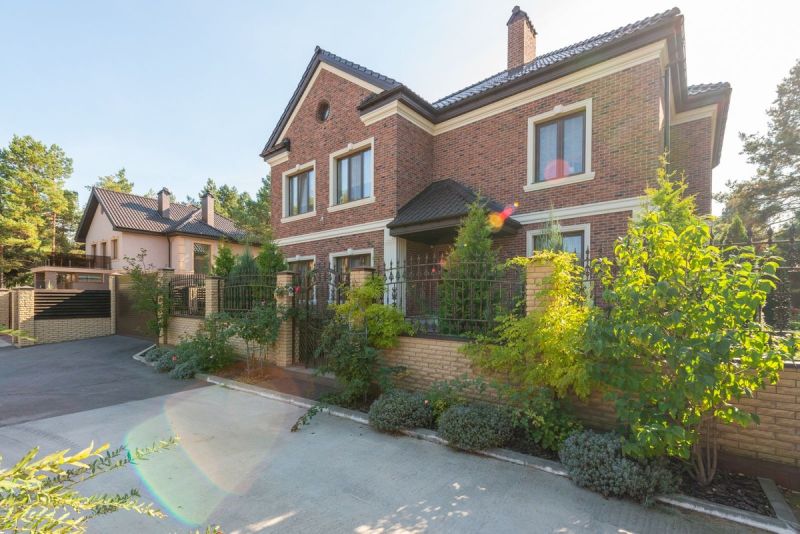
Visibility splays come first. You need adequate sight lines in both directions from a point set back from the carriageway, and the required distance increases with the speed of the road. Overgrown hedges, a high front wall or a neighbour's parked van in a permanent position can all cause a refusal.
Gradient is the one that bites around here. Newton Abbot is built across a set of hills, and streets in Wolborough, Highweek and the higher parts of Kingsteignton have real slopes. A crossing that would tip a car onto its underside, or one where a vehicle would roll back into the road, will not be approved. Devon typically wants the first stretch inside the boundary reasonably level before any steeper rise.
Space to stand a car is the third. The driveway needs to be long enough that a parked vehicle does not overhang the footway, which in practice means around 4.8 to 5.5 metres of depth inside the boundary. On the shallow-fronted Victorian terraces in central Newton Abbot, that is often the reason an application fails.
Then there is drainage. The crossing must not allow surface water to run from your property onto the highway. On the clay-heavy ground in parts of the Teign valley, that usually means a channel drain across the entrance connected to a soakaway inside the boundary.
What It Costs in 2026
Two separate costs sit here: the application and the construction.
- Devon County Council vehicle crossing application and inspection fees: £150 to £400
- Teignbridge planning application where required: householder application fee plus any drawings
- Standard dropped kerb construction, 3 to 4 metres wide: £1,100 to £2,200
- Wider crossing, 5 metres or more: £1,800 to £3,200
- Crossing with a verge to construct across: add £400 to £900
- Channel drain and connection at the entrance: £350 to £800
- Utility apparatus relocation, if required: £900 to £4,000 and occasionally much more
That last line is the one that ruins budgets. If there is a gas valve cover, a water stop tap, a BT chamber or a street light column in the footway where the crossing needs to go, it has to be moved or the crossing has to move. Relocation is quoted by the utility, not by us, and the lead times run to months rather than weeks. Check the footway before you plan the layout. Look for iron covers, plastic inspection lids and anything with a utility logo on it.
Who is allowed to build it
Work in the public highway has to be done by a contractor approved by Devon County Council with the relevant street works accreditation and insurance. A general landscaper cannot lawfully dig up the footway. The driveway inside your boundary is a different matter and anyone competent can build that.
The practical arrangement most people end up with is one contractor doing the driveway and an approved contractor doing the section from the kerb line to the boundary. Coordinating those two so the levels match is the part worth getting right, and it is much easier when both are arranged together.
How Long the Process Takes
Allow eight to sixteen weeks from application to a completed crossing in a straightforward case.
The highway application itself typically takes four to eight weeks for a decision. Add a planning application on a classified road and you are into the statutory eight week determination period, often running concurrently. Then there is scheduling the works, which needs a street works permit and a date the highway authority is content with.
If a utility relocation is involved, double the whole thing at least. We have seen crossings held up for six months waiting on a gas connection date.
The sensible sequence is: check the footway for apparatus, apply for the crossing, get the approval in writing, then book the driveway. Not the other way round.
Common Reasons Applications Get Refused
Insufficient visibility, usually because of a wall, hedge or bend in the road.
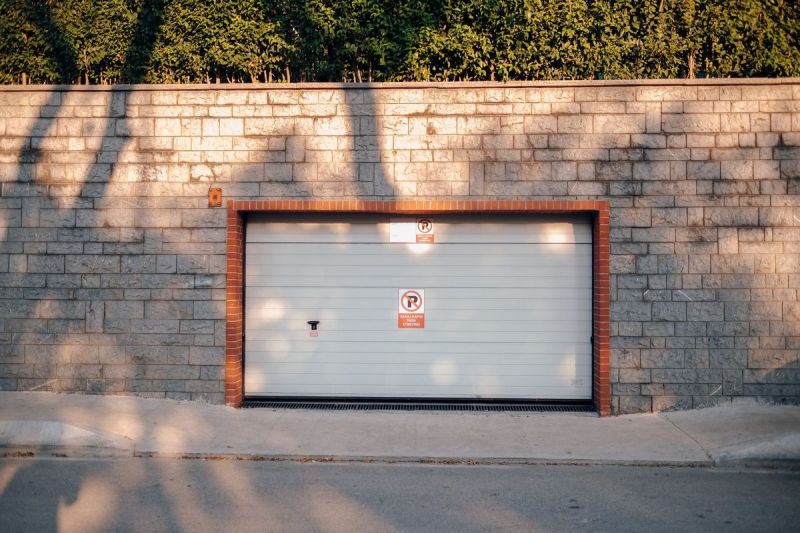
Not enough depth on the plot to park a car clear of the footway.
Proximity to a junction, a pedestrian crossing, a bus stop or traffic calming. Devon applies minimum distances and they are not negotiable.
Loss of a significant length of on-street parking on a street already under pressure, which comes up on some of the tighter roads in central Newton Abbot.
A protected tree in the way. Teignbridge has a number of Tree Preservation Orders, and if the crossing or the driveway would damage a protected tree's root protection area, the answer is no unless the design changes.
Most refusals are foreseeable from the pavement. If you are unsure, it costs nothing to have someone look before you spend money on a design.
Frequently Asked Questions
Can I just drive over the kerb until the dropped kerb is done?
No. Driving over a footway without a properly constructed vehicle crossing is an offence, and the highway authority can require you to pay for any damage caused to the kerb, footway or services beneath it. Enforcement is more common than people expect on residential streets in Teignbridge.

How much does a dropped kerb cost in Newton Abbot?
Most standard residential crossings come in between £1,100 and £2,200 for construction, plus £150 to £400 in application and inspection fees. Wider crossings, verges and drainage push it higher, and utility apparatus in the footway can add several thousand pounds if anything has to be relocated.
Do I need planning permission for a dropped kerb?
Only if you are creating a new access onto a classified road, meaning an A, B or C road. On an unclassified residential street the highway authority's approval is normally enough. The driveway surface itself has a separate requirement around permeability and drainage that applies either way.
Can I widen an existing dropped kerb?
Usually yes, subject to the same visibility, gradient and spacing checks as a new crossing, and it still needs an application. Widening is often approved more easily than a new access because the principle of the crossing is already accepted, but do not assume it is automatic.
You might also like
West County Driveways