Gravel Driveways in Totnes and Ashburton: Costs, Upkeep and Whether They Suit Devon
Gravel is the cheapest driveway surface you can lay and the one most often laid badly. Around Totnes and Ashburton it also happens to be the surface that suits the local character best - loose stone reads correctly outside a Dartmoor-edge cottage or a Totnes townhouse in a way that black tarmac does not. A gravel driveway here costs £45 to £80 per square metre installed, giving £1,400 to £3,000 for a single drive. But the version that lasts fifteen years and the version that turns into a rutted mud track within two winters cost almost the same to install. The difference is the sub-base, the edging, and whether a stabilising grid was used on the slope. Here is how to get the right one.
What a Gravel Driveway Costs in Totnes and Ashburton
Costs are fully installed, including excavation, sub-base, membrane, edging and the gravel itself.
Loose gravel over a compacted sub-base runs £45 to £80 per square metre. On a single driveway of 30 to 38 square metres that is £1,400 to £3,000. On a double of 60 to 75 square metres, £2,700 to £6,000.
Gravel over a plastic stabilising grid, which is the specification most South Devon sites actually need, runs £70 to £115 per square metre. Single drive £2,100 to £4,400, double £4,200 to £8,600.
Resin bonded gravel, where a single layer of stone is glued to a solid base, is a different product entirely at £90 to £140 per square metre. It looks like gravel and behaves like a hard surface, but it is not permeable and does not have gravel's forgiving quality.
The gravel itself is a small part of it. A 20mm decorative aggregate costs £75 to £160 per tonne delivered, and a 35 square metre drive at 50mm depth needs about 3 tonnes, so £225 to £480 of stone in a £2,500 job. Everything else is groundwork. West County Driveways prices the construction rather than the stone, which is why our quotes specify depth rather than just colour.
Why Slopes Change Everything Around Here
Totnes runs steeply up from the Dart, and Ashburton sits on the edge of Dartmoor where almost nothing is level. A meaningful share of driveways in both towns sit on a gradient, and gravel behaves badly on a slope without help.
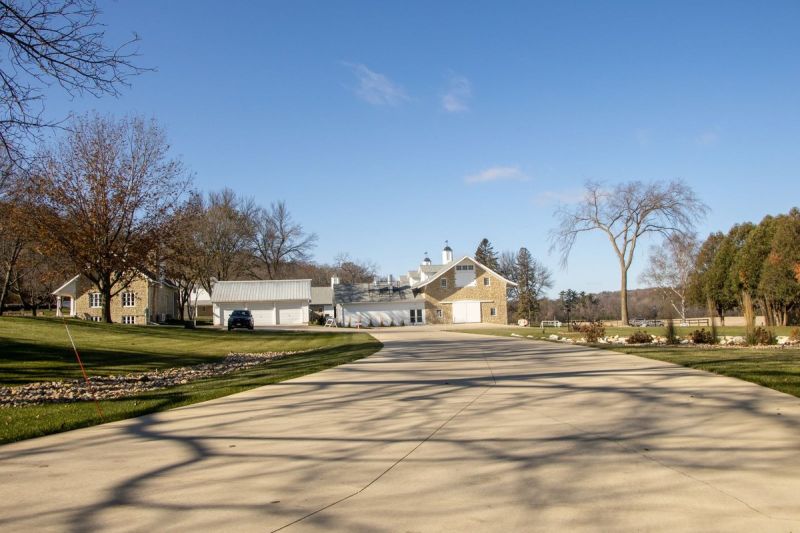
Loose gravel starts migrating downhill at around 1 in 12, and by 1 in 8 it moves visibly after every heavy rain. What you get is a bare patch at the top of the drive, a ridge of stone at the bottom, and gravel washed into the road.
Stabilising grids solve it. These are interlocking plastic cellular panels laid over the sub-base and filled with gravel, so each cell holds its stone in place. They cost £18 to £35 per square metre supplied and laid, and they also stop rutting under wheel tracks on the flat. On any Totnes or Ashburton driveway above about 1 in 12, a grid is not an upgrade - it is what makes gravel viable at all.
Grids have a second benefit worth knowing. Because the gravel sits within cells rather than as a loose layer, the depth of stone can drop from 50mm to 30mm, which offsets part of the grid cost and makes the surface far easier to walk on in heels or push a pram over.
Where Gravel Simply Does Not Work
Above about 1 in 6, even a grid struggles and the sensible answer is resin bound or a properly laid tarmac with a textured surface. And where a driveway falls towards the house, gravel plus a South Devon downpour delivers stone and water to the front door. Both are worth being told honestly at quote stage rather than discovering in November.
Dartmoor Rainfall and Drainage
Ashburton sits at the eastern edge of Dartmoor and records roughly 1,100 to 1,400 mm of rain a year depending on how far up the moor edge you are, against about 900 to 1,000 mm at Totnes and closer to 830 for England as a whole. The rain also arrives in heavier Atlantic frontal bursts rather than steady drizzle.
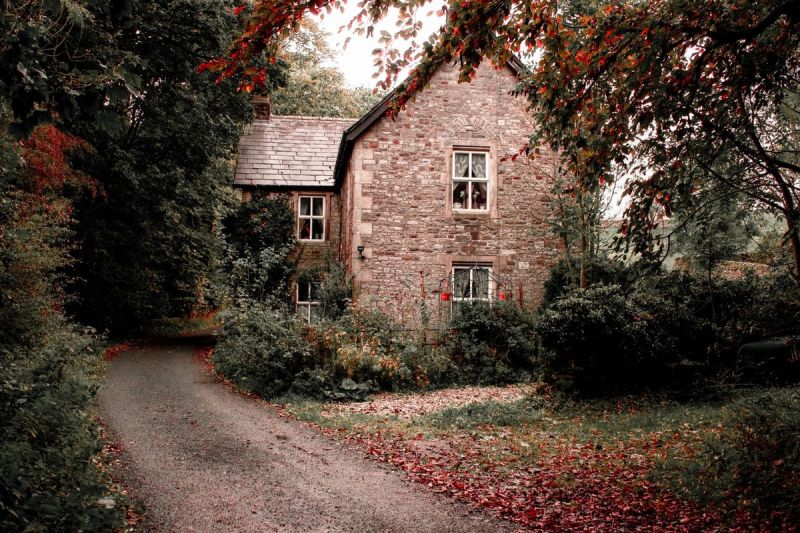
That volume is actually gravel's strongest argument. A properly built gravel driveway over an open-graded sub-base is fully permeable, so it absorbs rainfall rather than shedding it to the highway. That means no planning permission requirement, no soakaway to design, and no channel drain across the threshold.
The rules matter here: since 2008, laying more than five square metres of impermeable hard surface in a front garden needs planning permission unless the water drains within the property. The Planning Portal's guidance on paving front gardens sets it out, and gravel sidesteps the whole issue.
The catch is that permeability depends on the sub-base being open-graded and the subgrade being able to take the water. On the heavier clay soils around Totnes, water can pass through the gravel and then sit on the clay beneath, saturating the sub-base. On those sites the construction needs a deeper sub-base and often a connection to a drain, which brings back some of the cost gravel was supposed to save.
The Construction That Decides Whether It Lasts
Four layers, and skipping any of them is where failure comes from.
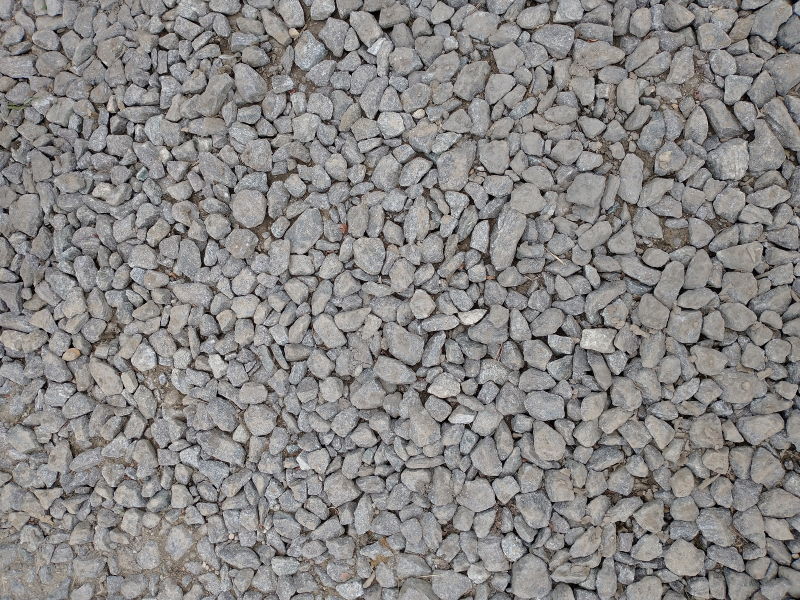
Excavation to 200 to 250mm below finished level. On the clay soils around Totnes and the Dart valley, closer to 250mm.
A geotextile membrane laid on the subgrade. This does two jobs: it stops the clay pumping up into the stone under wheel loading, and it stops weeds coming through from below. It costs £2 to £4 per square metre and it is the item most often omitted.
150 to 200mm of compacted MOT Type 1 or a clean angular sub-base, laid in two layers rather than one pass. This is what carries the vehicle load. A driveway with gravel tipped straight onto membrane over soil will rut in the first winter, and no amount of extra gravel fixes it.
Then 30mm of gravel in a grid, or 50mm loose, over the top.
Edging on every free edge is the fifth requirement. Without it the gravel simply migrates outwards into the borders and the road. Timber, steel or block edging costs £15 to £35 per linear metre.
Choosing the Stone
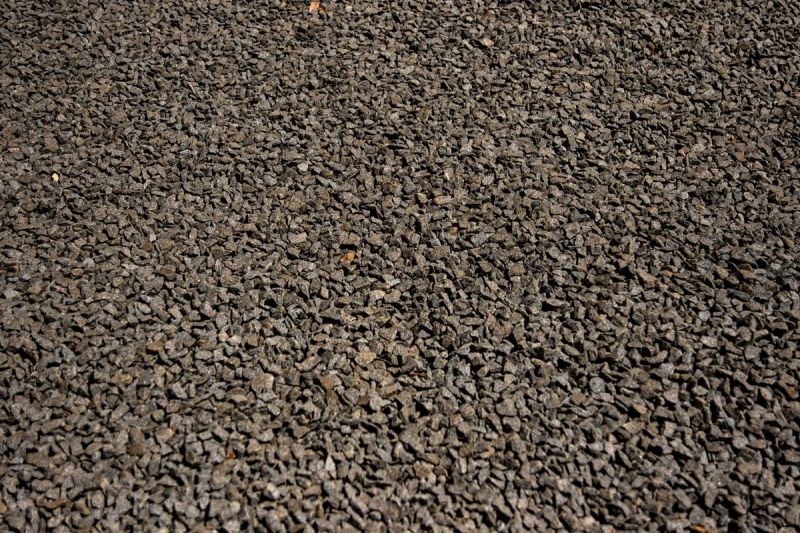
Angular gravel locks together and stays put. Rounded pea shingle rolls under tyres and feet and migrates constantly, and it is the single most common wrong choice.
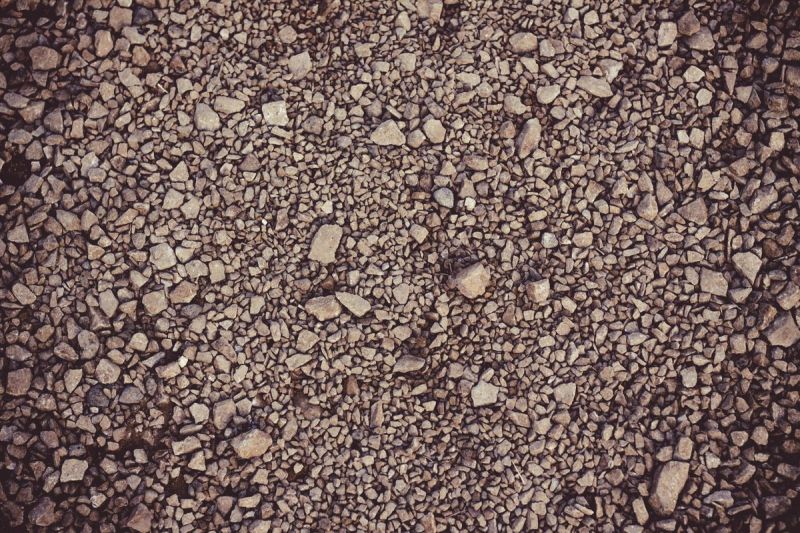
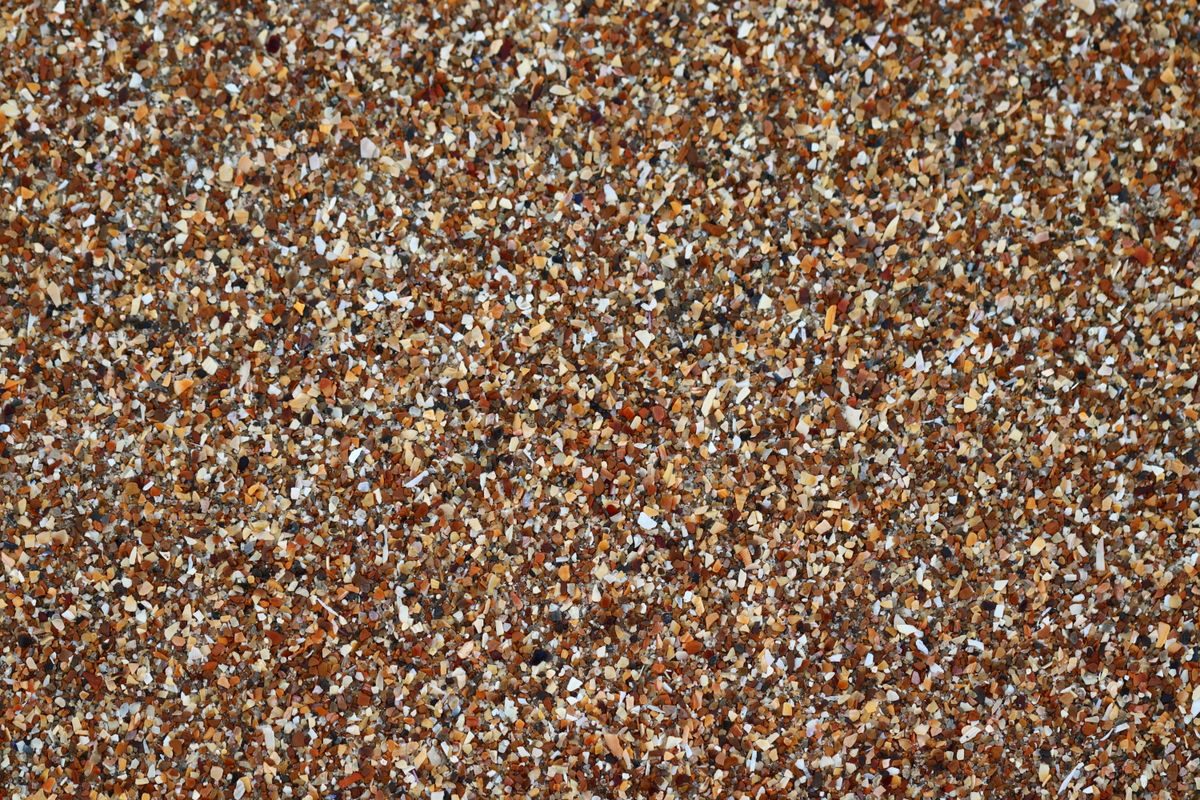
For South Devon, 14mm to 20mm angular is the right size range. Below 10mm the stone gets carried into the house on shoes and picked up by tyres; above 25mm it is uncomfortable to walk on and awkward to sweep.
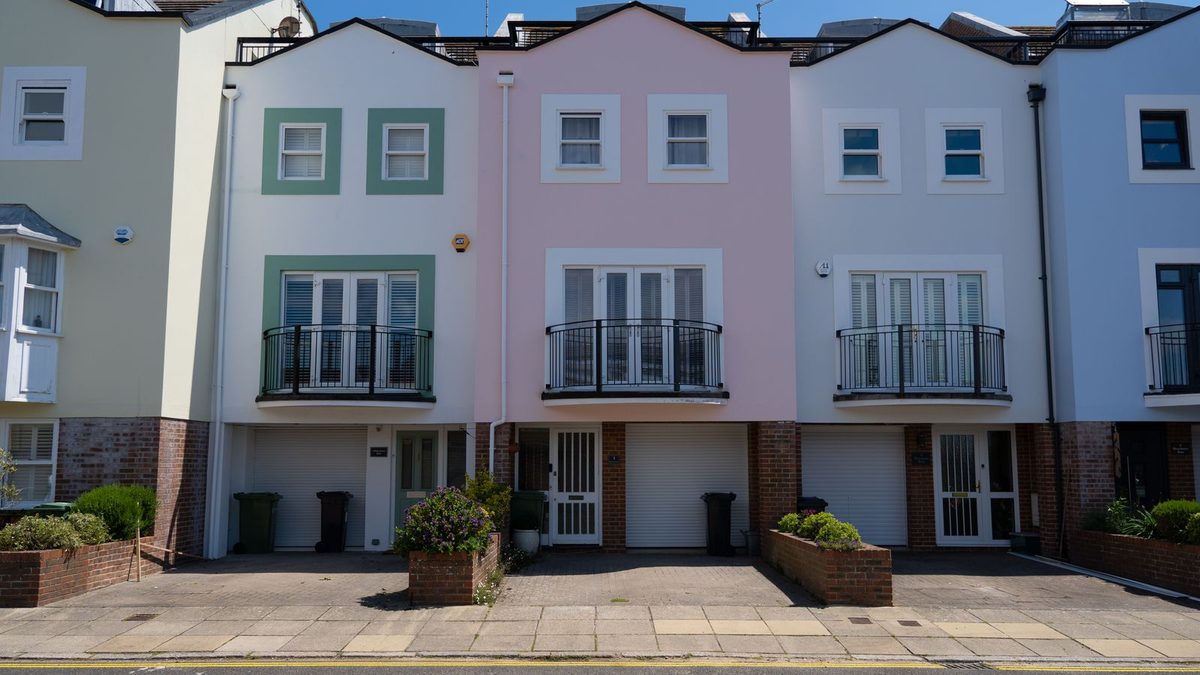
Local stone reads best against local buildings. A Devon slate chipping or a warm gold gravel suits the granite, cob and rendered stone of Ashburton and the painted townhouses of Totnes far better than a bright white marble chip, which looks stark and shows algae badly in this climate. Flint and quartz-heavy aggregates go green quickly in a wet mild climate.
Cost varies by stone rather than size: locally sourced limestone or slate chippings £75 to £120 per tonne delivered, decorative granites and speciality aggregates £120 to £200.
Maintenance: Honest About What It Needs
Gravel is low cost and low skill to maintain, but it is not no-maintenance, and this is where expectations go wrong.
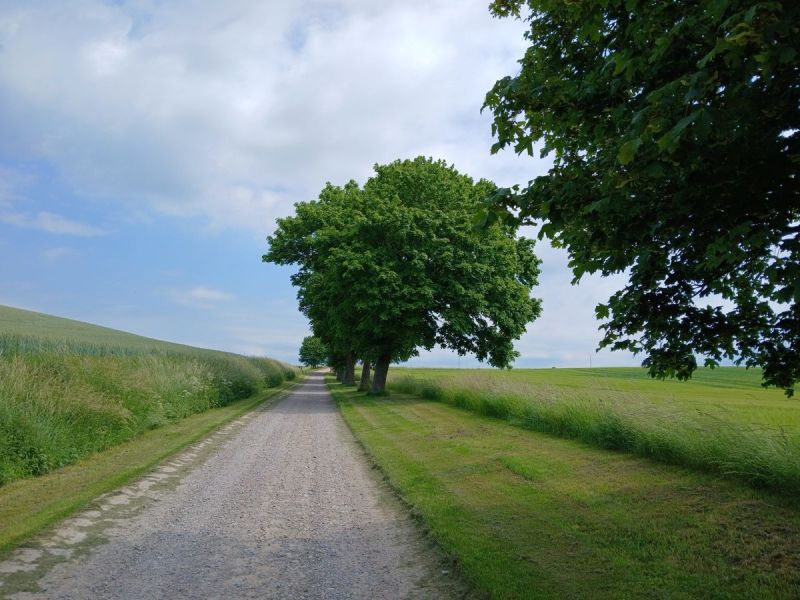
Raking is the routine job. Wheel tracks form ruts and the stone piles at the edges, and a rake once a month keeps it even. A grid-stabilised driveway needs this far less, which is a real quality-of-life difference.
Topping up is needed every three to five years on a loose gravel drive, because stone migrates, gets carried away on tyres and works down into the sub-base. One tonne, at £75 to £200 delivered, covers roughly 12 to 15 square metres at 50mm. Grid-stabilised drives lose far less and typically need topping every eight to ten years.
Weeds come from seed landing on top, not from below if the membrane is right. A residual treatment once or twice a year handles it, and in Devon's mild wet growing conditions expect to do it twice.
Leaves are the Devon-specific one. Both towns have a lot of mature tree cover, and leaf litter sitting on gravel over winter rots down into an organic layer that holds moisture and grows moss and weeds. Blowing or raking leaves off in autumn is worth the twenty minutes.
When Gravel Is the Right Answer, and When It Is Not
Gravel is the right choice for a long rural or semi-rural drive where hard surfacing the whole length would be prohibitive, for a property where the loose-stone character genuinely suits the building, for a site where permeability and planning are a concern, and where budget is the deciding factor.
It is the wrong choice on a steep slope without a grid, on a driveway that falls towards the house, for anyone with mobility difficulties or who uses a wheelchair, where a caravan or trailer will be manoeuvred regularly, or where the property fronts directly onto a busy pavement and migrating stone becomes a hazard to others.
For those cases, resin bound at £95 to £160 per square metre gives the appearance of gravel with a bound surface, and it is fully permeable. We compare the surfaces directly for a sloping site in our guide to sloped driveways in Totnes.
On contractor choice, check public liability of at least £2 million and ask for the certificate. Ask specifically about excavation depth, sub-base depth, and whether a membrane and edging are included, because a gravel quote that just says "supply and lay gravel driveway" is telling you nothing about the part that matters. Membership of TrustMark adds a vetted layer with financial protection on the work.
Frequently Asked Questions
How much does a gravel driveway cost in Totnes or Ashburton?
Loose gravel over a compacted sub-base runs £45 to £80 per square metre, so £1,400 to £3,000 for a single driveway. Gravel over a stabilising grid, which most South Devon sites need, costs £70 to £115 per square metre, giving £2,100 to £4,400. The stone itself is only £225 to £480 of that; the rest is groundwork.
Will gravel stay put on a sloping Devon driveway?
Not without help. Loose gravel starts migrating downhill at around 1 in 12 and moves visibly after heavy rain by 1 in 8. A plastic stabilising grid at £18 to £35 per square metre holds the stone in cells and solves it, and also lets you use 30mm of gravel instead of 50mm. Above about 1 in 6, resin bound or tarmac is the better answer.
Do I need planning permission for a gravel driveway?
Generally no. A properly built gravel driveway over an open-graded sub-base is permeable, so it falls outside the requirement that applies to more than five square metres of impermeable surface draining onto the highway. On heavy clay, check that water can actually soak away rather than sitting on the subgrade.
How often does gravel need topping up?
Every three to five years on a loose gravel driveway, because stone migrates and works down into the sub-base. One tonne at £75 to £200 covers roughly 12 to 15 square metres at 50mm depth. A grid-stabilised driveway loses far less and typically needs topping only every eight to ten years.
You might also like
West County Driveways