Block Paving Driveway Costs in Newton Abbot: A 2026 Price Guide
Block paving remains the most popular driveway surface in South Devon, and it is also the one where the gap between a good installation and a poor one is widest. Two Newton Abbot driveways laid the same week with the same blocks can look entirely different five years later, and the difference is almost never the paving - it is the 200mm of construction underneath that nobody sees. Block paving in the area runs £85 to £145 per square metre installed in 2026, giving £2,600 to £5,600 for a single driveway and £5,000 to £10,500 for a double. This guide breaks down where that money goes, what South Devon's ground and rainfall demand, and the six things a quote must specify.
What Block Paving Costs in Newton Abbot in 2026
Prices are fully installed, including excavation, sub-base, edging, laying course, blocks, jointing sand and compaction.
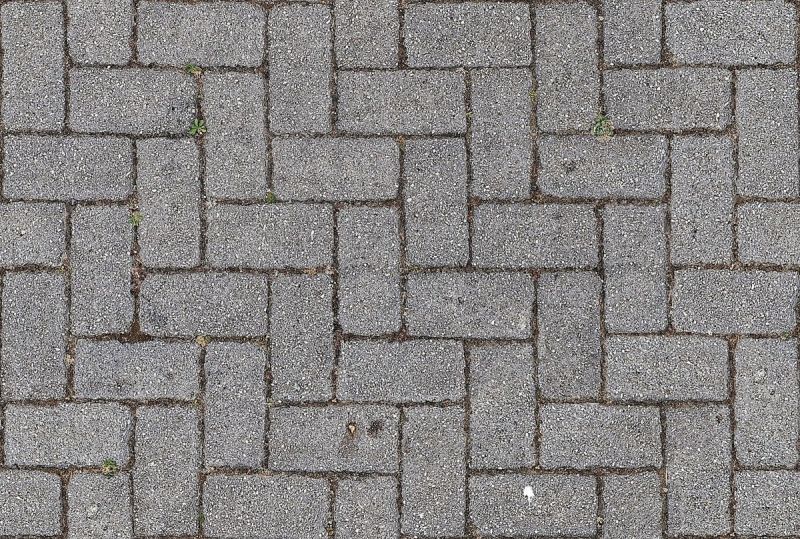
Standard concrete blocks, 50mm thick in a herringbone or stretcher bond, run £85 to £115 per square metre. That covers the majority of domestic driveways in the area.
Permeable concrete blocks, which are laid with wider joints over an open-graded sub-base to allow water through, run £105 to £145 per square metre. The blocks themselves are only slightly dearer; the extra cost is in the different sub-base construction.
Clay pavers, which hold their colour far better than concrete over decades, cost £120 to £180 per square metre. Natural stone setts run £150 to £260.
On a typical single driveway of 30 to 38 square metres: standard concrete £2,600 to £4,400, permeable £3,200 to £5,600. On a double of 60 to 75 square metres: standard £5,000 to £8,600, permeable £6,300 to £10,900.
Add for extras. Breaking out and removing an existing concrete or tarmac surface is £15 to £30 per square metre. A dropped kerb costs £900 to £2,000. A channel drain across the threshold is £120 to £220 per linear metre. Circle features and complex cutting add £15 to £40 per square metre over the affected area. West County Driveways surveys the ground before quoting, because on South Devon clay the sub-base requirement is the single biggest variable in the price.
Where the Money Actually Goes
A useful breakdown for a standard 35 square metre Newton Abbot driveway at around £3,500.
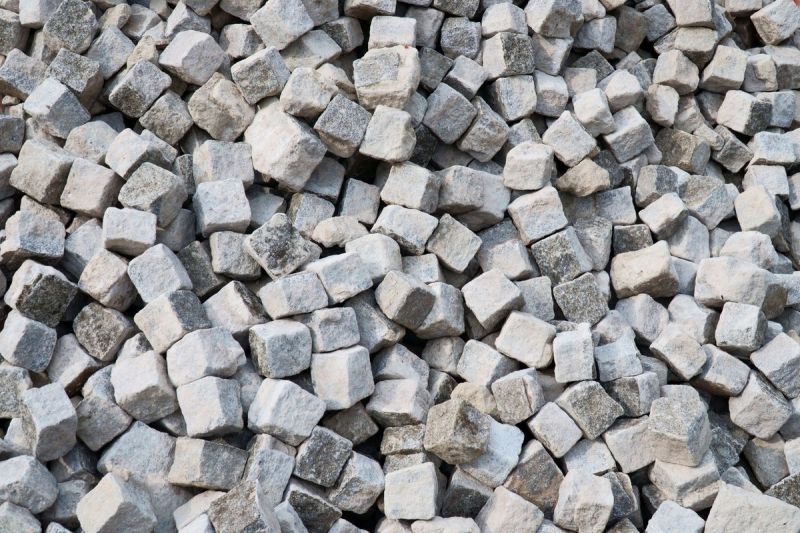
Excavation and disposal of spoil is roughly 15%. A 35 square metre drive excavated to 250mm generates about 9 cubic metres of material, which is 14 to 16 tonnes to remove and tip.
Sub-base material and compaction is another 20%. That is the MOT Type 1 crushed stone, laid and compacted in layers.
Blocks and laying course sand together are around 25%. Edge restraints, jointing sand and sundries are 5%.
Labour is the remaining 35%, and a two-person team takes four to seven days on a driveway this size depending on the cutting involved.
Notice what that means: the visible blocks are a quarter of the cost. A quote that is £900 cheaper than the others has almost certainly saved that money on excavation depth or sub-base thickness, because there is nowhere else to take it from.
South Devon Ground: Why the Sub-Base Matters Here
Newton Abbot and the surrounding villages sit largely on Devonian mudstones and shales with clay-rich soils, and the Teign valley floor has areas of alluvial deposits that are softer still.
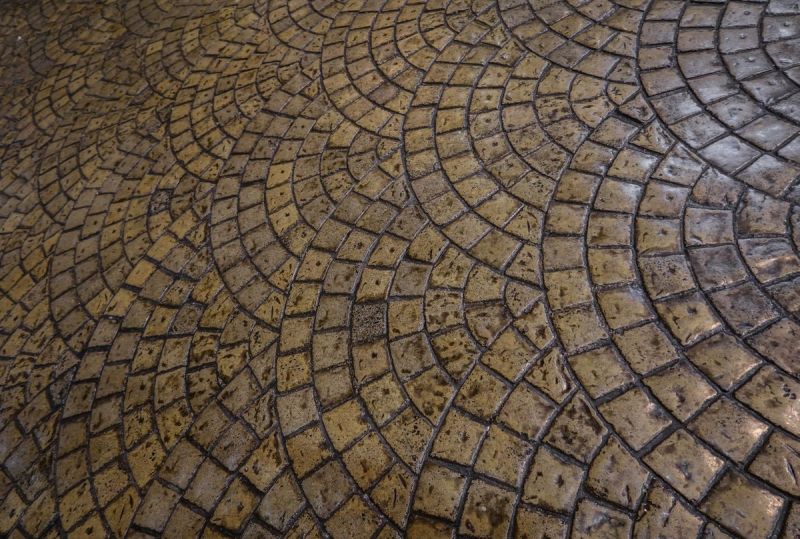
Clay does two things to a driveway. It holds water rather than draining it, so the sub-base stays saturated through a South Devon winter. And it moves seasonally, shrinking as it dries in summer and swelling as it wets in winter, with vertical movement of 20 to 40mm in extreme cases.
The construction response is specific. Excavate to 250mm below finished level rather than 150mm. Lay a geotextile separation membrane directly on the subgrade, which stops the clay pumping up into the stone under traffic loading - this single layer, costing £2 to £4 per square metre, is the most cost-effective item in the whole build-up and it is routinely omitted. Then 200mm of MOT Type 1 compacted in two layers of 100mm rather than one pass, followed by 30 to 40mm of sharp sand laying course.
A quote specifying a 100mm sub-base on Newton Abbot clay is quoting a driveway that will rut and settle within three to five years. Ask the depth in writing.
Edge Restraint Is Not Optional
Block paving works by interlock. Each block transfers load to its neighbours, and that only works if the whole field is held in compression by a rigid edge. Without a haunched concrete edge restraint on every free edge, the outer blocks creep, the joints open, and the failure works inwards from the perimeter. Proper edging adds £18 to £35 per linear metre and it is the second most commonly cut corner after the sub-base.
Rainfall, Drainage and the Planning Rule
Newton Abbot records roughly 900 to 1,000 mm of rain a year across about 150 wet days, considerably wetter than the England average of around 830 mm. South Devon also gets a meaningful share of that rainfall in intense Atlantic frontal events rather than steady drizzle.
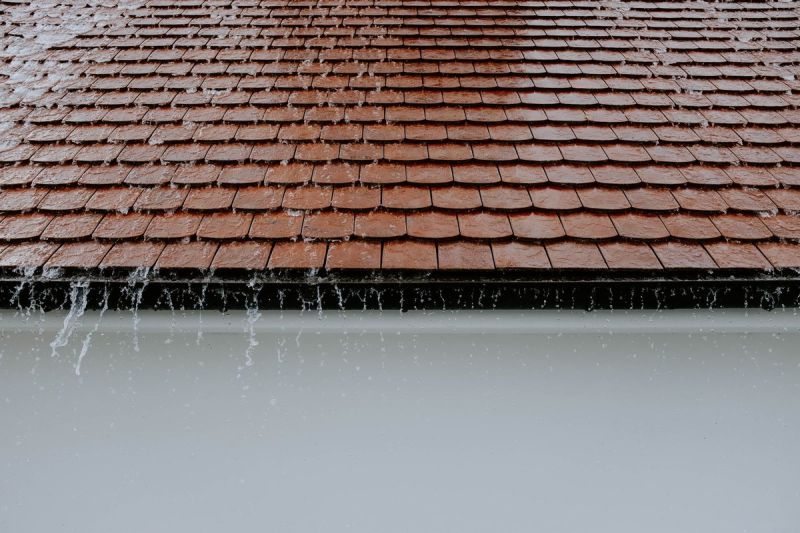
That volume of water has to go somewhere, and since 2008 the rules say it cannot simply run onto the highway. Laying more than five square metres of impermeable hard surface in a front garden needs planning permission unless the water drains to a permeable area within the property.
Three compliant approaches. Use permeable block paving over an open-graded sub-base, which lets water through the joints and into the ground - this is the cleanest solution and it is why permeable is worth the extra £20 to £30 per square metre in this climate. Or direct run-off to a soakaway within the property, though on clay a soakaway needs to be considerably larger and may not work at all. Or fall the driveway to a lawn or planted border that can absorb it.
The rules are set out on the Planning Portal's guidance on paving front gardens. A dropped kerb is a separate application through Devon County Council highways, costing £900 to £2,000 including works.
Where a driveway falls towards the house, which is common on the sloping plots around Wolborough and Highweek, a channel drain across the threshold is essential rather than optional. Budget £120 to £220 per linear metre installed and connected.
Blocks, Colours and What Ages Well in Devon
Concrete blocks are pigmented through part of their depth, and the colour fades with UV exposure and weathering. In a wet, mild climate like South Devon the more noticeable change is biological rather than chemical - algae and moss growth on the surface within two to four years, which flattens the colour and darkens the whole driveway.
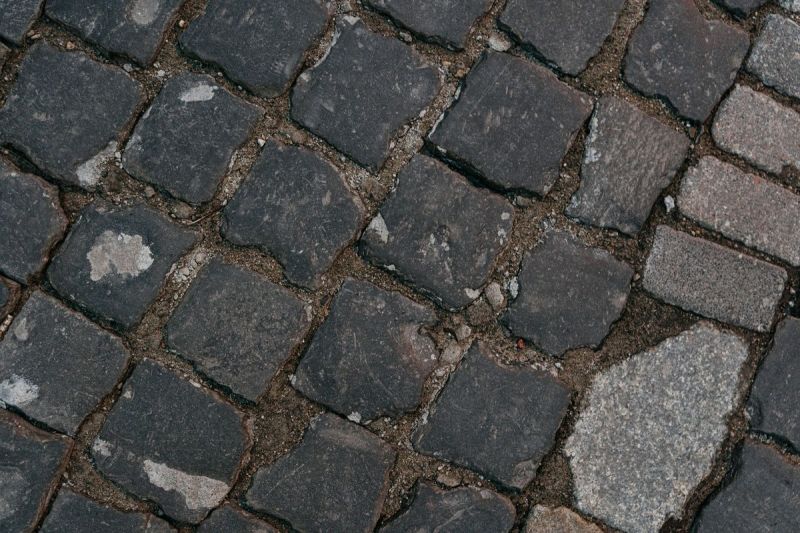
That has a practical implication for colour choice. Very light blocks - buff, silver grey, cream - show algae and oil staining most, and they will need cleaning every two to three years to keep looking as they did. Mid-tone charcoals, brindles and autumn mixes hide it far better and age more gracefully in this climate.
Clay pavers are worth mentioning as an upgrade. The colour is fired through the whole body rather than pigmented into a surface layer, so it does not fade at all. They cost £120 to £180 per square metre against £85 to £115 for concrete, and on a 35 square metre driveway that is £1,200 to £2,300 more. On a property you intend to keep for twenty years, it is a defensible spend.
Block thickness matters for load. 50mm blocks are correct for domestic driveways carrying cars. 60mm blocks are needed for anything taking regular commercial vehicle traffic or a caravan. Do not accept 50mm on an area where a delivery lorry will turn.
Maintenance and Realistic Lifespan
A properly constructed block paved driveway in Newton Abbot lasts 20 to 30 years before the surface needs lifting and relaying. The blocks themselves outlast that; it is the jointing sand and the levels that go.
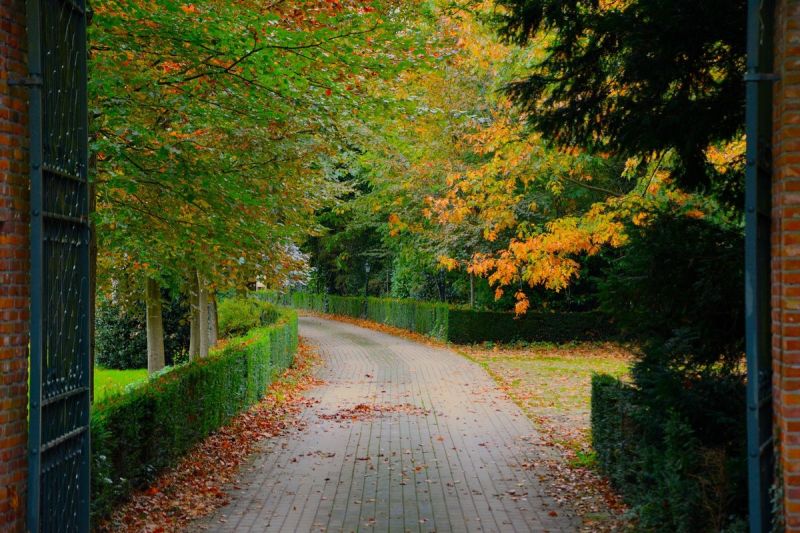
Annual maintenance is light. Sweep and keep the joints topped up with kiln-dried sand, because empty joints let blocks move and let weeds in. Treat moss and algae with a proprietary cleaner rather than a pressure washer set high - a strong washer blasts out the jointing sand, which is precisely what holds the surface together, and re-sanding a whole driveway is a half-day job.
Weed growth comes from seed landing in the joints from above, not from below through the membrane. Polymeric or resin jointing sand costs £8 to £16 per square metre more and largely stops it, and it is worth considering on a driveway under trees.
Oil stains need dealing with promptly. Blocks are porous and a fresh spill lifts with a degreaser, where one left for a month may need the affected blocks lifting and swapping with spares from an inconspicuous area - which is why keeping a box of spare blocks after installation is a genuinely useful thing to do.
We compare the surface options side by side in our guide to tarmac vs block paving driveways in Newton Abbot, which sets out where each one makes more sense.
Six Things a Quote Must Specify
Ask every contractor to put these in writing, and compare on them rather than on the headline price.
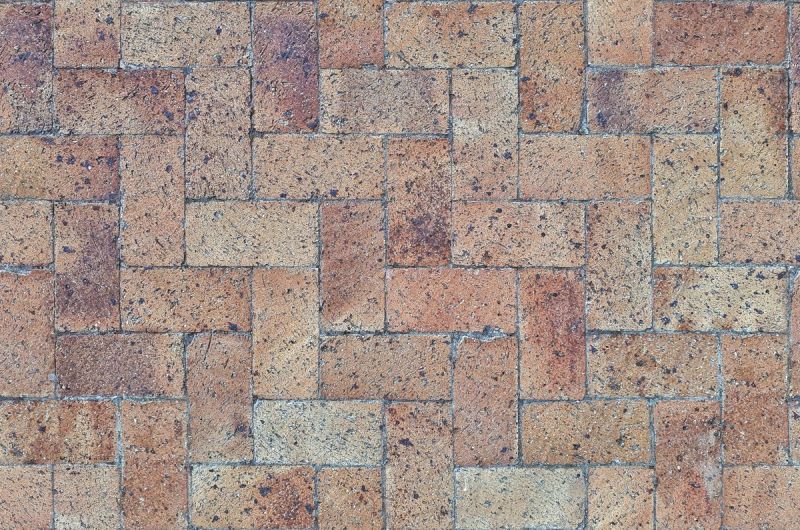
The excavation depth below finished level. The sub-base material and its compacted depth, in layers. Whether a geotextile separation membrane is included. The edge restraint detail and whether it is haunched in concrete. How surface water will be managed and whether that satisfies permitted development. And the block make, model, thickness and colour, so you are comparing the same product.
Then ask what they found when they dug a trial hole. A contractor who has excavated a test pit knows what the ground is; one who has not is estimating, and on South Devon clay that estimate is usually optimistic.
Check public liability of at least £2 million and ask to see the certificate. Membership of a body such as TrustMark or the Federation of Master Builders adds a vetted layer, and TrustMark registration requires financial protection on the work. Ask about the guarantee length and whether it is insurance-backed, because a ten-year guarantee from a firm that stops trading is worth nothing.
Frequently Asked Questions
How much does a block paving driveway cost in Newton Abbot?
Standard concrete blocks run £85 to £115 per square metre installed, giving £2,600 to £4,400 for a single driveway of 30 to 38 square metres and £5,000 to £8,600 for a double. Permeable block paving costs £105 to £145 per square metre, and clay pavers £120 to £180. Removing an existing surface adds £15 to £30 per square metre.

Why does a Newton Abbot driveway need a deeper sub-base?
Because South Devon soils are clay-rich, hold water through a wet winter and move seasonally. On clay the correct build-up is 250mm excavation, a geotextile separation membrane, and 200mm of MOT Type 1 compacted in two layers, rather than the 100 to 150mm sometimes quoted. Skipping that means rutting and settlement within three to five years.
Do I need planning permission for block paving in Newton Abbot?
You do if you are laying more than five square metres of impermeable surface in a front garden that drains onto the highway. Permeable block paving over an open-graded sub-base avoids the requirement, as does directing run-off to a soakaway or a border within your property. A dropped kerb is a separate application through Devon County Council highways.
How long does block paving last in South Devon?
A properly constructed driveway lasts 20 to 30 years before the surface needs lifting and relaying. The blocks outlast that; it is the jointing sand and the levels that go first. Keep the joints topped up with kiln-dried sand, treat moss with a cleaner rather than a high-pressure washer, and deal with oil stains promptly.
You might also like
West County Driveways